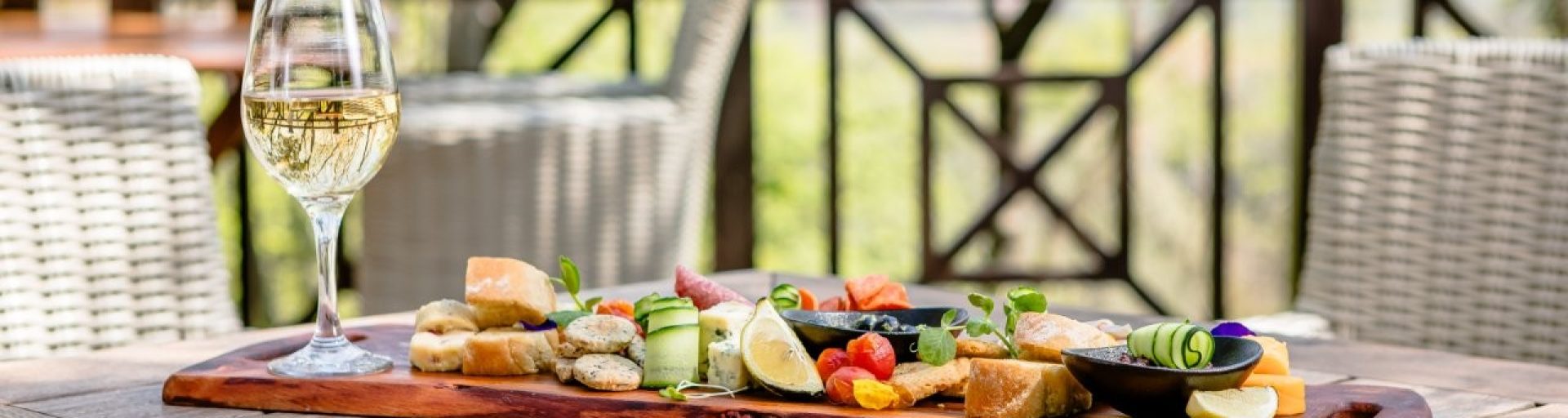
What if South Africa’s next great culinary experience begins not in an imported recipe book, but in the mountains, gardens and indigenous ingredients right on our doorstep? At Mount Grace Hotel & Spa, the Magaliesberg is becoming more than a beautiful backdrop. It is the inspiration behind a new chapter in South African dining.
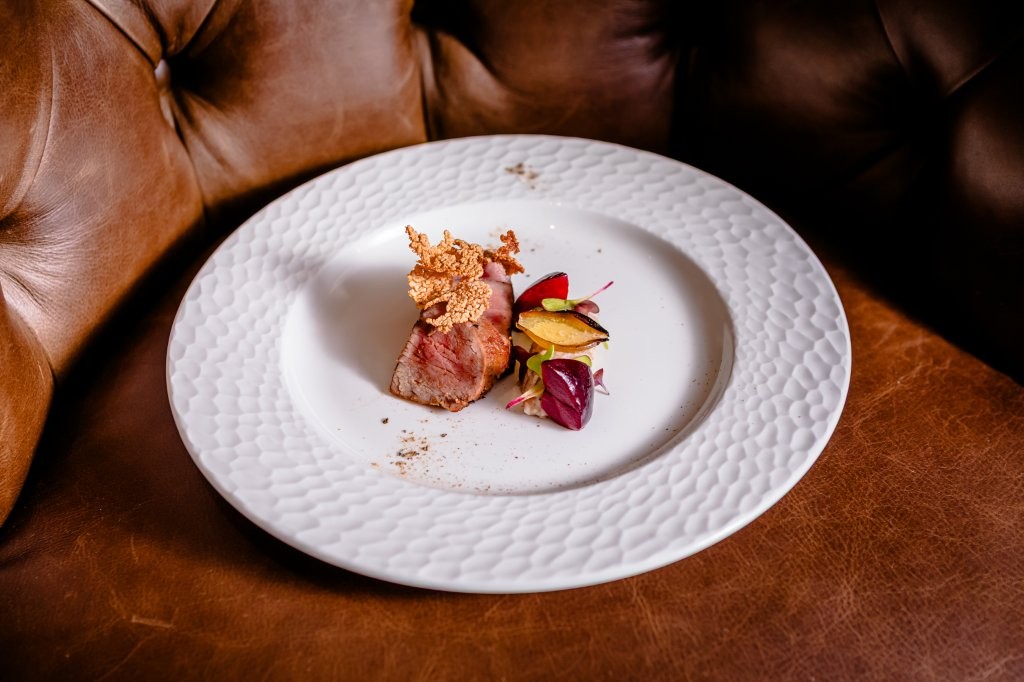
From the Mountain to the Menu
South Africa‘s food culture has always been about more than what ends up on the plate. It carries memories, family traditions, regional identities and the creativity of people who know how to make something extraordinary from what they have.
At Mount Grace Hotel & Spa in the Magaliesberg, Executive Chef Pieter Malan is bringing that philosophy into the spotlight.
Returning to the property in March 2026, where he once worked as a student, Malan has spent two years studying the region’s natural ingredients and exploring how they can shape a distinctly local dining experience. The result is a refreshed collection of menus, spanning high tea to fine dining, that celebrates the relationship between food, place and heritage.
His approach challenges the idea that luxury dining needs to look beyond South Africa for inspiration. Instead, it asks a more interesting question: what can we create with what is already growing around us?
Indigenous Ingredients, Reimagined
From wild garlic and amadumbe to prickly pears, lavender, aloe and imphepho, the Magaliesberg’s natural landscape is influencing how the kitchen sources, prepares and presents its food.
According to the hotel, approximately 80% of its ingredients are indigenous and either foraged or sourced within a 60km radius. Local partnerships include Van Gaalen Cheese in Hartbeespoort and family-run ice cream and gelato producer Bambini.
This isn’t simply about buying local. It is about understanding the seasons, respecting the environment and finding inventive ways to preserve ingredients when nature moves on.
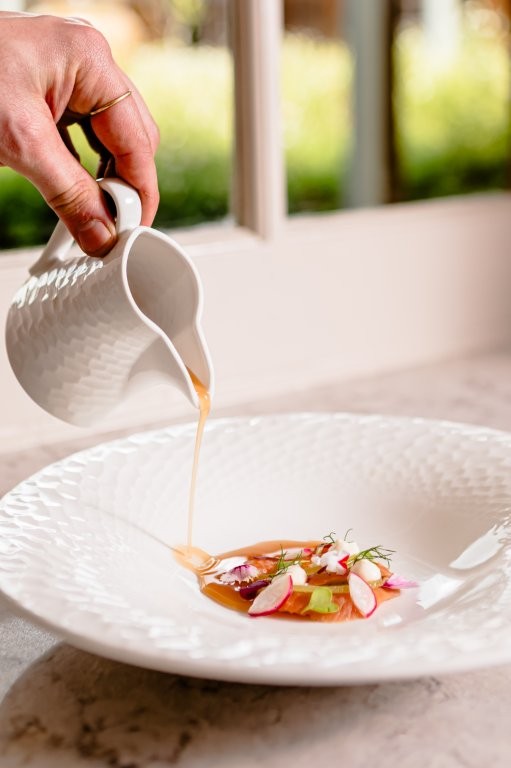
The kitchen uses fermentation and preservation to extend the life of seasonal produce, bringing traditional techniques into a contemporary culinary setting. Its homemade hibiscus kombucha, for example, combines hibiscus from a neighbouring farm and local honey with botanicals including foraged confetti bush, lavender and aloe.
The drink’s flavours are even carried into a reduction served with locally sourced tilapia on the Rambling Vine menu.
It’s an approach that gives familiar ingredients new possibilities while placing local producers and the natural environment at the centre of the experience.
Responsible foraging also matters. The team gathers ingredients by hand and turns the soil afterwards to support natural regeneration, recognising that a distinctive menu depends on protecting the landscape that makes it possible.
South African Comfort Food Gets a Fine-Dining Twist
At Rambling Vine, the hotel’s concept dining restaurant, the seven-course tasting menu brings together South African culinary traditions, nostalgic flavours and contemporary presentation.
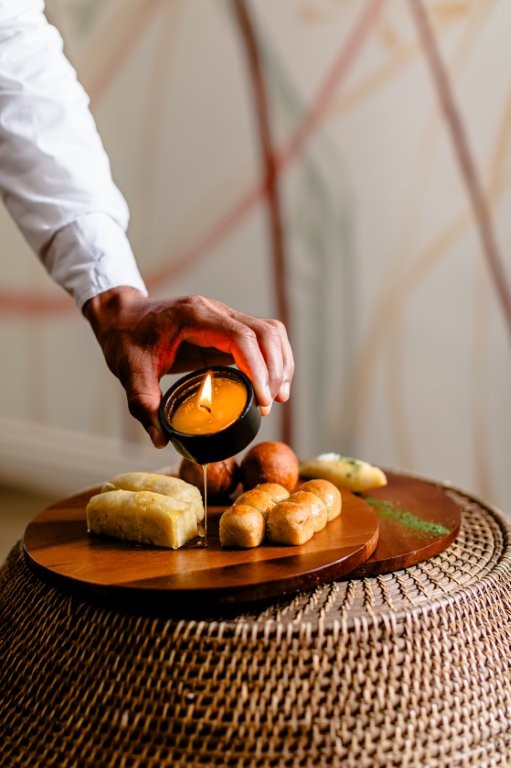
Guests begin with cellar-served canapés, including amadumbe soup with wild garlic oil and fermented prickly pear. The bread service features dombolo, amagwinya and mosbolletjies, accompanied by a candle made from boerewors lard for dipping.
Later, sorghum, one of the country’s oldest staple grains, becomes a risotto served with braised oxtail, with sorghum popcorn adding texture.
These dishes draw on ingredients and food traditions that many South Africans recognise, giving them a different context without losing their cultural connection.
That balance is important. As local cuisine gains new visibility in premium dining spaces, the opportunity lies in celebrating South African food on its own terms rather than treating heritage ingredients as novelties.
The Next Generation Is Part of the Story
Malan’s return is also a reunion. Chef Edwin Theron, his former fellow competitor on kykNET’s Kokkedoor, has joined the kitchen team and works alongside him on the concept dining experience.
But the bigger story may be the young cooks being given a role beyond preparing dishes.
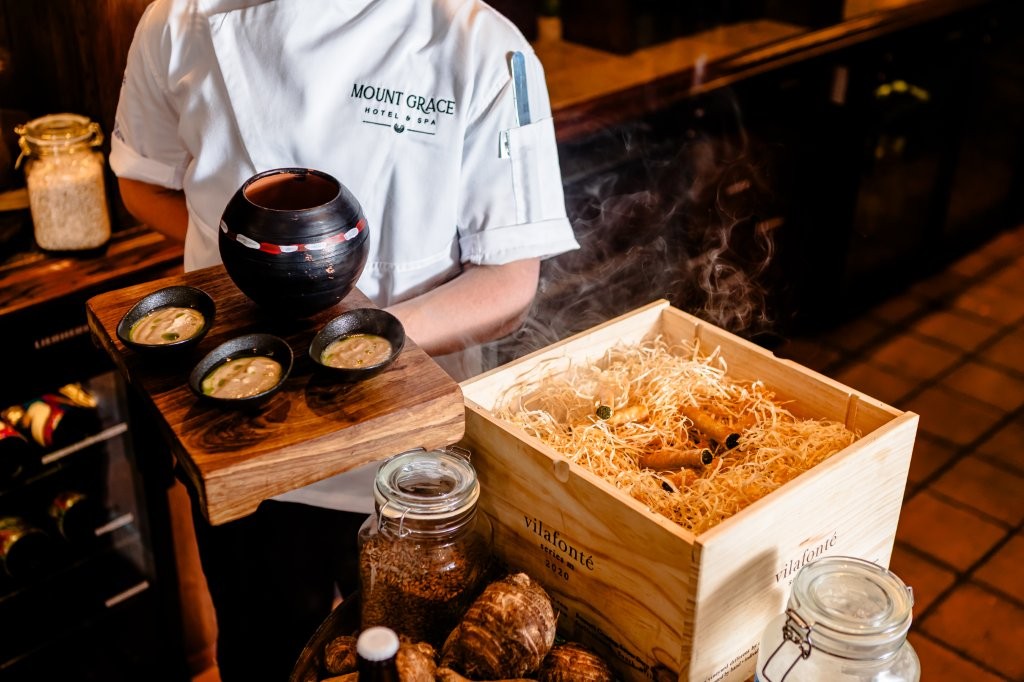
At Rambling Vine, members of the culinary team present each course and its wine, explaining the ingredients, preparation methods and stories behind the food. This puts the people developing the menu in direct conversation with guests.
It also creates an opportunity for emerging chefs to build confidence, deepen their knowledge of local ingredients and take ownership of the culinary traditions they will carry forward.
In an industry where a restaurant’s identity can become closely associated with one celebrated chef, a team-led approach offers a different vision: one where knowledge is shared and creativity grows collectively.
A Refreshed Escape in the Magaliesberg
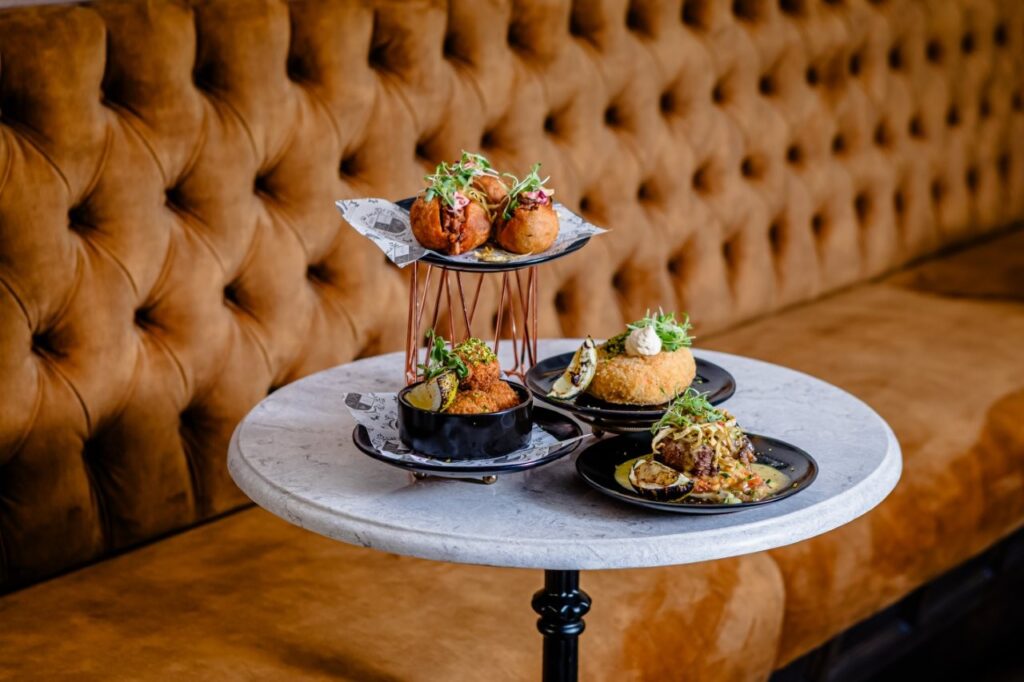
The culinary transformation arrives alongside a refurbishment of all 121 rooms, reception, the lounge, Rambling Vine and the 1852 Heritage Bar.
Earthy tones, sage accents, natural wood and fireplaces connect the interiors with the surrounding gardens and mountains. Twenty-six suites also feature private heated pools.
For visitors looking to escape the city’s pace, Mount Grace offers several ways to experience the property, from a weekend centred on its seven-course dinner to a day of spa treatments and seasonal high tea.
The wider appeal, however, goes beyond a change of scenery or a luxury getaway. It is an invitation to experience the Magaliesberg through the ingredients, people and traditions that give the region its character.
By putting indigenous produce, local partnerships and young culinary talent at the centre of its offering, Mount Grace is making a case for a more rooted form of luxury.
Sometimes, the most compelling food stories aren’t imported from somewhere else. They’re already growing in our own backyard.