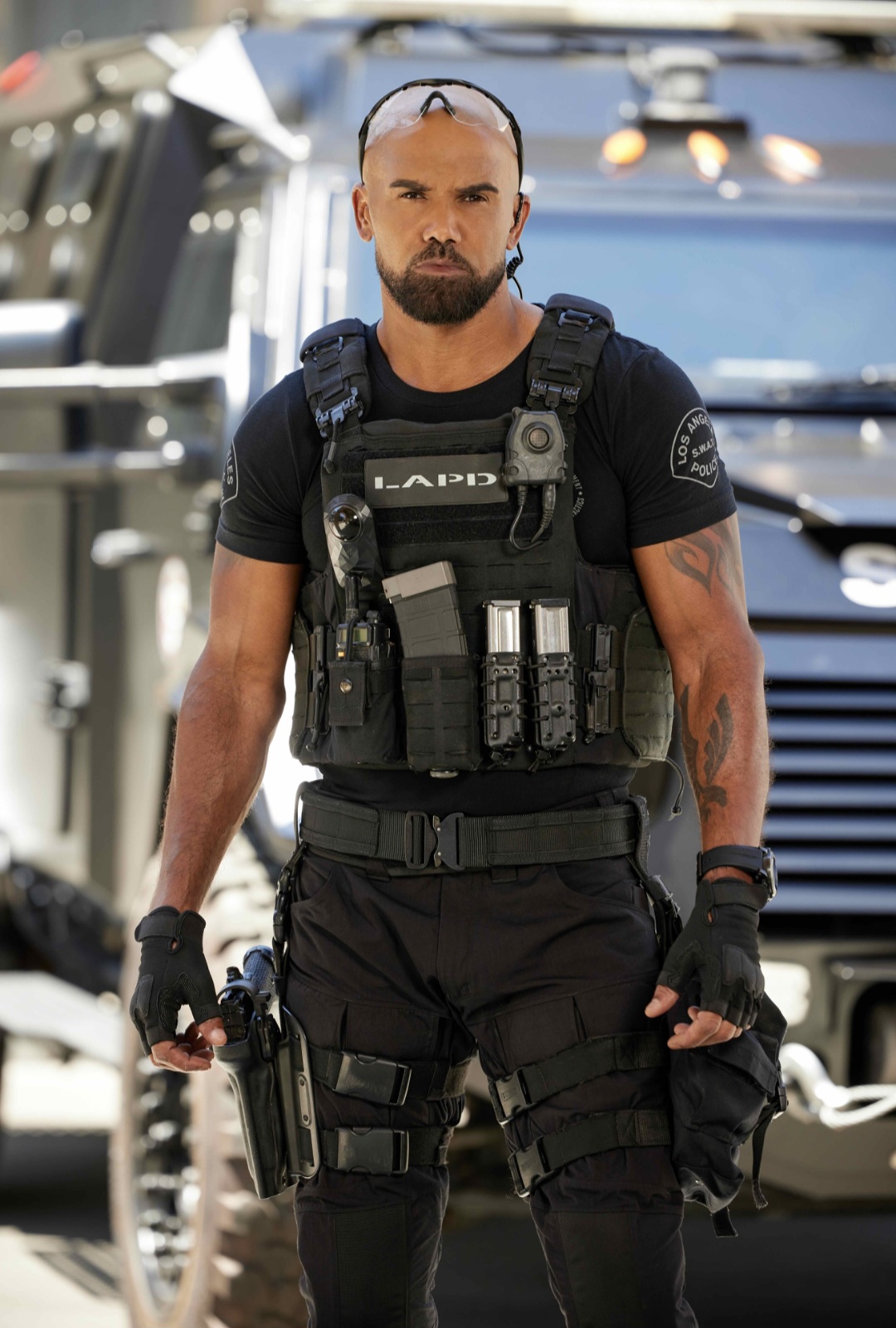
South African hip hop has never been just about the music. It is about the language we speak, the places that shape us, the people we trust and the realities we navigate long before the world pays attention. Maglera Doe Boy is bringing those experiences to the screen with Mzansi, a two-part short film that blurs the line between music, cinema and lived experience.
The rapper and filmmaker has written and co-directed the semi-autobiographical project alongside Brian O’Haze, assembling a cast that includes 25K, Ason, Sir Trill and Young Stunna. The result promises a portrait of African youth culture told from the inside, without filtering its identity for an outside audience.
More Than Music: A Story From the Streets
For a generation that has watched local music travel from neighbourhoods and taxi ranks to international playlists, Mzansi represents another step in how South African stories are being told.
The film explores a world shaped by hustle, difficult choices, loyalty and the search for identity. These are experiences that often get reduced to stereotypes when represented through outside perspectives. Maglera’s approach puts the people who know these environments best at the centre of the narrative.
As the rapper explains, Mzansi reflects both his own life and those of the young people he grew up with. His intention is to capture their streets as they look and sound, with local voices telling their own stories.
That distinction matters. Authentic representation is not simply about showing township settings or using local slang. It is about allowing the people who live those experiences to shape the narrative, from the dialogue and soundtrack to the characters and the details that make a place feel real.
When Hip Hop Becomes Cinema
Maglera is not approaching filmmaking as a side project. His creative journey has already included shooting and directing the music video for POVO, serving as creative director for Puma South Africa and securing music placements in Godfather of Harlem and Jordan Peele’s HIM.
With Mzansi, he takes that visual ambition further by building a story in which the music is part of the action rather than simply playing in the background.
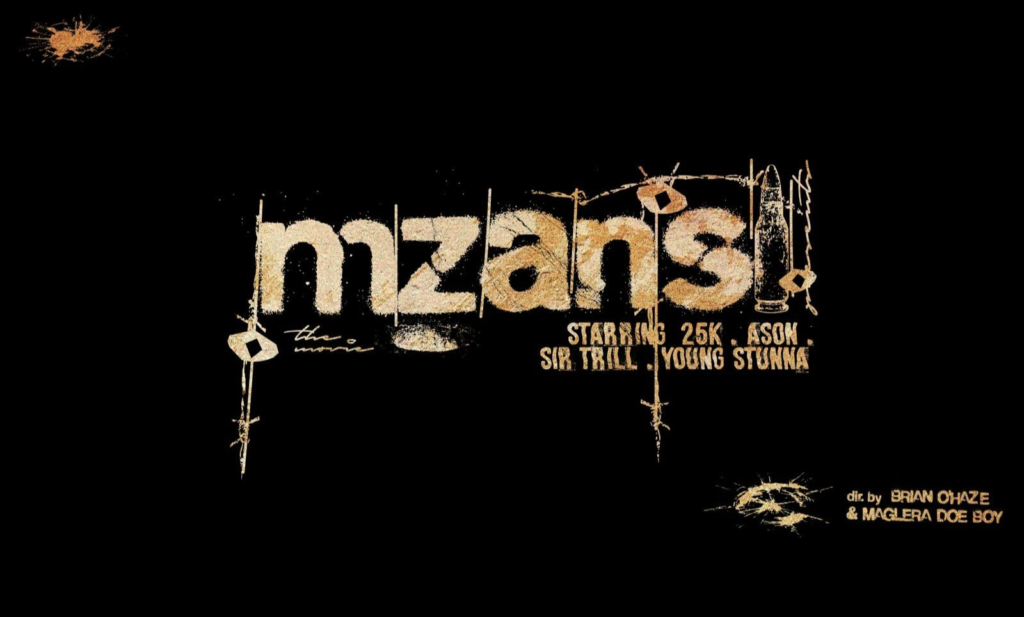
The two chapters each arrive with a new single. Part I, Izinja, features Izinja 2.0, featuring 25K and Sir Trill. Part II, Ntariana, pairs the film’s next instalment with a track featuring Young Stunna. Both records were produced by Zoocci Coke Dope and Big Les and recorded at Exodus Studios.
This approach turns the release into more than a traditional music rollout. Each single becomes part of a larger creative universe, giving audiences another reason to engage with the story as it unfolds.
Paying Respect to the Pioneers
One of the project’s most significant cultural connections comes through Izinja 2.0, which samples Izinja Zam, the classic kwaito record by legendary South African group TKZee.
The reference links generations of local music, acknowledging the pioneers who helped give township youth a recognisable voice through sound, language and attitude.
That connection is particularly relevant in a scene where genres continue to overlap and younger artists reinterpret the foundations laid before them. Sampling a familiar classic can be an act of nostalgia, but it can also be a way of carrying cultural memory into a new era.
By bringing that legacy into a contemporary hip hop film, Maglera connects the sounds that shaped previous generations with the stories today’s youth are creating.
Where to Watch Mzansi
The two-part film premieres on YouTube and Vevo, with each chapter accompanied by its respective single on digital streaming platforms.
- 2 November: Part I, Izinja, premieres alongside Izinja 2.0 featuring 25K and Sir Trill.
- 9 November: Part II, Ntariana, premieres alongside the single featuring Young Stunna.
- 9 November: The full film receives a theatrical premiere in Johannesburg, followed by an after-party panel with Maglera and the cast, livestreamed on YouTube.
The Johannesburg premiere is supported by Hennessy and Nando’s.
Ultimately, Mzansi arrives at an interesting intersection of music, filmmaking and cultural identity. It positions South African hip hop artists not only as musicians but also as storytellers capable of shaping how their communities are seen.
For Maglera Doe Boy, the mission is clear: the streets have their own stories, sounds and perspectives. Now, those stories are getting the cinematic treatment on their own terms.