The ocean covers most of our planet, yet some of its greatest mysteries remain hidden beneath thousands of metres of water. As climate change, rising sea levels and human activity reshape marine ecosystems, understanding what happens below the surface has never been more important.
Now, National Geographic is taking viewers on an extraordinary journey into these largely unexplored environments with Expedition: Saving Our Seas, a new documentary special bringing together groundbreaking technology, scientific discoveries and communities working to protect the world’s oceans.
Premiering on Monday, 16 November at 18:50 on National Geographic, with streaming availability on Disney+ in South Africa, the one-hour production explores all five ocean basins through the National Geographic and Rolex Perpetual Planet Ocean Expeditions.
But beyond the spectacular underwater footage, the documentary raises an important question: how do we protect something we have barely begun to understand?
Discovering What Lies Beneath the Ocean
One of the documentary’s most fascinating elements is its exploration of the deep sea, where researchers are using advanced technology to investigate environments that remain largely inaccessible to humans.
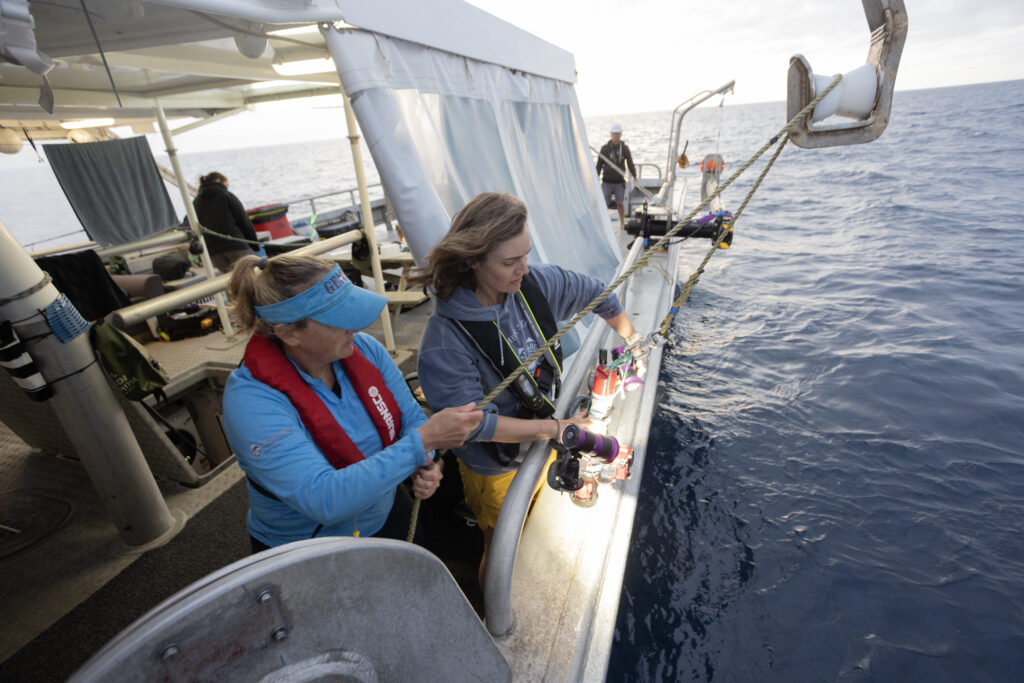
Aboard the Schmidt Ocean Institute‘s research vessel Falkor (too), scientists use the remotely operated vehicle SuBastian to explore depths approaching 13,000 feet beneath the Southern Ocean.
Their work produces several remarkable discoveries, including the most southerly known deep-sea hydrothermal vent on Earth, Antarctic krill carrying eggs at depths of approximately 3,000 feet, and the first known live sighting of a giant Antarctic gonate squid.
These discoveries demonstrate just how much remains undocumented beneath the ocean’s surface.
For marine scientists, every expedition provides another opportunity to understand the interconnected systems supporting life on Earth.
Why Ocean Conservation Is Everyone’s Business
The documentary also moves beyond scientific discovery to examine the communities directly affected by changing ocean conditions.
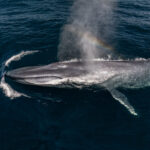
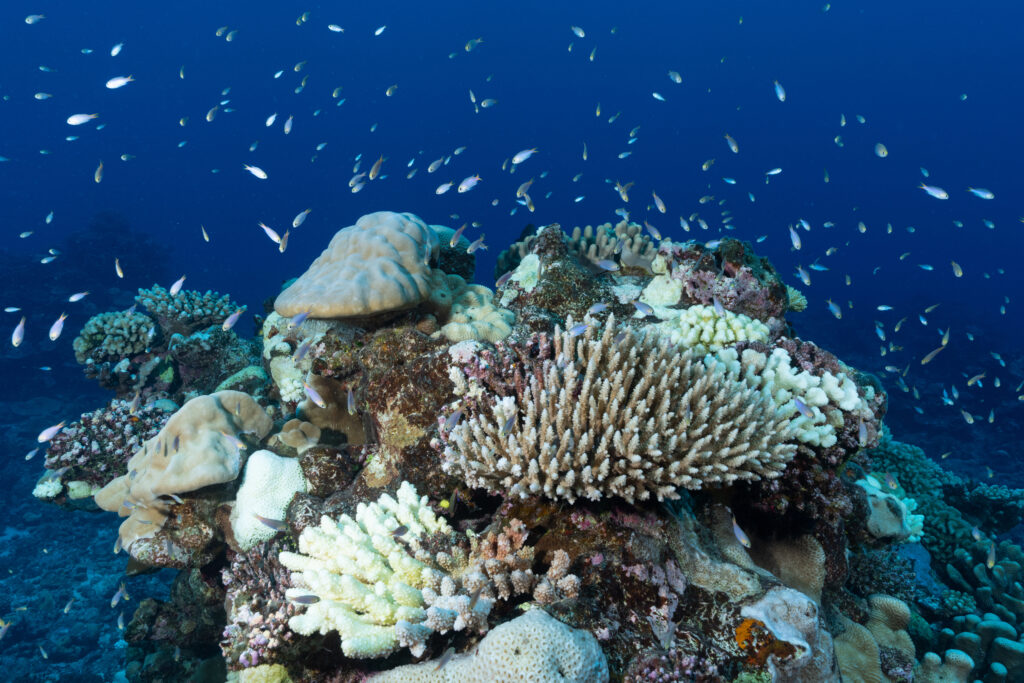
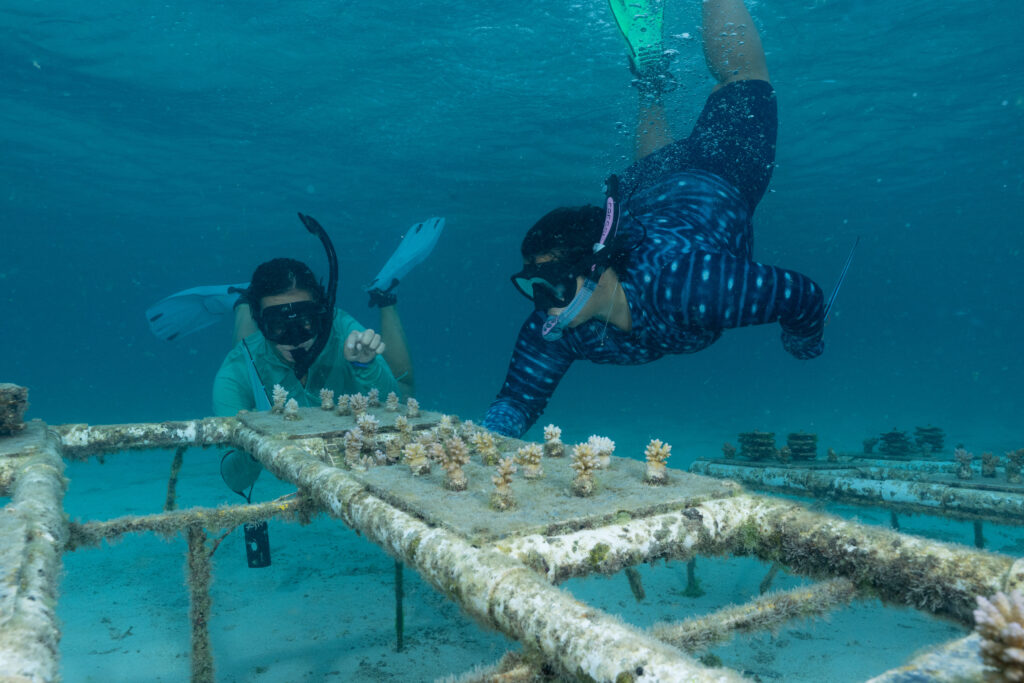
In New Zealand‘s South Taranaki Bight, researchers work alongside the local Māori community to investigate blue whales and their krill food sources. Meanwhile, scientists in the Cook Islands examine how coral responds to increasing ocean temperatures.
The challenges are equally urgent along Africa’s Atlantic coastline.
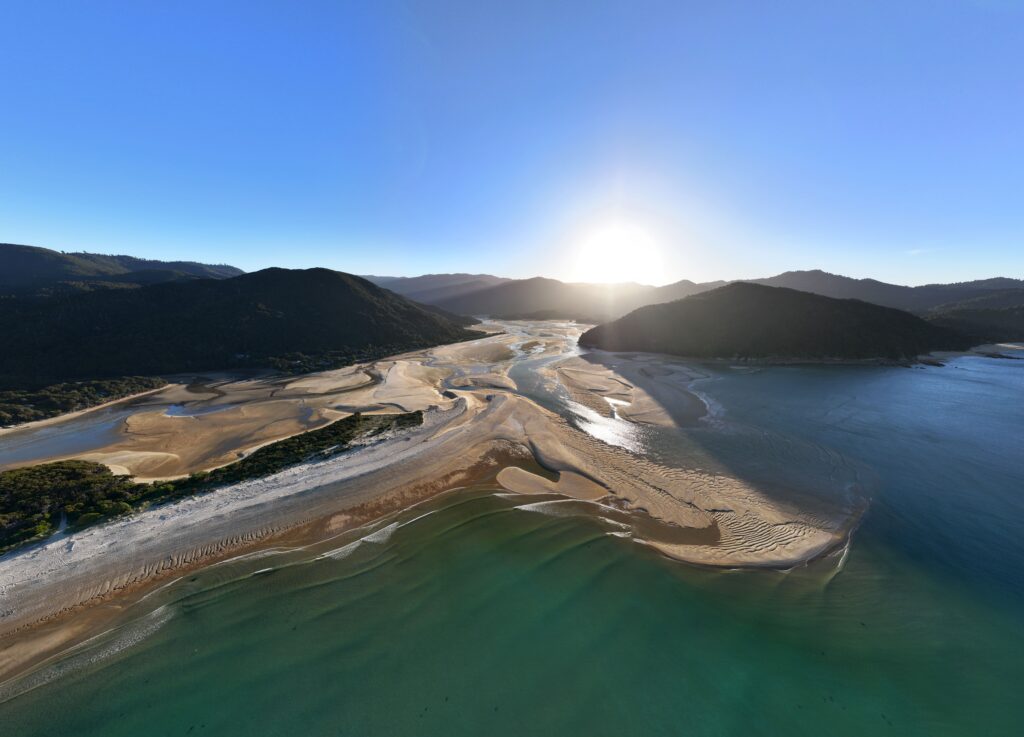
In The Gambia, where nearly half a million people live along a vulnerable coastal stretch, researchers are working with local students to measure ocean depths and currents while mapping mangrove forests that help protect communities against rising waters.
These stories highlight an important reality: ocean conservation is not simply about protecting marine animals. It is also about safeguarding livelihoods, food systems, coastal economies and the communities whose futures depend on healthy oceans.
Bringing Deep-Sea Science Closer to More Communities
One of the initiative’s most promising developments is the work of deep-ocean scientist Dr Katy Croff Bell, founder of the Ocean Discovery League.
She is developing the Deep Ocean Research and Imaging System (DORIS), a lightweight, lower-cost technology designed to make deep-sea exploration more accessible to communities that have traditionally lacked the resources to investigate their own ocean environments.
The documentary also follows Sheena Talma, the first deep-sea scientist from the Seychelles, and her team as they train on deep-ocean camera lander systems off the coast of South Africa.
The technology will help build research capacity in the Seychelles, supporting fisheries management and marine protected areas.
For South Africa and the wider African continent, this is particularly relevant. Greater access to marine research technology can help local scientists generate knowledge, strengthen conservation strategies and contribute to decisions about the future of ocean resources.
A Different Perspective on Our Blue Planet
Narrated by ocean conservationist Auliʻi Cravalho, known for voicing Moana, Expedition: Saving Our Seas connects scientific research with storytelling to make complex environmental challenges accessible to a wider audience.
Directed by Katharine Arthy and produced by Offspring Films, the special is presented by the National Geographic Society in partnership with Rolex.
The documentary is accompanied by National Geographic’s November magazine issue, dedicated to the planet’s interconnected ocean systems, alongside an immersive digital experience featuring 3D visualisations of ocean currents, seabeds and protected waters.
Ultimately, the message extends beyond exploration. Discovering new species and mapping previously unseen underwater environments means little unless that knowledge translates into meaningful protection.
For a generation increasingly confronted with environmental uncertainty, Expedition: Saving Our Seas offers a powerful reminder that the ocean’s future is connected to our own.
Watch Expedition: Saving Our Seas on Monday, 16 November at 18:50 on National Geographic (DStv 181, StarTimes 220). The documentary will also stream on Disney+ in South Africa.