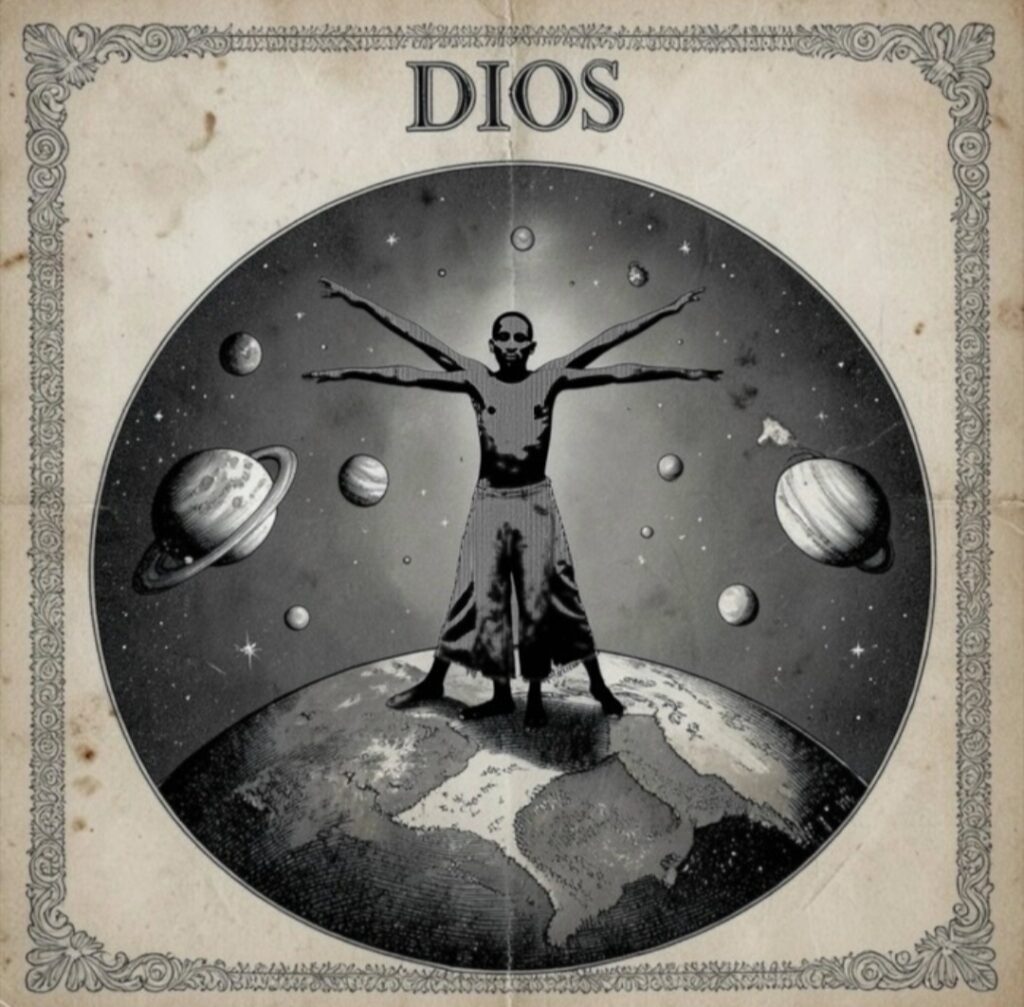
What happens when an artist stops trying to figure out the world and starts looking inward? For South African musician Espacio Dios, the answer is DIOS – an 11-track exploration of identity, love, spirituality and the complicated journey towards understanding oneself.
Released on 30 October 2026 via Labelheaded, the album marks one of the most personal chapters in the creative journey of Masego Makganyoha, better known as Espacio Dios. Moving through alternative R&B, Afropop, electronic influences and rich instrumental arrangements, the project offers something beyond a collection of songs. It is an invitation to reflect on the experiences that shape who we become.
And perhaps its most interesting quality is that it doesn’t pretend to have all the answers.
From Questioning Faith to Finding Something Greater
At the heart of DIOS is a spiritual transformation. Espacio explores his journey from atheism towards accepting and embracing God, documenting a shift in perspective that influences how he understands himself and the people around him.
Rather than presenting spirituality as a destination, the album approaches it as an evolving relationship with life, purpose and personal responsibility.
That vulnerability comes through particularly strongly in Encounter, a track inspired by a dream in which the artist encountered Jesus Christ. Elsewhere, I Am You explores the idea that the boundaries we create between ourselves and others may be less significant than we imagine.
“We are all one,” is the central message behind the track, which challenges listeners to recognise parts of themselves in other people’s experiences, contradictions, fears and emotions.
It is a timely conversation in a world where social media encourages constant comparison and individual validation.
The Beauty of Being Human
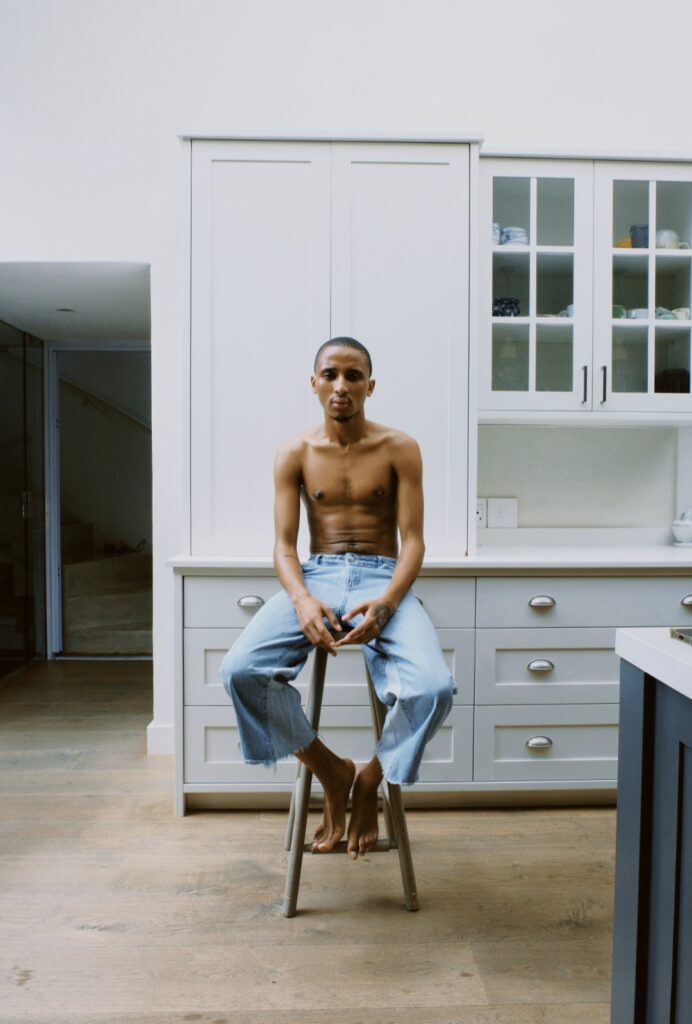
One of the album’s most relatable moments arrives with Human, a song inspired by the simplicity of an ordinary day.
Espacio reflects on how easily people move through their routines without appreciating the small moments that make up their lives. It is a reminder to pause, observe and recognise the beauty in simply existing.
That reflective approach extends into One Day, featuring Naleli, which draws inspiration from early 2000s deep house and memories of music played by his late brother Jabulani and brotherly figure Tazz the Grad.
The result is a deeply personal connection between sound, nostalgia and the people who continue to influence us long after particular moments have passed.
Meanwhile, No Mercy In Eden (4000 BC) examines the uncomfortable realities of relationships, particularly the difficulty of offering commitment when the personal work required to sustain it has not yet happened.

Creative Independence Meets South African Collaboration
Beyond its introspective themes, DIOS also highlights Espacio’s commitment to creative independence.
His single I Am You was written, produced and engineered entirely by the artist himself. Maintaining control over the process allowed him to protect the emotional integrity of the song without diluting its original message.
That same creative vision extends to the album’s visual identity.
Working alongside Naleli Seseli of Nest Films, Espacio developed a visual world that reflects the project’s evolving themes. All the visuals were filmed and directed by Seseli, while Espacio handled the editing and colour grading.
The collaboration demonstrates how music videos can become extensions of an artist’s storytelling rather than simply promotional material.
The album also features Lift Off, a collaboration with Maglera Doe Boy that brings another South African creative voice into the conversation. Exploring self-love, temptation, acceptance and personal elevation, the track moves between grounded percussion and expansive, atmospheric soundscapes.
An Artist Still Evolving
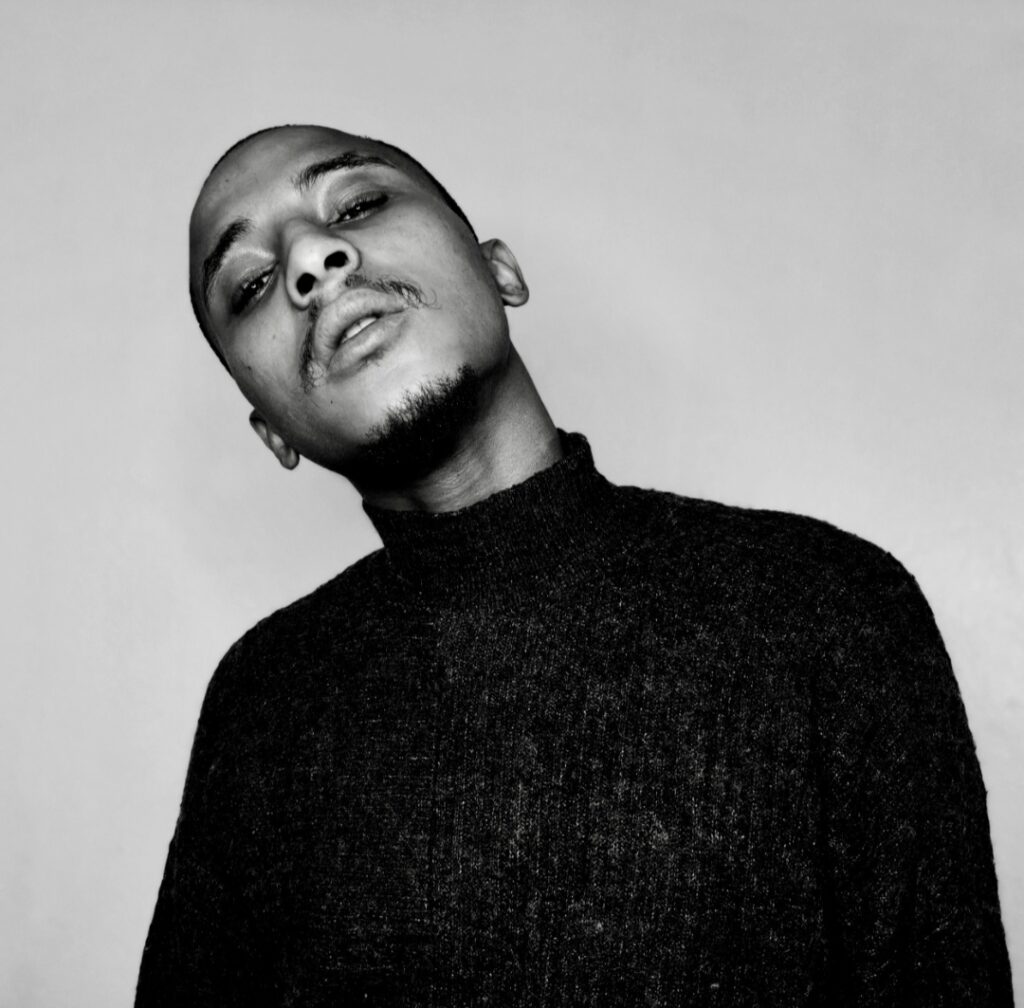
Espacio Dios has spent years building a distinctive place within South Africa’s alternative music landscape.
Since his 2016 debut EP, Back Seat Galaxy, he has explored different musical identities, collaborated with international and local artists, and secured placements across television, film and advertising.
His catalogue includes collaborations with Muzi, Allan Kingdom and Kilter, while his music has appeared in productions including Netflix’s Blood & Water and other international projects.
His 2024 project, Cradle of the Fourth Kind, explored different stages of falling in love, drawing from African R&B, Motswako, traditional influences and electronic music.
With DIOS, the focus shifts towards something more internal.
Tracks such as Mmkay, which revisits his childhood ambitions as a young Black boy from a small town, and I Love Myself, an unapologetic celebration of self-worth, reinforce the album’s wider message: understanding yourself means embracing every version of who you have been and who you are becoming.
Ultimately, DIOS doesn’t ask listeners to adopt Espacio’s beliefs. It asks them to look inward, question their assumptions and find meaning in their own experiences.
In a music landscape where artists are often expected to maintain a particular image, there is something refreshing about a project that makes room for uncertainty, vulnerability and change.
Sometimes the biggest creative statement an artist can make is simply allowing people to witness their evolution.