South Africa’s democracy is shaped by more than election results and political speeches. It is also defined by the decisions made behind closed doors, the sacrifices of those who fought for freedom and the difficult questions that remain unanswered decades after 1994.
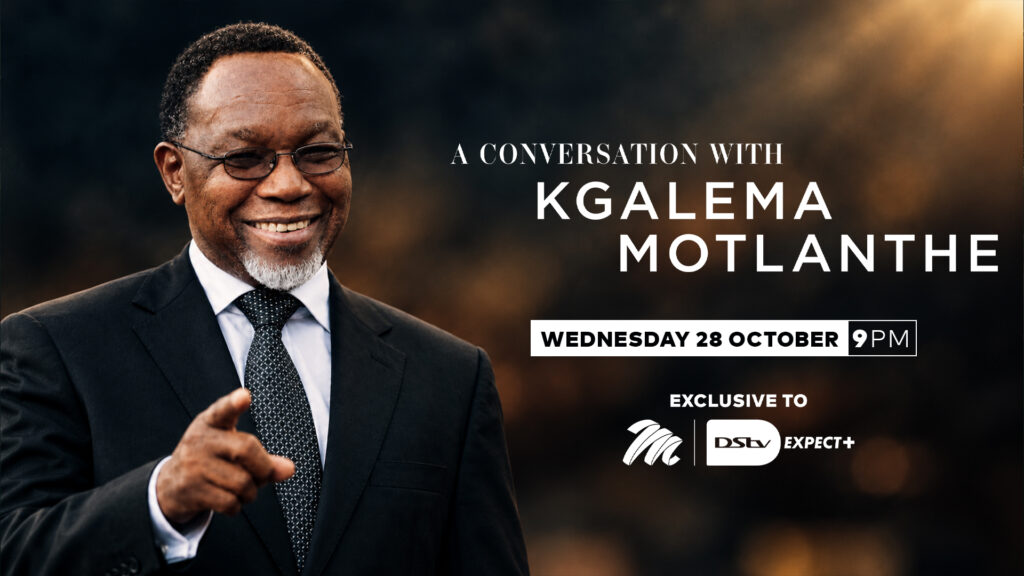
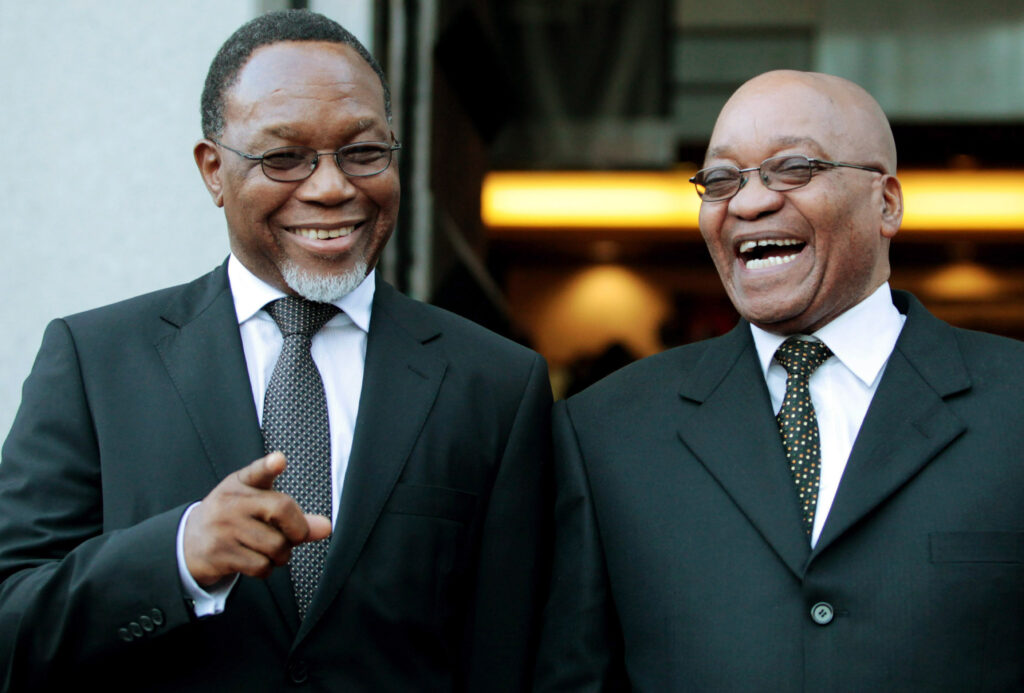
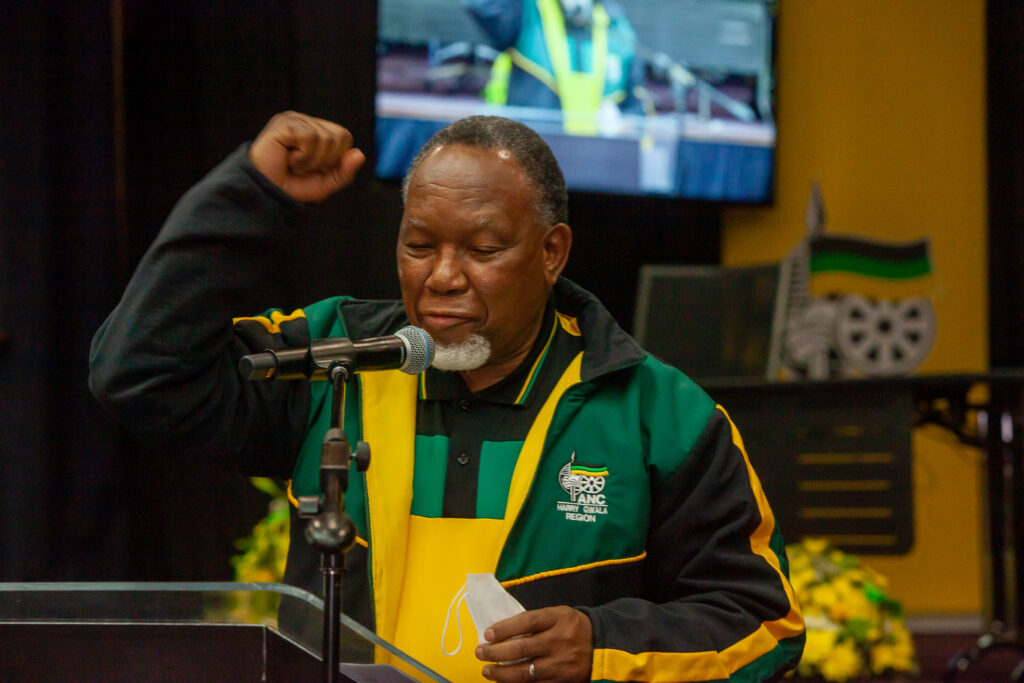
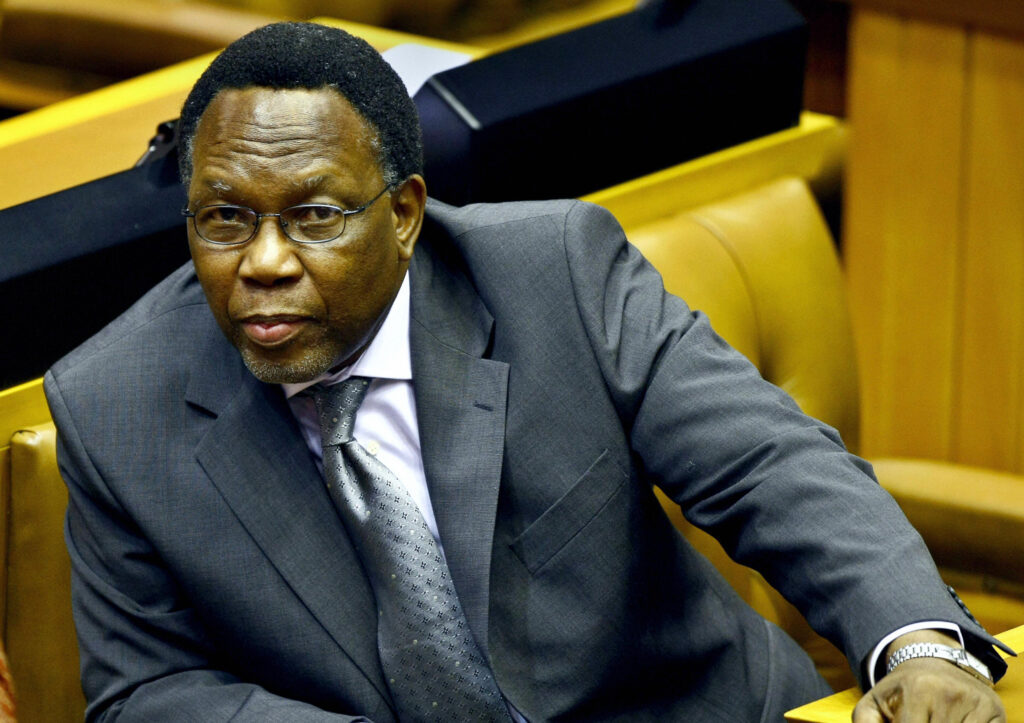
On Wednesday, 28 October 2026, M-Net brings these conversations into the spotlight with A Conversation with Kgalema Motlanthe, an exclusive documentary special featuring the former president in a reflective discussion about leadership, governance and the country’s democratic journey.
Hosted by political analyst and broadcaster Khaya Sithole, the programme offers viewers an opportunity to hear directly from a man whose life has intersected with some of the most significant chapters in South Africa’s modern history.
From Alexandra to the Union Buildings
Before occupying the highest political office in the country, Motlanthe’s story began far from the corridors of power.
His journey took him from childhood in Alexandra to adulthood in Meadowlands, Soweto, before his involvement in the liberation struggle led to imprisonment on Robben Island. He later became a prominent figure in the labour movement and rose through the ranks of the African National Congress (ANC).
These experiences provide important context for understanding the political leader he became.
Motlanthe served as South Africa’s third democratically elected president from September 2008 to May 2009, a period of approximately seven months. Although his presidency was relatively brief, it came at a significant moment in the country’s political transition.
His reflections offer a chance to revisit that chapter through the perspective of someone who experienced the struggle, participated in organised labour and eventually carried the responsibilities of national leadership.
For younger South Africans who did not experience apartheid firsthand, these personal accounts can help connect historical events to the realities shaping their lives today.
The Questions South Africa Still Needs to Answer
Beyond revisiting the past, the documentary turns its attention to issues that continue to influence everyday life.
Economic transformation, unemployment, governance, cadre deployment and party politics feature among the topics Motlanthe addresses. These are not simply political talking points; they affect opportunities for young people entering the job market, entrepreneurs trying to build sustainable businesses and communities demanding better public services.
South Africa has made significant democratic gains, but questions about accountability, economic inclusion and the effectiveness of public institutions remain central to the national conversation.
Motlanthe’s perspective provides an opportunity to examine how the country’s political choices have shaped its present circumstances and what lessons might inform its future.
The value of such a conversation, however, lies not only in the answers offered but also in the questions it encourages viewers to ask about power, responsibility and the distance between political promises and lived experience.
Khaya Sithole Brings the Questions
Guiding the discussion is Khaya Sithole, a chartered accountant, academic, writer, broadcaster and political analyst known for his engagement with governance, economic policy and public affairs.
His background positions him to explore the relationship between political leadership and the economic realities facing South Africans.
Produced by Idea Candy, with concept, research and consulting by Exordium, development by Picture Cult and direction by Richard Gregory, the special combines historical context with personal reflection and political analysis.
Rather than presenting Motlanthe’s career as a simple timeline of milestones, the production creates space to consider the values, convictions and difficult choices associated with governing a nation.
A Conversation Worth Having Across Generations
For a generation navigating unemployment, economic uncertainty and questions about the future of South Africa, conversations about leadership matter when they move beyond nostalgia and encourage critical engagement with the present.
Motlanthe’s experiences offer a historical lens through which viewers can consider how democratic institutions evolve, how political responsibility should be measured and what meaningful public service ought to look like.
The documentary also presents an opportunity to hear how a former head of state interprets the country’s challenges today. The extent to which those reflections offer fresh answers or challenge familiar political narratives will be part of what makes the discussion worth watching.
A Conversation with Kgalema Motlanthe premieres on Wednesday, 28 October 2026, at 21:00 on M-Net, DStv channel 101. It will also be available on Catch Up and DStv Stream.
M-Net is additionally available to more DStv subscribers through the Movies & Series package, priced at R500 for both streaming-only and decoder-based subscriptions.