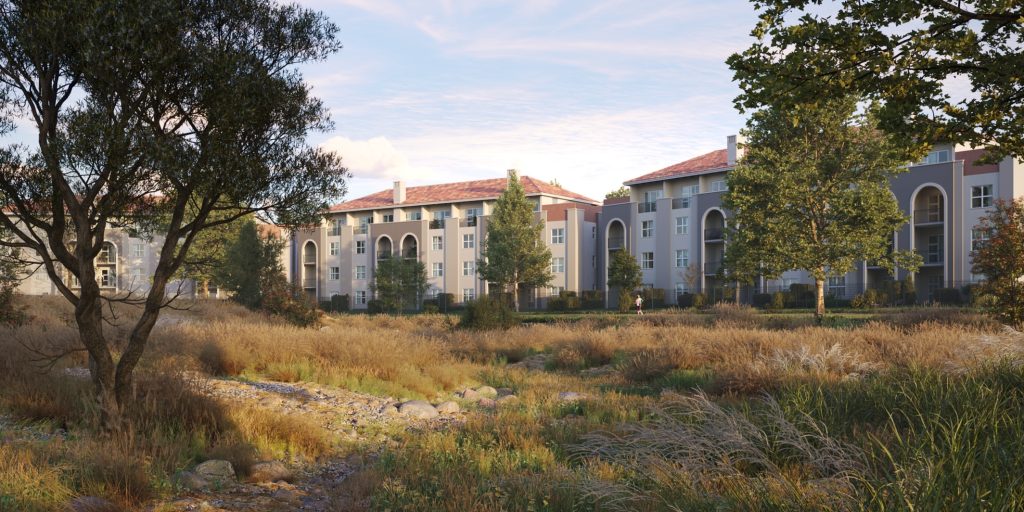
What if choosing a modern apartment also meant making a more conscious decision about water, energy and the environment? In Fourways, Johannesburg, Riverstone Wetland Estate is putting that question into practice, earning preliminary EDGE green building certification for a development designed around a rehabilitated wetland.
Developed by Craft Homes in Magaliessig, the residential estate has received preliminary certification from the Green Building Council South Africa (GBCSA), recognising measurable improvements in energy efficiency, water consumption and the environmental impact of construction materials.
For a city where development and environmental preservation increasingly need to coexist, Riverstone offers a glimpse of what more responsible urban living could look like.
Beyond the Green Label: The Numbers Matter
Sustainability is often used as a selling point in property marketing. The challenge is proving that a development’s environmental ambitions translate into measurable results.
Riverstone’s preliminary EDGE certification provides independently audited figures that go beyond broad promises of greener living.
According to Craft Homes, the development projects 37.54% savings in energy consumption, 20.76% in water usage and 36.07% in embodied energy in building materials compared with the applicable local building baseline.
EDGE, which stands for Excellence in Design for Greater Efficiencies, is a green building standard developed by the International Finance Corporation, part of the World Bank Group. Its certification framework requires qualifying projects to demonstrate at least 20% savings across energy, water and embodied energy in materials.
Riverstone exceeds that threshold in all three categories. Final certification will follow once the entire development is complete.
The distinction matters because sustainable construction is not simply about adding solar panels or planting trees. It also involves decisions about how buildings use resources, which materials go into their construction and how infrastructure performs over time.
Building Around Nature, Not Just Near It
Located approximately 500 metres from Montecasino and Fourways Mall, Riverstone Wetland Estate combines access to established urban amenities with a design centred on a rehabilitated wetland.
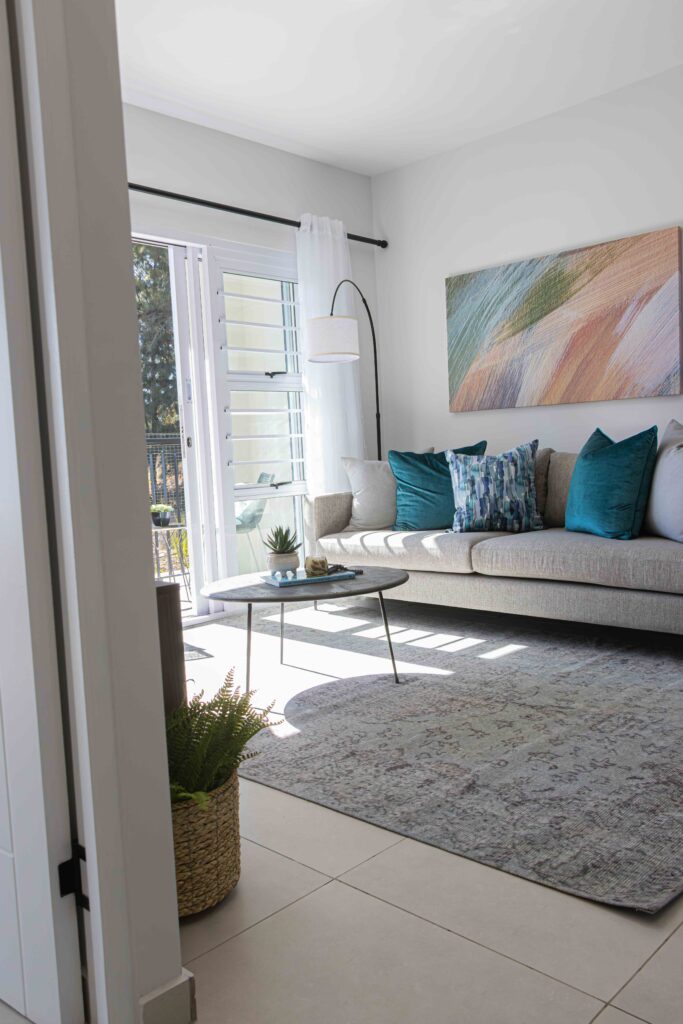
The development comprises 12 apartment blocks and 275 residential units, with seven accommodation typologies ranging from studios to two-bedroom apartments. The wetland is intended to be preserved and incorporated as a recreational amenity for residents.
This approach raises an important question for Johannesburg’s expanding neighbourhoods: can new residential developments accommodate urban growth without treating natural landscapes as obstacles to construction?
Craft Homes CEO Reinier van Loggerenberg says the project’s wetland-first approach was central to its sustainability ambitions. The EDGE assessment, he explains, provides technical validation of those decisions rather than relying on environmental intentions alone.
The project has also been recognised at the International Property Awards, where Riverstone received recognition for sustainability alongside other Craft Homes developments.
Could Greener Living Also Mean Financial Benefits?
For prospective buyers, sustainability is only one part of the equation. Affordability, monthly repayments and the cost of getting into the property market remain significant considerations.
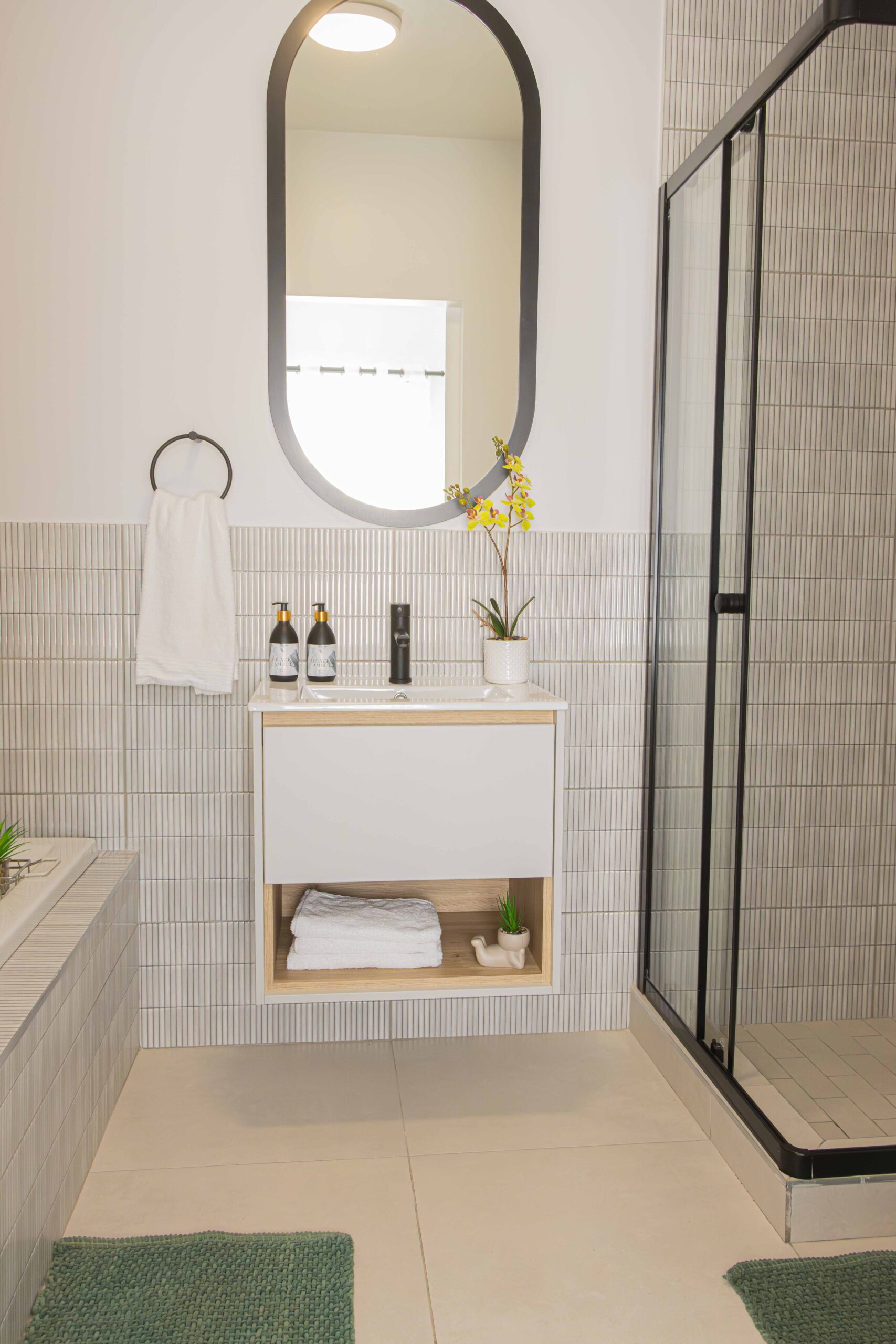
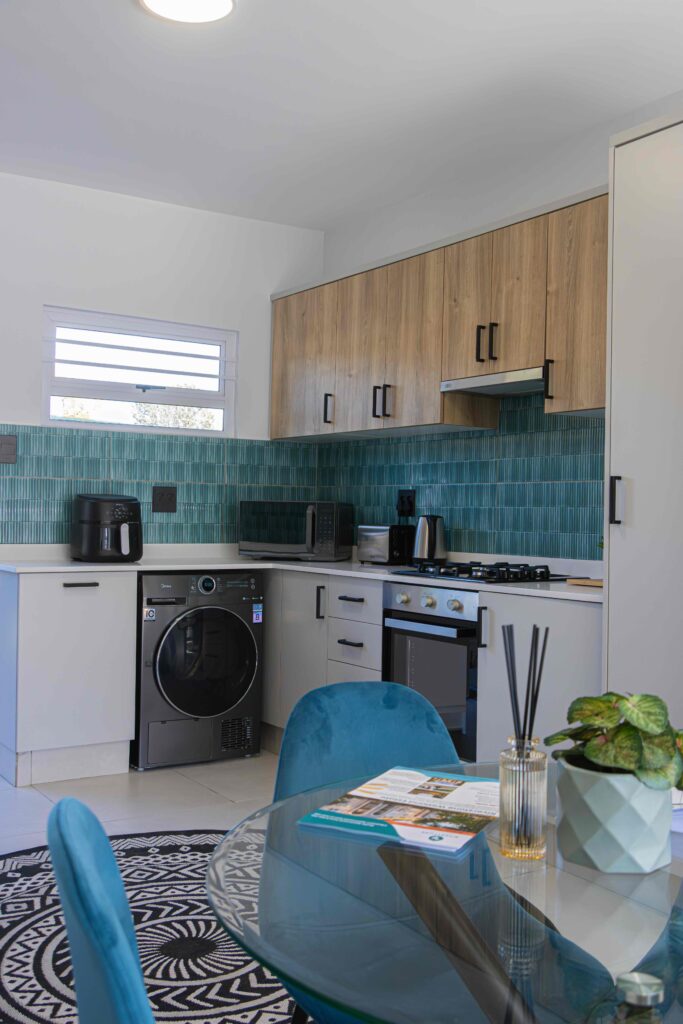
Riverstone incorporates energy-efficient lighting, low-flow water fixtures, metered water and onsite renewable energy, alongside solar backup systems and fibre connectivity. These features are designed to support resource efficiency and everyday convenience.
The development’s EDGE certification may also help qualifying buyers access green home-finance incentives through participating banks.
Craft Homes identifies potential benefits including interest-rate reductions, registration-fee rebates and other qualifying financing offers from institutions such as Absa, Nedbank, First National Bank and Standard Bank. The specific benefits depend on each bank’s eligibility requirements, the property price, the buyer’s financial circumstances and the applicable offer terms.
For buyers, the important consideration is the total cost of ownership. Reduced resource consumption may help lower certain household expenses, while eligible financing incentives could reduce some upfront or borrowing costs. Actual savings will depend on usage, tariffs and individual loan terms.
Prospective buyers should confirm all current offers directly with their banks before making a purchase decision.
A Different Vision for Johannesburg Living
Riverstone sold 60% of its Phase 1 units over launch weekend, according to Craft Homes, suggesting early interest in the development.
Phase 1 is already occupied, while Phase 2 is estimated for occupation in 2026, followed by Phase 3 in April 2027 and Phase 4 in July 2027.
The development is open for viewing every weekend from 12pm to 5pm at 14 Daniel Road, Magaliessig, Fourways.
Ultimately, Riverstone’s significance extends beyond another residential development entering Johannesburg’s property market. It puts measurable environmental performance into a conversation that also includes urban convenience, housing costs and the quality of the spaces people call home.
As South African cities continue to grow, the real test for sustainable property will be whether responsible design becomes a standard expectation rather than a premium selling point.
Riverstone offers one example of that possibility. The next challenge is making this approach accessible across a broader range of developments, neighbourhoods and household budgets.