Buying a television has become more complicated than simply choosing a screen size and checking the price tag. Between 4K, OLED, QLED and now Mini LED, the technology labels competing for attention can leave even informed shoppers wondering what they’re actually paying for.
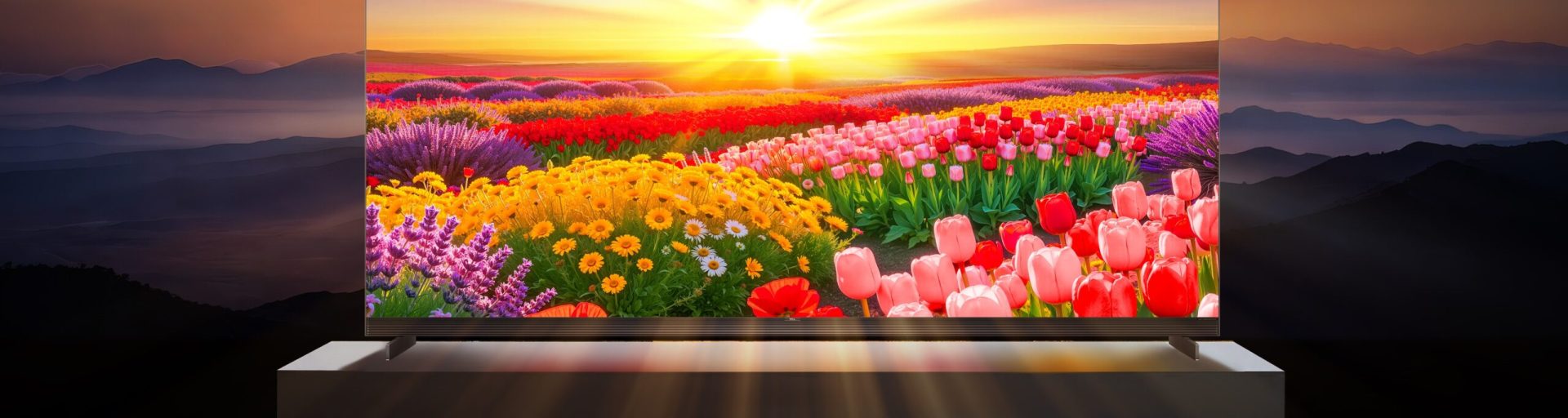
Mini LED has emerged as one of the biggest talking points in television technology, promising brighter images, deeper blacks and better contrast. But here’s the catch: not every television carrying the Mini LED label delivers the same viewing experience.
For South African consumers looking to invest in a new entertainment setup, understanding what sits behind the marketing could make the difference between buying a genuinely impressive screen and paying a premium for a label.
Mini LED Is About More Than Smaller Lights
At its most basic level, Mini LED uses significantly smaller LED chips than conventional LCD television backlights. These chips are roughly one-fifth the size of traditional LEDs, allowing manufacturers to fit thousands more behind a screen.
Why does that matter?
The advantage is greater control over how light is distributed across the display. Instead of illuminating large sections of the screen together, Mini LED technology can divide the backlight into independently controlled zones.
This allows certain areas to become brighter while others remain darker, improving contrast and making details more visible in scenes containing both intense highlights and deep shadows.
Think about watching a night-time action sequence, a visually rich sports broadcast or a cinematic scene with dramatic lighting. Better backlight control can make those viewing moments feel considerably more immersive.
However, the technology’s potential depends heavily on how manufacturers implement it.
Three Things to Check Before Buying a Mini LED TV
The words Mini LED on a television’s packaging don’t automatically guarantee premium performance. According to TCL, three important technical factors help distinguish capable Mini LED displays from less sophisticated implementations.
1. Hardware Local Dimming
One of the biggest things shoppers should investigate is whether a television offers genuine hardware-based local dimming.
This technology physically controls individual groups of LEDs behind the display, allowing different areas to adjust their brightness independently.
Software-based or virtual dimming, meanwhile, relies more heavily on image processing rather than independently controlling physical backlight zones.
The distinction matters because hardware local dimming generally offers more precise control over bright and dark areas, helping improve contrast and reduce unwanted light spilling into darker parts of an image.
2. The Number of Dimming Zones
More independently controlled dimming zones can mean greater precision when displaying complicated lighting scenes.

A television with several hundred zones can already offer a meaningful improvement over conventional LCD backlighting. However, models featuring thousands of zones can provide finer control over the relationship between bright highlights and dark backgrounds.
Zone count isn’t the only measure of picture quality, but it’s an important specification worth investigating before making a purchase.
3. Full Array Local Dimming Architecture
The physical placement of LEDs also makes a difference.
Edge-lit televisions position their LEDs around the edges of the screen, while conventional direct-lit designs place them behind the panel but generally offer less sophisticated backlight control.
Full Array Local Dimming (FALD) distributes LEDs across the entire rear of the display and independently controls different sections.
This architecture provides the foundation for more precise Mini LED performance. TCL says FALD technology underpins its Mini LED television range, from entry-level models to its flagship offerings.
Why TCL Is Betting Big on Mini LED
For TCL, the conversation around Mini LED extends beyond individual television specifications. The company is positioning the technology as an important part of its global television strategy.
According to Omdia’s global brand Mini LED TV shipment data for the first half of 2026, TCL ranked first worldwide by Mini LED television shipment volume.
The company reported shipping 2.43 million Mini LED televisions globally during that period, representing 77.1% year-on-year growth.
Speaking about the technology, Alvin Wang, General Manager of TCL South Africa, emphasised that Mini LED represents a family of different approaches rather than one standardised viewing experience.
His message to consumers is straightforward: ask about hardware dimming, the number of dimming zones and the television’s backlight architecture before buying.
The Smarter Way to Shop for Your Next TV
As television technology continues evolving, consumers need more than impressive marketing terminology to make informed purchasing decisions.
Mini LED has genuine potential to bring advanced picture quality to a wider range of households, but the implementation matters just as much as the technology itself.
Before committing to your next television, look beyond the badge on the box. Compare specifications, investigate local dimming capabilities and, where possible, view different models side by side.
Because when it comes to your entertainment experience, it’s not just about having the latest technology. It’s about understanding what that technology actually delivers.
For more information about TCL’s television range, visit TCL South Africa.