I’ll be honest: when I received an invitation from the Saudi Film Commission to attend the inaugural Saudi Film Nights in Johannesburg, I wasn’t exactly jumping out of my seat.
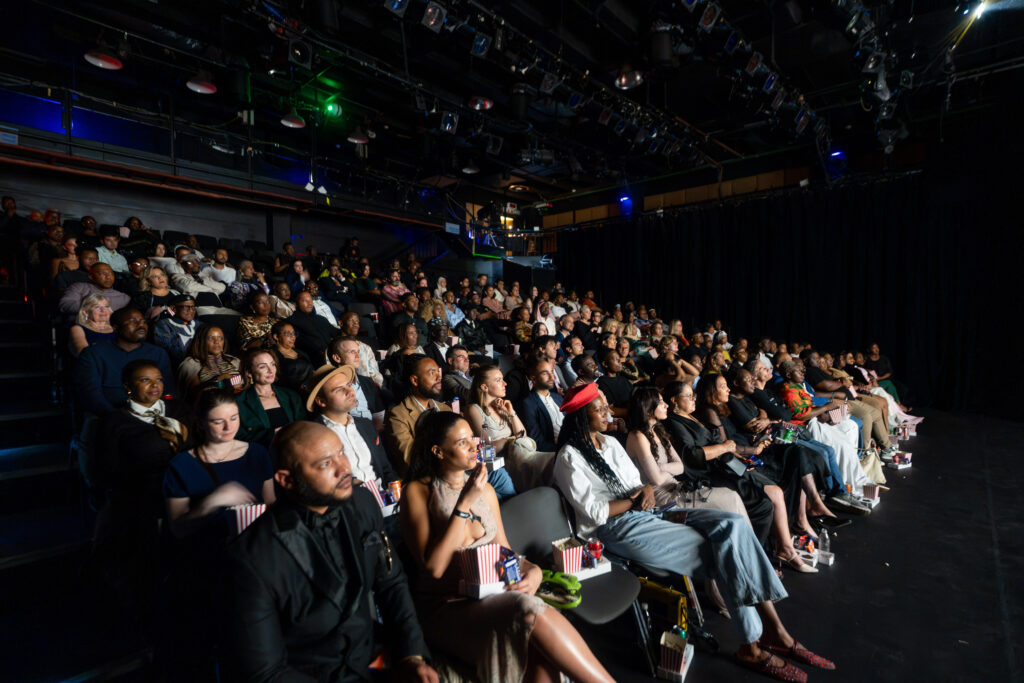
The thought of watching an Arabic film with English subtitles had already convinced me that I might be in for an evening of reading rather than watching. I arrived at Joburg Theatre on Thursday, 8 October 2026, carrying expectations that weren’t exactly generous.
But sometimes, the best cultural experiences begin when you walk into a room convinced you won’t enjoy yourself.
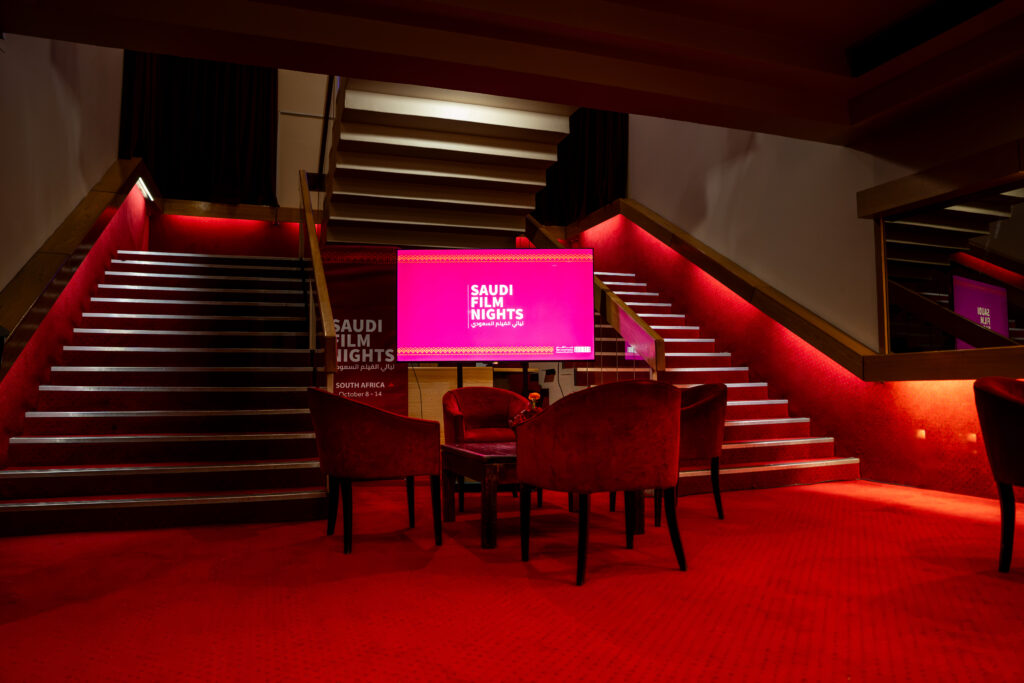
From Red Carpet Glamour to a Different Kind of Storytelling
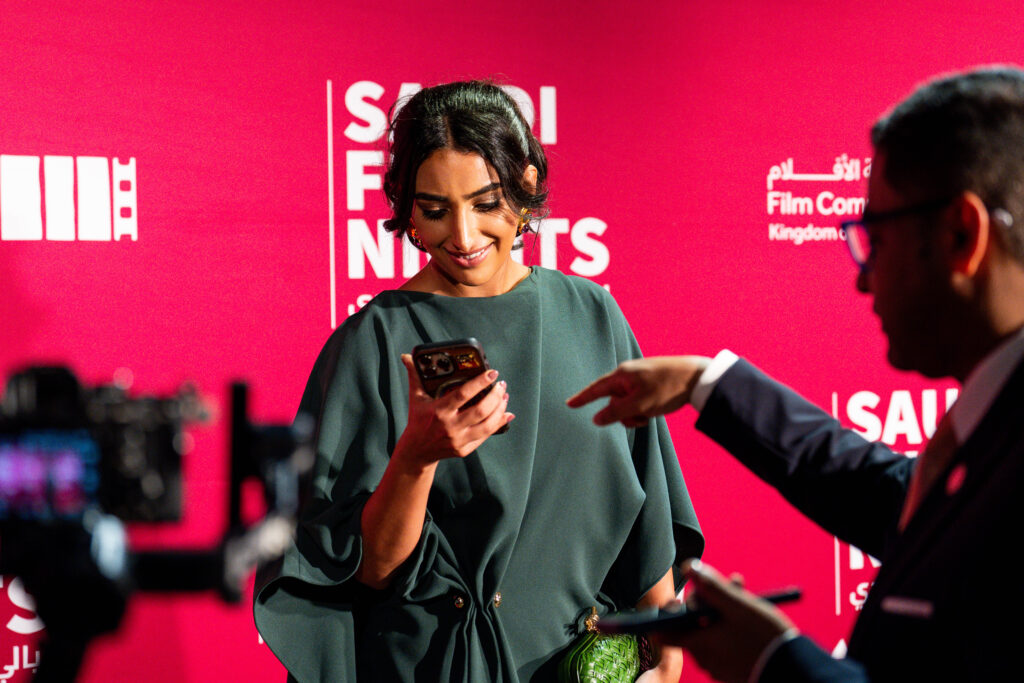
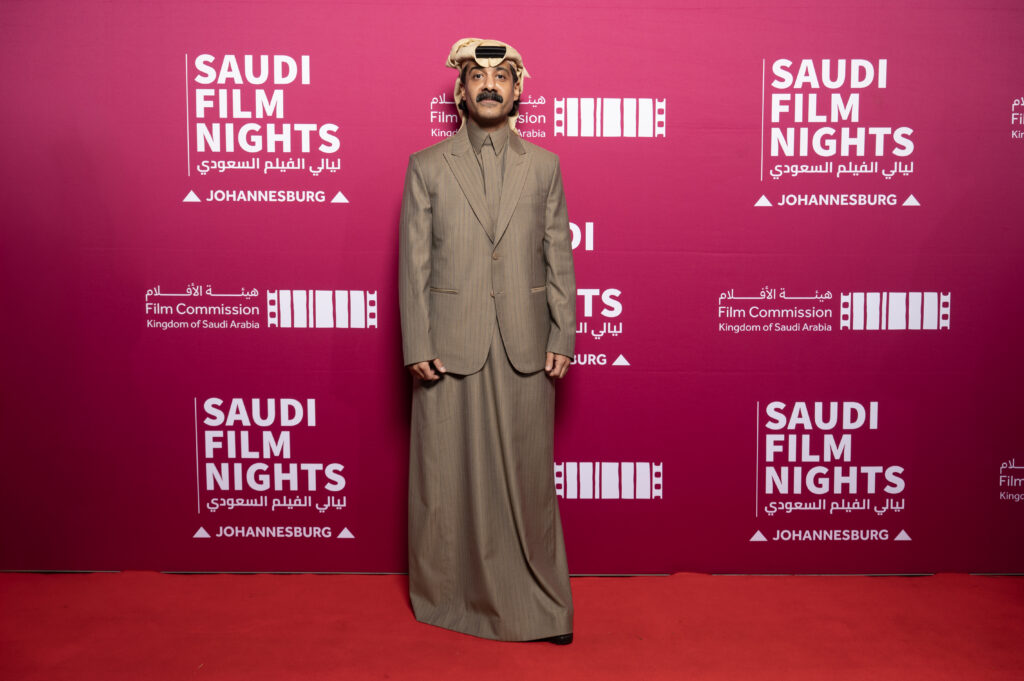
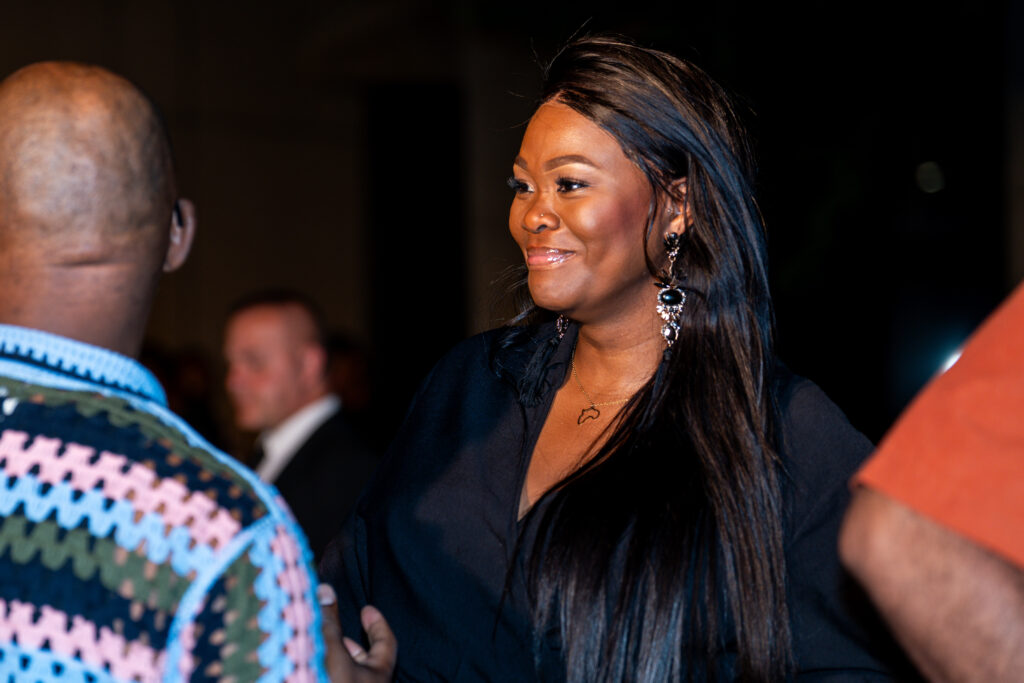
The evening opened with the glitz and glamour of the red carpet, bringing together Saudi and South African guests for a celebration of cinema and cultural exchange. Hosted by Didintle Khunou, the event introduced Johannesburg audiences to contemporary filmmaking from the Kingdom of Saudi Arabia.
Once the formalities were over, it was time for the films.
The programme featured Irtizaz, a 14-minute short film directed by Sara Balahonaim, followed by Night Courier, a feature film directed by Ali Kalthami with a runtime of one hour and 50 minutes.
I won’t pretend I was immediately locked in when the short film began. My initial reservations were still hanging around. However, as the story unfolded, I started paying closer attention to the themes, characters and relationships on screen.
One detail that stood out was the prominent role of women in and around the storytelling. Seeing women take the lead creatively challenged any assumptions I had brought into the theatre.
By the time Irtizaz ended, my curiosity had started to replace my scepticism.
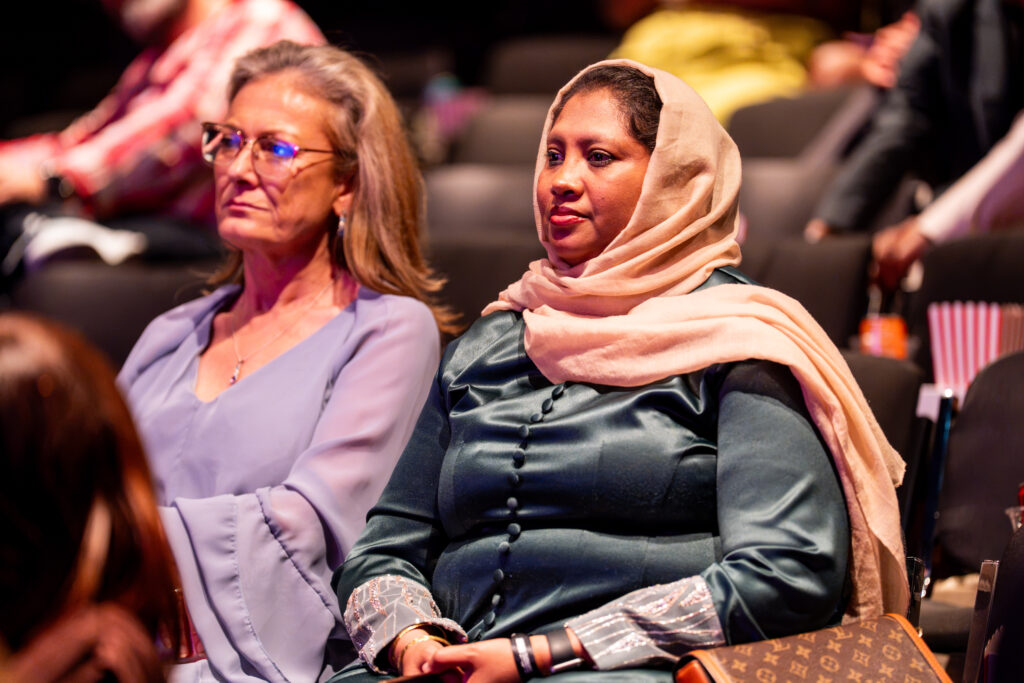
Night Courier Took Me by Surprise
Then came Night Courier, and this was where the evening really came together for me.
The film follows Fahad, a man struggling to save his ailing father. He takes a job as a courier, but what appears to be an opportunity to earn money draws him into an illicit underworld that threatens both his principles and his survival.
It’s a premise that immediately raises questions about desperation, responsibility and how far someone might go for the people they love.
These are themes that can resonate with South African audiences, too. Many people understand the pressure of trying to provide for family while navigating circumstances that don’t always offer easy choices.
Although the story unfolds in Saudi Arabia, the emotional stakes felt accessible. I found myself becoming more invested in the film than I had expected, and by the end, I could honestly say that I had enjoyed the experience.
There was one detail I wanted to ask about during the post-screening Q&A but never got the chance to raise: why did the night scenes in Night Courier feature so much rain? Was it a deliberate visual choice to establish the film’s atmosphere, or did it serve another creative purpose? That question is still on my mind.
Why South Africans Should Give Saudi Cinema a Chance
What Saudi Film Nights reminded me is that language shouldn’t automatically become a barrier to discovering a good story.
Subtitles require a little adjustment, certainly. But once you settle into the film, the performances, atmosphere, characters and emotions can pull you in just as they would with a production in English.
International film screenings also create opportunities to encounter cultures beyond the versions we might see in headlines or on social media. They allow us to discover different perspectives while recognising experiences that connect us.
Durban and Cape Town, You’re Up Next
Saudi Film Nights continues across South Africa, with screenings scheduled for Durban on 11 October at The Playhouse Company’s Drama Theatre and Cape Town on 14 October at the historic Labia Theatre.
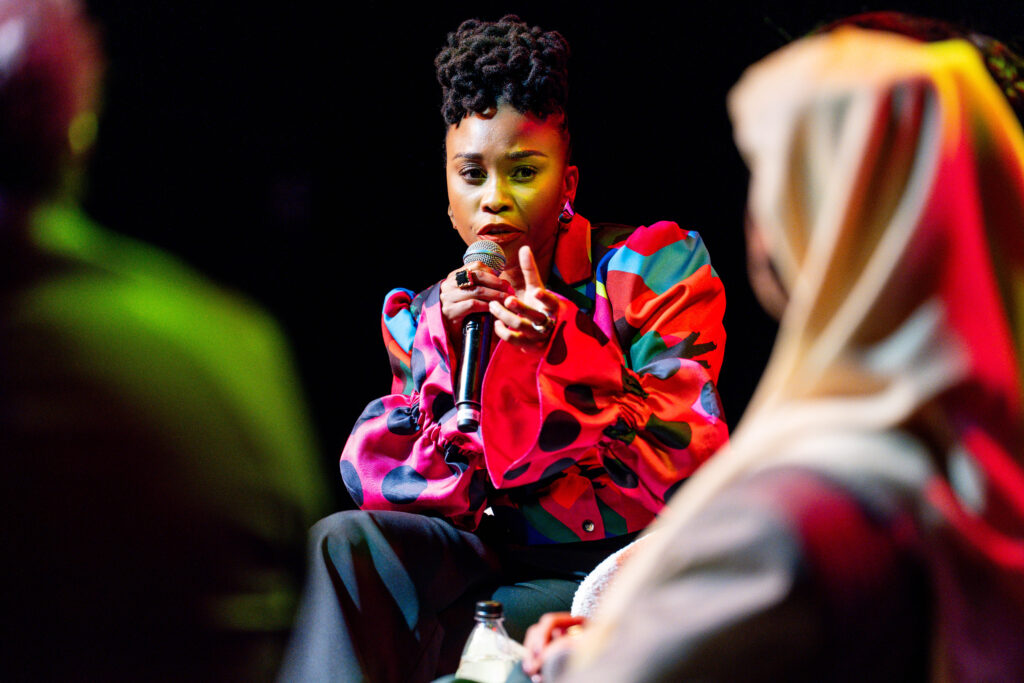
The programme includes different films at the various stops, with post-screening Q&As offering audiences opportunities to engage with the filmmakers and explore the creative thinking behind their work.
My advice? Go in with an open mind. You might arrive with doubts, as I did, and leave with a new appreciation for a cinema culture you haven’t explored before.
If you’re attending the Durban or Cape Town screenings, let Urban Lifestyle know what you think. Did the films surprise you? Did the subtitles become an afterthought? And what stood out most about the stories?
Sometimes, all it takes is one unexpected film to change the way you see an entire industry.