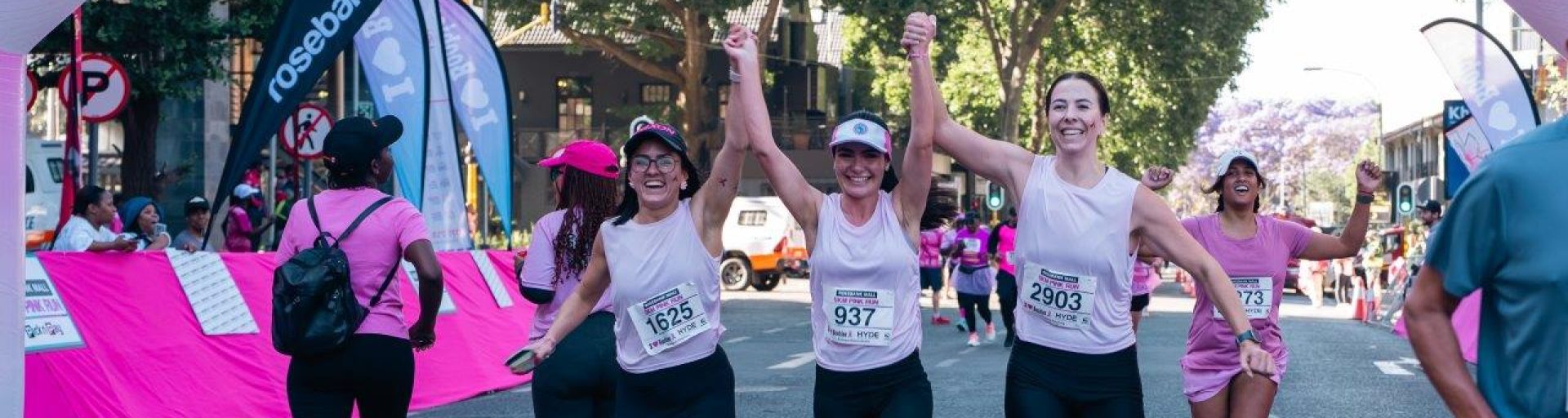
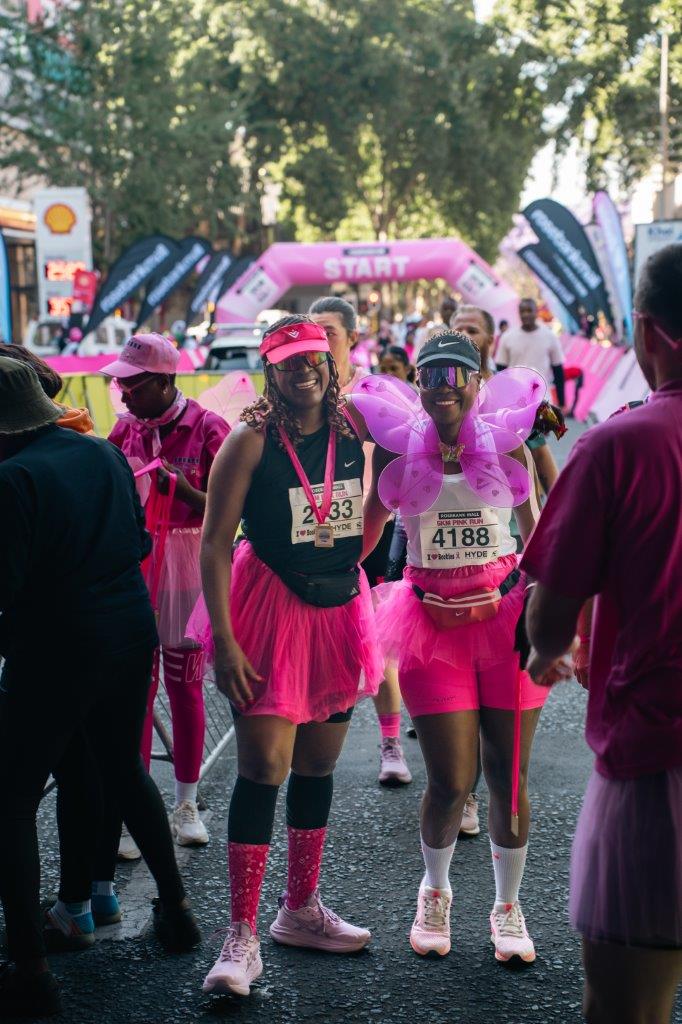
Johannesburg showed up in pink, and the impact went far beyond the finish line. Rosebank Mall’s annual Pink Run has brought together 4,300 participants, raising R100,000 to help 200 women from underserved communities access free breast health education and clinical screenings.
Held on Saturday, 24 October 2026, the 5km community event exceeded its original target of 3,500 participants by 23%. But behind the impressive turnout is something more meaningful: a growing community movement turning awareness into practical support for women’s health.
For many South African women, access to early detection services remains a challenge. This is where community-driven initiatives can make a real difference.
From 900 Runners to 4,300 Voices
What started with approximately 900 participants in 2023 has grown into one of Rosebank Mall‘s significant annual community initiatives.
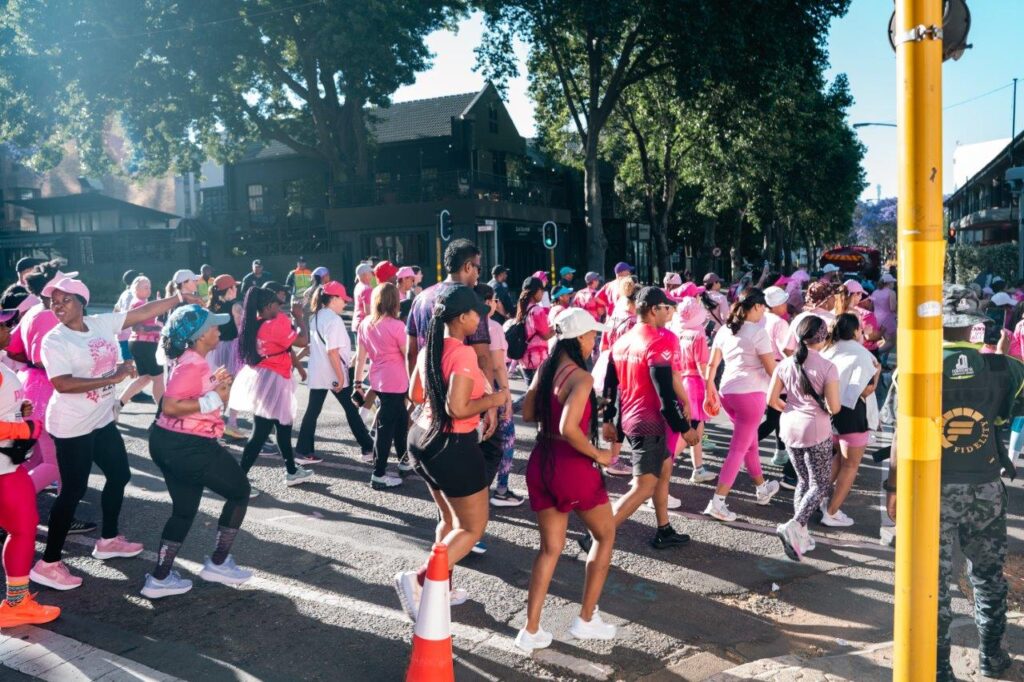
Last year attracted 3,100 participants. This year, 4,300 people took to the route, including runners, walkers, families and friends united by a common purpose.
The growth reflects more than the popularity of a fitness event. It demonstrates how public spaces and community experiences can create opportunities for people to participate in causes that affect everyday lives.
Whether someone was chasing a personal best, walking with friends or simply showing up in support, every entry contributed to a bigger outcome.
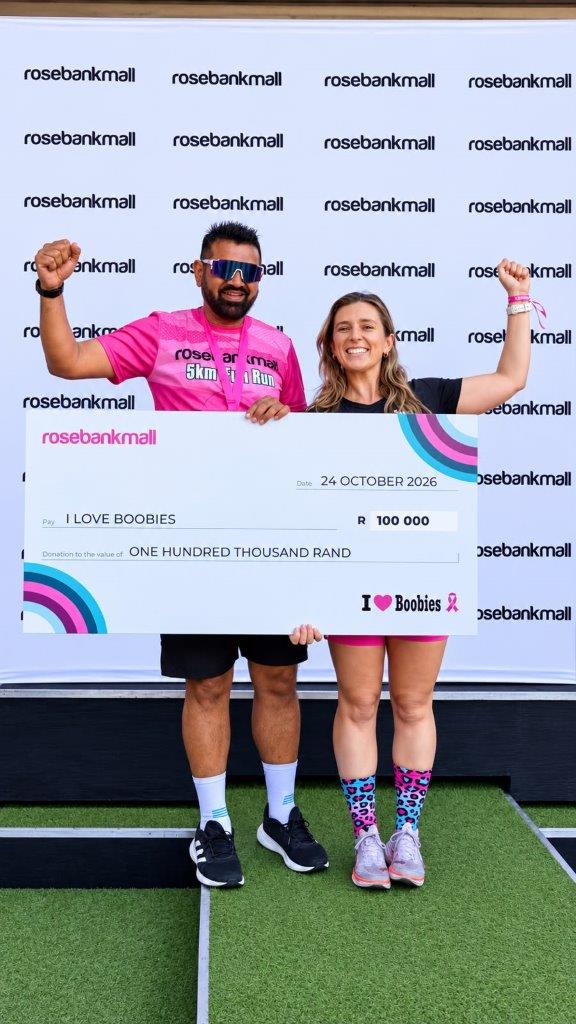
And this year, that outcome is tangible: R100,000 raised for breast health organisation ILoveBoobies.
The Bigger Race Is Against Late Detection
Breast cancer remains the most common cancer among South African women, excluding non-melanoma skin cancer. According to the 2024 National Cancer Registry, approximately one in 28 women is at risk of developing the disease during her lifetime.
Yet access to screening remains a significant concern. ILoveBoobies estimates that only 5% to 10% of South African women undergo breast cancer screening.
For women in underserved communities, financial limitations and restricted access to healthcare services can make early detection particularly difficult.
The R100,000 raised through the Pink Run will help 200 women receive free breast health education and clinical screenings.
These services matter because awareness alone is not enough. Women also need access to reliable information, professional assessments and appropriate medical follow-up when something requires further investigation.
A recent ILoveBoobies initiative in Cape Town highlighted the importance of this work. Of the 91 women who received free clinical breast screenings, 19 were referred for further investigation.
It is a reminder that screening can identify potential concerns that might otherwise go unnoticed.
When Community Support Becomes Real Impact
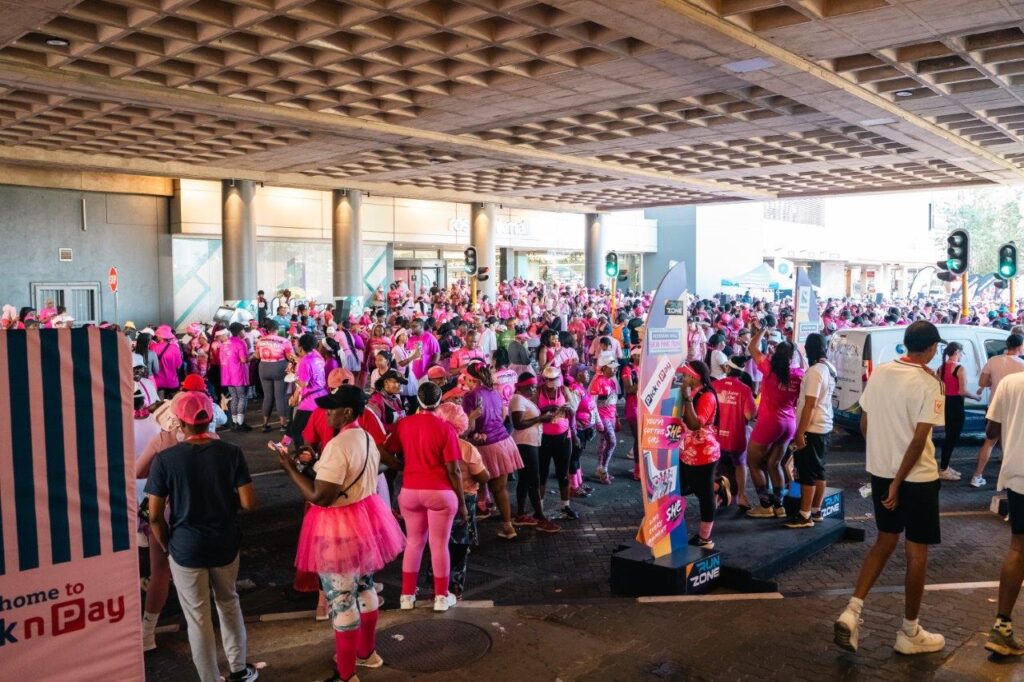
This year’s event also marked Rosebank Mall‘s partnership with ILoveBoobies, bringing the organisation’s signature Hype Zone to the route.
The activation added encouragement, energy and plenty of high-fives for participants making their way towards the finish line.
For Rosebank Mall Marketing Manager Angelisa Gengan, seeing the event grow from 900 participants to 4,300 represents the power of collective community support.
ILoveBoobies Director Nicky Webb also highlighted the importance of the partnership, particularly the opportunity to reach women who might otherwise have limited access to essential breast health services.
The event received additional support from several sponsors. Nedbank contributed R25,000 towards race costs, while The Hyde Hotel donated a R25,000 social media competition prize. Pick n Pay supplied 4,000 cupcakes and doughnuts for participants and a R5,000 voucher to support ILoveBoobies‘ operational needs.
Together, these contributions helped turn a community event into a meaningful fundraising effort.
Beyond the Pink Shirts and Finish Line
The real measure of the Rosebank Pink Run isn’t simply how many people crossed the finish line. It’s what happens after the event.
Two hundred women will have an opportunity to access breast health education and clinical screenings that could help them make more informed decisions about their health.
For Johannesburg’s urban communities, initiatives like this highlight an important idea: meaningful change doesn’t always begin with massive institutions or complicated campaigns. Sometimes it starts with people coming together, showing up and contributing to something bigger than themselves.
The Pink Run has grown from 900 participants to 4,300 in just three years. More importantly, it has demonstrated how community enthusiasm can translate into tangible support.
Because raising awareness is important, but making healthcare more accessible is where the real impact begins.