
What happens when you stop treating hunger as a problem one organisation must solve alone and start bringing young innovators, food suppliers, retailers and technology platforms into the conversation?
For KFC South Africa’s Add Hope programme, the answer is already taking shape: millions of additional meals, less food waste and new ways for everyday South Africans to contribute to the fight against child hunger.
A year after 60 young innovators participated in the Biggest Hunger Hack, ideas developed during the 2025 hackathon are being translated into practical solutions. The initiative is now helping Add Hope target 3.2 million additional meals in 2026, demonstrating how youth-driven innovation can move beyond brainstorming sessions and create measurable social impact.
From Young Ideas to Real-World Impact
The Biggest Hunger Hack challenged participants to rethink how Add Hope could feed more children using the resources, infrastructure and partnerships already available.
Instead of keeping the programme’s operating model behind closed doors, KFC invited young minds to explore how it could become more efficient. The result was a collection of ideas that challenged conventional approaches to food donations, procurement and distribution.
Now, those ideas are helping shape Add Hope 2.0, an expanded approach that combines customer donations with supplier partnerships, improved purchasing power, surplus food recovery and digital giving.
The bigger lesson? Young South Africans are not just waiting for opportunities to make a difference. Given the right platform, they can help develop solutions to some of the country’s most persistent challenges.

Making Every Rand Work Harder
One of the most significant developments is the focus on reducing the cost of feeding children.
Through its Partnering for Efficiency workstream, Add Hope is working with suppliers to reduce the cost of key ingredients. Contributions from McCormick, CPT, Digistics, SunSalt, Nature’s Garden, Unilever, Sovereign Foods and AFGRI amount to approximately R2.74 million in supplier support during 2026, translating into roughly 955,000 meals.
Partnerships with major retailers are also helping improve purchasing efficiencies, allowing available funding to stretch further.
Rather than relying exclusively on raising more money, the programme is exploring how existing resources can be used more effectively. It is a practical approach to social impact: sometimes, creating more value means changing how the system operates rather than simply increasing the budget.
Turning Food Waste Into Hope
Another important development involves food that would otherwise go to waste.
South Africa faces the difficult contradiction of food insecurity existing alongside substantial food loss and waste. A prototype app developed by the winning hackathon team explored how surplus produce from farms could be recovered and redirected to people who need it.
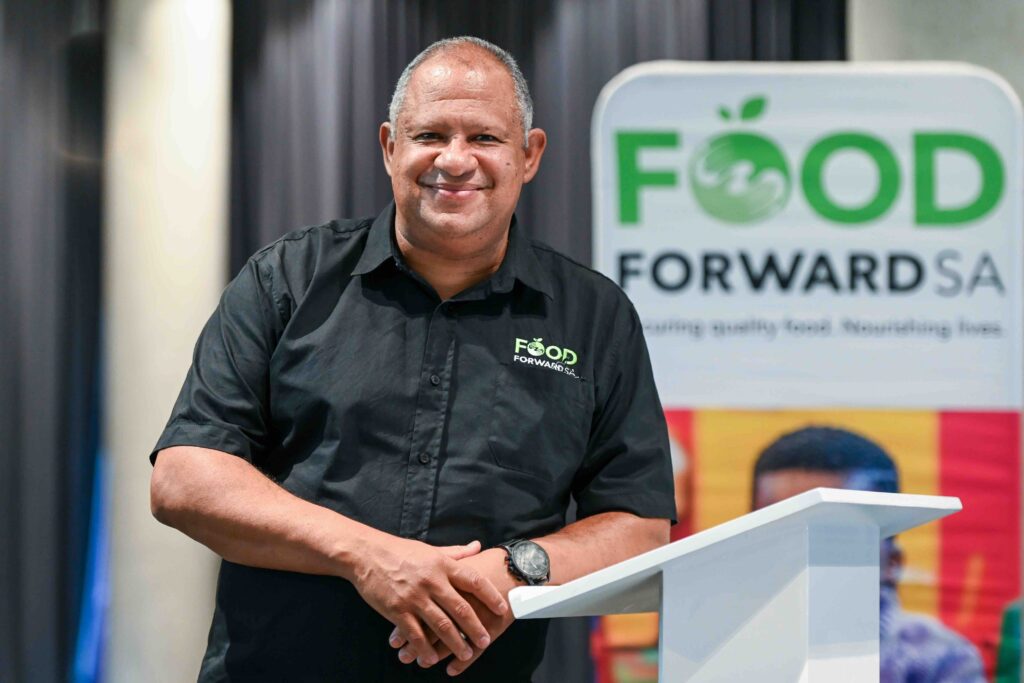
That concept has helped inform the collaboration between Add Hope and FoodForward SA, which connects surplus food from farms, retailers and restaurants with organisations serving vulnerable communities.
According to the announcement, the partnership is reducing Add Hope‘s food bill by 14% while supplementing conventionally purchased food with recovered produce.
The impact goes beyond the number of meals served. Recovering edible food can also reduce unnecessary waste, making food redistribution an important part of the conversation about sustainability and community support.
Digital Donations Meet Everyday Convenience
The hackathon’s influence is also reaching South Africans through their smartphones.
Donations to Add Hope are now available through Mr D and Uber Eats, creating another opportunity for customers to support feeding initiatives while ordering food.
Since launching in March 2026, the Mr D feature has generated R180,080 from 33,874 customer transactions. Further digital initiatives are expected to contribute another 200,000 meals, including opportunities involving KFC Rewards.
The approach recognises that participation does not always require a major financial commitment. By integrating donations into familiar digital experiences, supporting vulnerable children can become a more accessible part of everyday life.

The Bigger Picture: Feeding South Africa’s Future
Add Hope expects to provide 38 million nutritious meals to vulnerable children across South Africa in 2026, compared with more than 35 million in 2025. Its network includes 126 partner organisations operating more than 3,000 feeding centres nationwide.
These numbers represent significant reach, but they also highlight the scale of the challenge. Food insecurity continues to affect millions of South Africans, and no single company or organisation can address it independently.
KFC Africa People, Culture & Purpose Director Andra Nel says the programme’s evolution demonstrates the value of bringing different minds and organisations together. FoodForward SA managing director Andy du Plessis similarly highlights the potential of redirecting existing food resources towards communities experiencing vulnerability.
For young South Africans, the Biggest Hunger Hack offers a compelling reminder that innovation does not have to mean inventing the next big app or launching a start-up. It can mean identifying what is being wasted, questioning how things have always been done and building better connections between people who already have the resources to make a difference.
Perspective Shift: The real story behind the Biggest Hunger Hack is not simply about a corporate feeding programme serving more meals. It is about what becomes possible when young people’s ideas are taken seriously, partnerships move beyond promises and innovation is measured by its impact on real lives.