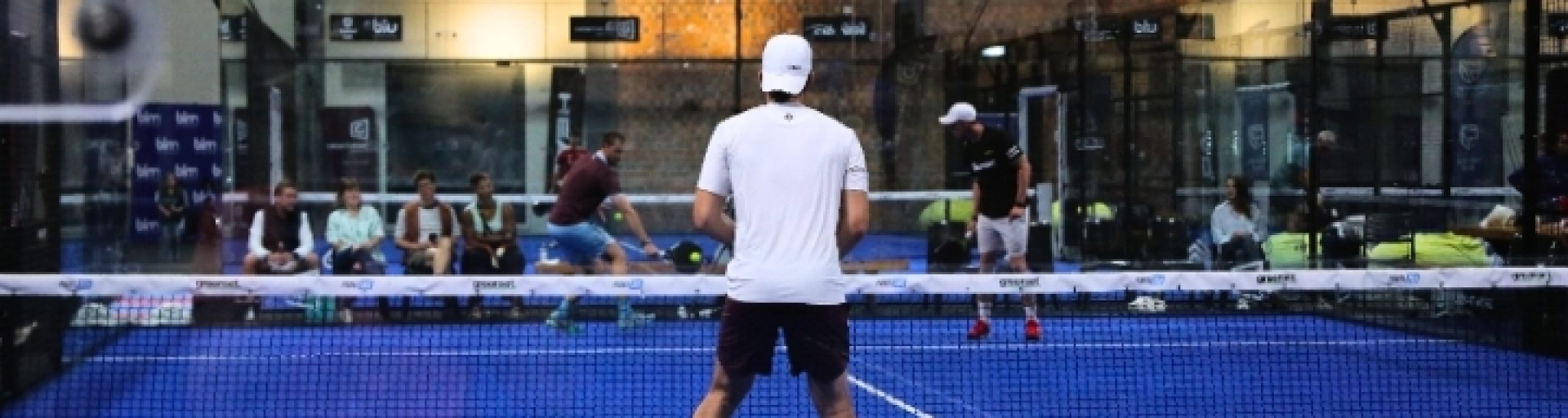
South Africa’s padel scene has reached a new milestone, with the inaugural Growthpoint SA Nationals Padel Championships 2026 crowning its first age-group champions in Cape Town. With 44 pairs competing across four divisions, the opening weekend brought together experienced players to compete for national honours in a sport rapidly building momentum across the country.
Held at Padel 365’s Century City and Richmond Park clubs, the first weekend concluded on Sunday, 11 October, marking an important step towards establishing a premier national competition for South African padel.
But this tournament represents more than a collection of trophies. It signals an ambition to give the country’s growing padel community a championship worthy of its talent.
Four Divisions, Four Sets of Champions
The opening weekend celebrated achievement across four age-group divisions, demonstrating that competitive padel offers opportunities for players across different stages of life.
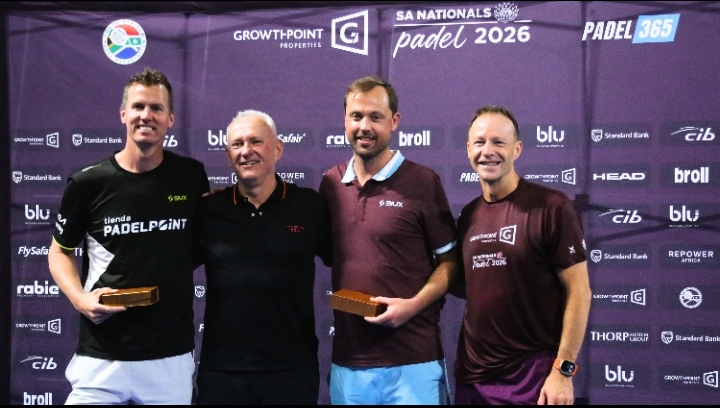
The champions were:
- Men 35+: Ockie Oosthuizen and Scott Whysall
- Men 45+: Paul Atkinson and Paul Waldburger
- Ladies 50+: Jackie Booth and Nannie de Villiers
- Men 55+: Robert Sulcas and Denton Goslett
Their victories established the first champions in the history of the Growthpoint SA Nationals Padel Championships, setting an early benchmark for a tournament organisers hope will become a major fixture on the local sporting calendar.
The results also highlight a dimension of padel that makes the sport particularly compelling: competitive opportunities extend well beyond the traditional image of professional sport as a pursuit reserved for younger athletes.
With divisions catering to players aged 35 and older, the championship celebrates experience, consistency and the competitive spirit that keeps people involved in sport throughout their lives.
Building a Bigger Future for South African Padel
For Growthpoint Properties, the tournament is part of a broader ambition to help elevate padel in South Africa by creating a competition that attracts the country’s leading players.
Norbert Sasse, Group CEO of Growthpoint Properties, was among the competitors, taking part in the Men 55+ division. His involvement brought a personal connection to the company’s sponsorship of the event.
Sasse described the sponsorship as the beginning of a longer journey, with the goal of establishing the championship as the most prestigious tournament on the South African padel calendar.
That ambition comes with an important question for the sport’s future: how can growing popularity translate into stronger competition, greater visibility and more meaningful opportunities for players?
The championship has a total prize pool of R125,000, supported by Growthpoint Properties, Standard Bank, Blu Label, CIB, Broll, FlySafair, Rabie, Repower Africa and Thorp Motor Group.
Sasse also highlighted the relationship between prize money and attracting top competitors, suggesting that increased financial backing could help make future editions even more competitive.
For South African sport, that connection matters. Building a recognised national tournament requires more than enthusiastic players; it also needs sustained investment, credible organisation and sponsors willing to support the sport’s development.
Cape Town Sets the Stage for the Open Division
The first weekend has delivered its champions, but the competition is not over.
The Open Division runs from 16 to 18 October, with the finals scheduled for Sunday, 18 October, at Padel 365 Century City. The next stage will bring the championship’s focus to its open categories, adding another chapter to this inaugural national event.
Coordinated by Padel 365 and the South African Padel Association, the championships aim to bring the country’s top players together under one national banner.
For fans following the growth of padel, the Open Division offers another opportunity to see how the sport’s competitive landscape is developing and which players will rise to the occasion.
More Than a Weekend of Winners
The inaugural Growthpoint SA Nationals Padel Championships arrives at a time when padel is attracting growing attention in South Africa. Establishing a national championship gives that momentum a competitive platform, with the potential to connect players, sponsors and supporters around a shared sporting ambition.
The long-term test will be whether the tournament can build on its first edition, attract increasingly strong fields and expand the opportunities available to players.
For now, four age-group divisions have their first national champions, and the Open Division is ready to take centre stage.
South African padel has a new milestone to celebrate. The next challenge is turning that milestone into a lasting sporting tradition.