
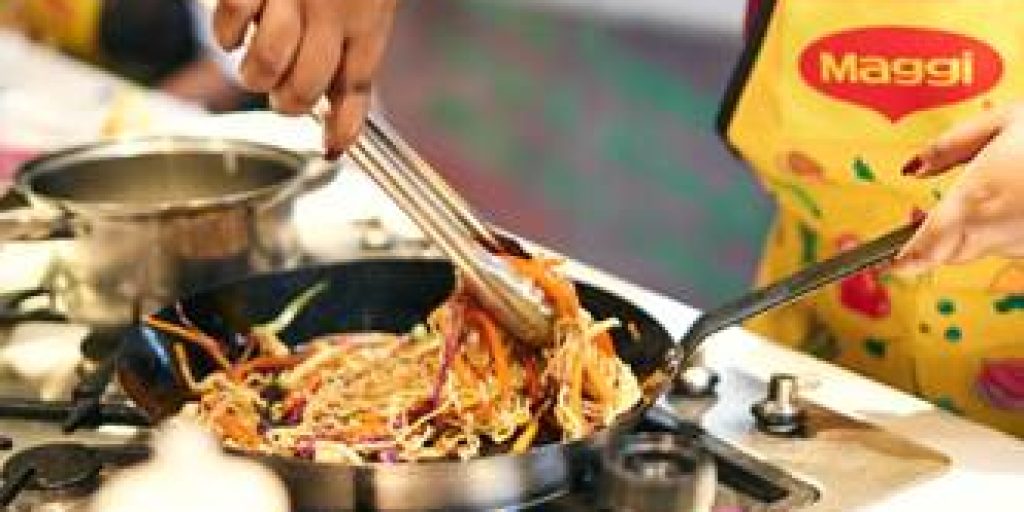
For students racing against deadlines, families stretching their grocery budgets and young professionals juggling demanding schedules, a quick meal can mean more than simply filling a plate. Sometimes, it’s about making the most of what’s available, sharing a moment with someone or getting through another busy day.
This World Food Day, celebrated on 16 October, MAGGI South Africa is reflecting on how a simple food innovation has become part of everyday life for households across the country. From its introduction of instant noodles to the local market in the 1990s to its latest chicken-flavoured recipe improvements, the brand is putting convenience, taste and nutrition at the centre of its story.
But in a country where household budgets remain under pressure, the bigger question is how everyday food can continue to deliver value without losing the flavour and familiarity people enjoy.
From a Noodle Pioneer to a South African Staple
When MAGGI introduced instant noodles to South Africa in the 1990s, it brought a new level of convenience to a familiar food category. The idea was straightforward: combine distinctive flavour with quick preparation and nutritional fortification to create an accessible option for busy households.
Today, that legacy continues through MAGGI’s locally manufactured noodles, produced at Nestlé’s Babelegi Factory in Tshwane.
According to Basetsana Sebata, MAGGI Brand Manager at Nestlé East and Southern Africa Region, the brand spent more than six years listening to South African consumers and refining its recipe.
The result is an improved chicken flavour designed to retain the taste consumers recognise while incorporating real herbs and spices, alongside iron fortification.
In an increasingly competitive instant noodle market, the challenge is not simply to keep up with changing tastes. It is to improve a familiar product without losing the qualities that made it a household favourite in the first place.
The Reality of Eating Well on a Budget
World Food Day 2026 carries the global call to action, “Innovate today. Nourish tomorrow.” For many South Africans, that message connects directly to the everyday challenge of balancing affordability, convenience and nutrition.
Statistics South Africa reported annual food inflation of 1.1% in August 2026. However, slower inflation does not mean household food costs have stopped rising. The Pietermaritzburg Economic Justice & Dignity Group’s Household Affordability Index placed the average low-income household food basket at R5,479.80 that month, an increase of R99.18 compared with a year earlier.
Against this backdrop, accessible meal options remain relevant, particularly for students, young workers and families managing multiple expenses.
MAGGI’s refreshed packaging also introduces value-driven pack sizes intended to give consumers more choice when shopping. While convenience matters, the real test for any everyday food product is how well it fits into the realities of household spending.
Two Minutes, Endless Ways to Make It Your Own
Instant noodles are often associated with late-night study sessions, quick lunches and meals prepared when time is running out. Yet their versatility can make them useful beyond the basic bowl.
MAGGI suggests adding ingredients already available at home, including eggs, spinach, grated carrots, beans or leftover protein, to build a more balanced meal.
For a student, an egg and some vegetables can turn a quick snack into a more substantial lunch. For a household looking to use leftovers creatively, noodles can provide a convenient base for a simple meal without requiring an entirely new shopping list.
These additions matter because convenience alone does not guarantee a nutritionally balanced diet. What goes into the bowl can make a difference, and consumers should consider the nutritional information on packaging when deciding how a product fits into their overall diet.
More Than Convenience: The Connection Around Food
Food has a way of bringing people together, even when the meal is simple. A shared bowl after a long day, a quick lunch between lectures or a late-night kitchen conversation can create moments of connection that have little to do with the price of what’s being served.
For MAGGI, that everyday familiarity remains central to its approach to innovation. The brand’s latest recipe improvement reflects an effort to evolve alongside consumers while maintaining a recognisable taste.
Ultimately, World Food Day offers an opportunity to look beyond what is on the plate and consider the systems, choices and everyday realities shaping how South Africans eat.
MAGGI’s two-minute promise speaks to a genuine need for convenience. But its longer-term challenge is equally important: continuing to make products that meet changing expectations around flavour, affordability and nutrition.
Because sometimes, innovation isn’t about reinventing the entire meal. It’s about finding a better way to make everyday food work for the people who depend on it.
For more information, follow MAGGI South Africa on TikTok, Facebook and Instagram.