
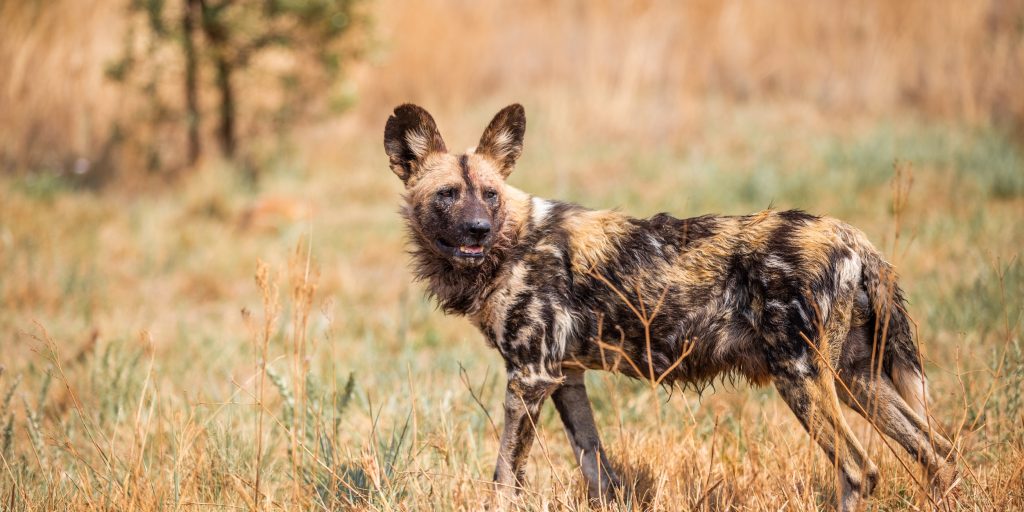
10 Wild Facts You Didn’t Know About African Wild Dogs This World Wild Dog Day
This World Wild Dog Day, celebrated annually on 26 August, the Bothongo Rhino & Lion Nature Reserve is shining the spotlight on one of Africa’s most remarkable and endangered predators: the African Wild Dog. Known for their striking coats, highly social packs, and incredible teamwork, these charismatic animals play a vital role in the balance of our ecosystems.
“African Wild Dogs are one of the most fascinating animals to observe and learn about. Their social bonds, resilience, and intelligence make them truly unique. This World Wild Dog Day, we want to inspire South Africans to celebrate and protect these animals, because they are an essential part of our natural heritage.”
says Didi Mahlo, field ranger at the Bothongo Rhino & Lion Nature Reserve
As part of its mission to protect wildlife and educate the public, the reserve shares 10 fascinating facts about African Wild Dogs and encourages visitors to see these incredible animals up close.
1. They are not actually “dogs.”
African wild dogs belong to the genus Lycaon, making them distinct from domestic dogs and other canids like wolves and jackals. Their scientific name, Lycaon pictus, translates to “painted wolf,” a nod to their unique, colourful coats.
2. Every dog has a unique coat.
No two African wild dogs share the same pattern. Their chaotic blotches of yellow, brown, black, and white are like fingerprints, allowing researchers to identify individual dogs.
3. They are one of Africa’s most endangered carnivores.
With only about 6,600 adults left in the wild, African wild dogs are listed as endangered on the IUCN Red List. Habitat loss, human conflict, and disease pose significant threats.
4. They have a 90% hunting success rate.
Thanks to exceptional teamwork and stamina, African wild dogs have a hunting success rate far higher than lions or cheetahs. Their endurance allows them to outlast prey during long, high-speed chases.
5. They vote on hunts by “sneezing.”
Before a hunt, pack members perform a series of social sneezes, a ritual believed to build consensus and signal readiness for the hunt.
6. The entire pack helps raise the pups.
Only the alpha pair breeds, but all pack members care for the pups, even regurgitating food to feed the young.
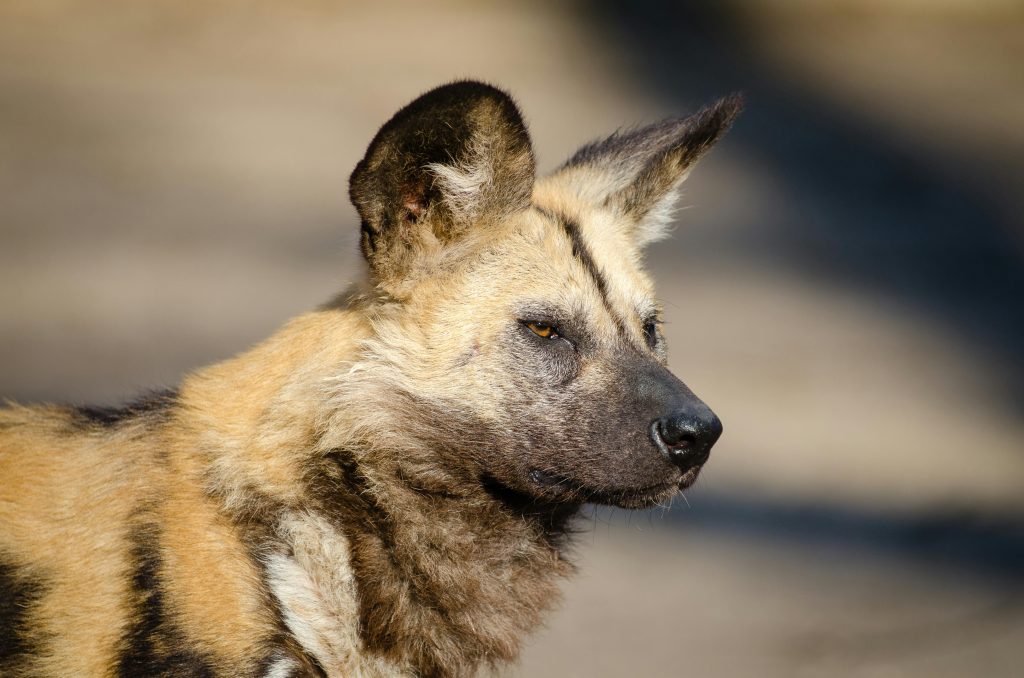
7. They have massive ears.
Their large, rounded ears help detect distant sounds and dissipate body heat, keeping them cool in the African sun.
8. They have only four toes.
Unlike most canids, African wild dogs have just four toes per foot and no dewclaws—a unique adaptation that supports speed.
9. They care for the old and sick.
Altruism is a hallmark of wild dog packs. Injured, sick, or older members are fed and cared for by others until they recover.
10. They have a very specific vocal range.
Instead of barking, they communicate with squeaks, hoots, and chattering sounds to coordinate hunts and movements.
Visitors to Bothongo Rhino & Lion Nature Reserve can witness African Wild Dogs up close during educational game drives and feeding sessions. By observing these incredible animals, the reserve aims to raise awareness about the importance of protecting them and their ecosystems.
For more information, visit https://www.rhinelion.co.za/ or follow the reserve on Facebook and Instagram.