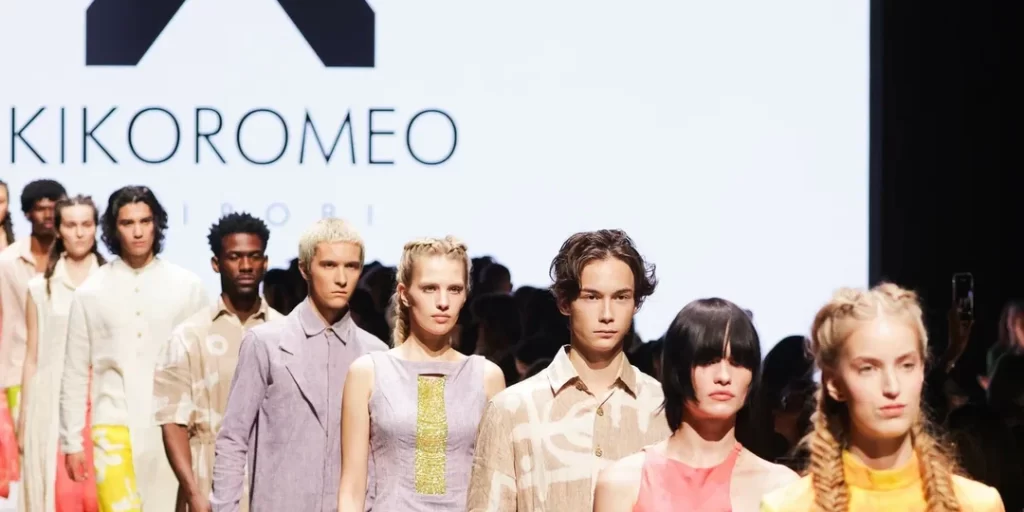
African fashion is speaking a global language, and Kenyan label KikoRomeo is making sure its cultural roots remain part of the conversation. At Moscow Fashion Week, the brand brought together traditional craftsmanship, contemporary design and the stories embedded in African textiles, showing how heritage can become a powerful tool for international connection.
Presented through a partnership between Nairobi Fashion Week and Moscow Fashion Week, KikoRomeo’s collection arrived at a moment when African designers are increasingly looking beyond familiar markets to build international audiences.
For South African creatives watching these developments, the message is significant: local identity is not a limitation. It can be the very thing that makes a brand stand out.
Turning Kenyan Heritage Into Contemporary Fashion
Founded by Iona McCreath, KikoRomeo builds its identity around the relationship between art, culture and fashion. Its Moscow presentation drew inspiration from the Turkana people of north-western Kenya, translating cultural motifs into geometric batik patterns and hand-painted designs on linen.
The collection’s appeal went beyond its visual impact. Cotton was woven on handlooms, while stamped batik designs were applied to brown fabric made from handmade yarn before dyeing. Hand-carved coconut-shell buttons completed garments for both men and women, all made in Kenya.
These details demonstrate how fashion can preserve and reinterpret traditional skills without treating heritage as something frozen in time. Instead, artisanal techniques become part of a contemporary design language that can travel across borders.
For a generation increasingly interested in authenticity, sustainability and the stories behind the products they buy, this approach offers an alternative to fashion driven purely by trends.
Why Moscow Matters for African Designers
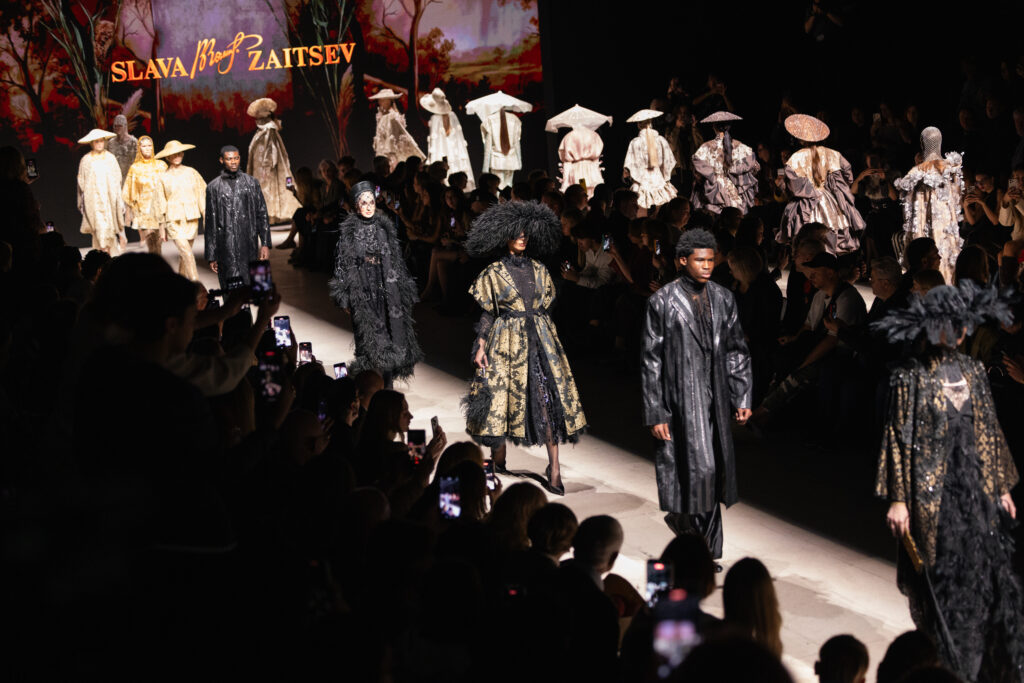
Moscow Fashion Week concluded on October 1 after six days featuring more than 350 designers from Africa, Asia, Europe, North America and Latin America. The programme brought independent labels into contact with an international audience of industry professionals, buyers, media and fashion experts.
For KikoRomeo, the opportunity was about more than placing garments on an international runway. It was about finding common ground between creative communities that may have different cultural histories but share an interest in art and storytelling.
“Every new opportunity opens another world,”
McCreath said, explaining that the brand sees potential for creative synergy with Moscow’s art scene.
She added that KikoRomeo’s purpose has always been to use art and fashion as a universal language to bring people together and build understanding across cultures.
That philosophy positions the collection as a cultural exchange rather than simply an export of Kenyan clothing.
What This Means for South African Fashion
South African designers are no strangers to the challenge of gaining international recognition while maintaining a distinct local identity. The collaboration between Soweto Fashion Week and Moscow Fashion Week has already created opportunities for South African designers to present their work in Russia.
Stephen Manzini, founder and CEO of Soweto Fashion Week and president of the South African Fashion Association, sees strong similarities between Johannesburg and Moscow.
Both cities, he explained, have designers driven by identity, passion and the desire to reshape how the world views fashion from their regions.
Manzini also highlighted the value of building relationships in unexpected markets, noting that the partnership has helped South African designers access opportunities within the Russian fashion industry.
For emerging South African labels, this offers an important lesson: international growth does not have to follow one established route. Strategic partnerships can open doors to new audiences, collaborators and commercial opportunities.
Beyond the Runway: Owning the African Story
KikoRomeo’s appearance at Moscow Fashion Week reflects a broader opportunity for African fashion: to compete internationally without stripping away the cultural context that makes each collection distinctive.
The challenge is to turn visibility into lasting relationships, sustainable business opportunities and recognition for the craftspeople whose skills help bring these designs to life.
For South African designers, the opportunity is equally compelling. From Soweto’s creative energy to Johannesburg’s growing fashion scene, there are stories, techniques and perspectives that deserve a place on the global stage.
KikoRomeo’s Moscow moment reinforces a simple idea: African fashion does not need to imitate the world to be understood by it. Sometimes, the strongest way forward is to tell your own story — and make the world pay attention.