
Shopping for a new television in 2026 should be exciting. Better picture quality, brighter displays and increasingly accessible technology mean that impressive home entertainment is no longer reserved for premium budgets. But there is a catch: not every television carrying the same technology label delivers the same experience.
Mini LED is a perfect example. While the technology promises improved contrast, deeper blacks and greater picture detail, the words printed on the box don’t necessarily tell shoppers what they are getting.
For South Africans looking to invest in a new screen, understanding what sits behind the marketing could make the difference between a genuinely impressive viewing experience and an expensive disappointment.
When Technology Becomes a Marketing Buzzword
Mini LED represents a meaningful advancement in television engineering. By using significantly smaller LEDs in a screen’s backlight, manufacturers can fit more light sources behind the display and divide them into independently controlled lighting zones.
This allows a television to illuminate bright areas while dimming darker sections of the picture, creating better contrast and more detailed visuals.
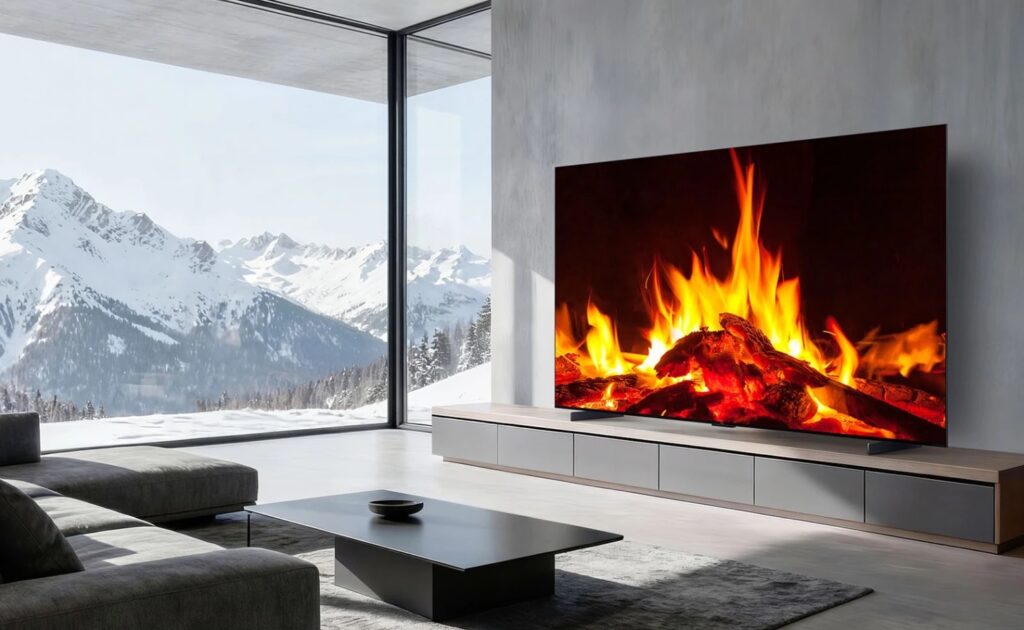
However, as the technology becomes more mainstream, its name is increasingly being treated as a guarantee of performance.
We’ve seen similar patterns with terms such as 4K, HDR and Smart TV. What began as meaningful technical descriptions eventually became familiar marketing language, making it difficult for everyday consumers to distinguish between genuinely impressive specifications and basic features packaged to sound premium.
Mini LED is now facing a similar challenge.
The Technology Behind the Label Matters
Here’s something worth understanding before your next television purchase: Mini LED describes the size of the individual LED chips used in a television’s backlight. It doesn’t automatically tell you how well the screen performs.
Two televisions can both carry the Mini LED label while producing noticeably different pictures.
The difference comes down to how the technology is implemented. The number of LEDs, their arrangement and the intelligence behind their brightness control all influence the final viewing experience.
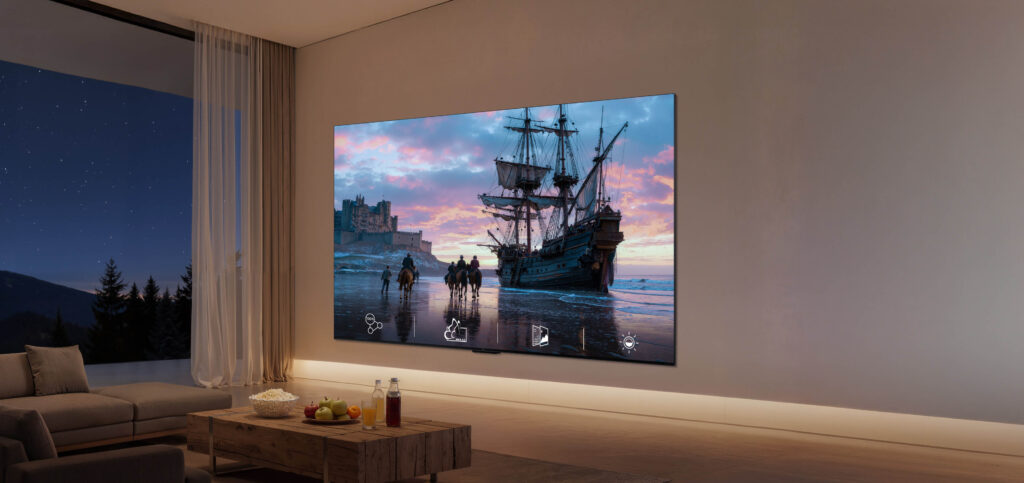
In practical terms, a well-engineered Mini LED television can produce deep blacks alongside bright highlights, while a less sophisticated implementation may struggle with light bleeding into darker parts of the picture.
That difference becomes particularly noticeable when watching films, playing games or viewing content with dramatic lighting.
Three Questions Worth Asking Before You Buy
Rather than relying entirely on a salesperson’s recommendation or the biggest marketing badge on the packaging, shoppers can look at three important specifications.
- Is local dimming controlled by hardware or software?
Local dimming determines how different sections of the backlight respond to what’s happening on screen. How this is controlled influences how accurately a television manages light and dark areas.
2. How many dimming zones does it have?
Dimming zones are independently controlled sections of the backlight. Generally, more zones provide greater control over contrast and reduce unwanted light around bright objects against dark backgrounds. However, the quality of the processing also matters.
3. Does it use a full-array or edge-lit backlight?
A full-array backlight places LEDs behind the screen, allowing different areas to be controlled more directly. Edge-lit designs position their light sources around the edges, which can limit local dimming precision.
These questions offer a much better starting point than simply asking whether a television is Mini LED.
Why Transparency Matters for South African Shoppers
As Mini LED technology moves beyond flagship televisions and into more accessible price categories, consumers need better information to make informed decisions.
For households investing in entertainment technology, the objective isn’t necessarily to buy the most expensive television. It’s to understand what their money is actually getting them.
Manufacturers such as TCL are beginning to provide more detailed information, including dimming-zone counts across their Mini LED ranges. This gives shoppers a useful reference point when comparing different models.
Ultimately, better technology should come with better transparency.
Mini LED has the potential to transform everyday viewing, but the label alone shouldn’t determine your purchase. Look beyond the packaging, ask better questions and compare the engineering behind the screen.
Because when it comes to your next television, what matters isn’t how impressive the technology sounds. It’s how good the picture actually looks.
For more information, visit TCL South Africa.