For many South Africans, the law can feel like a language spoken somewhere behind closed doors — full of complicated terms, intimidating processes and questions that are difficult to answer without knowing where to start.
That is exactly where Molao o Reng has found its purpose.
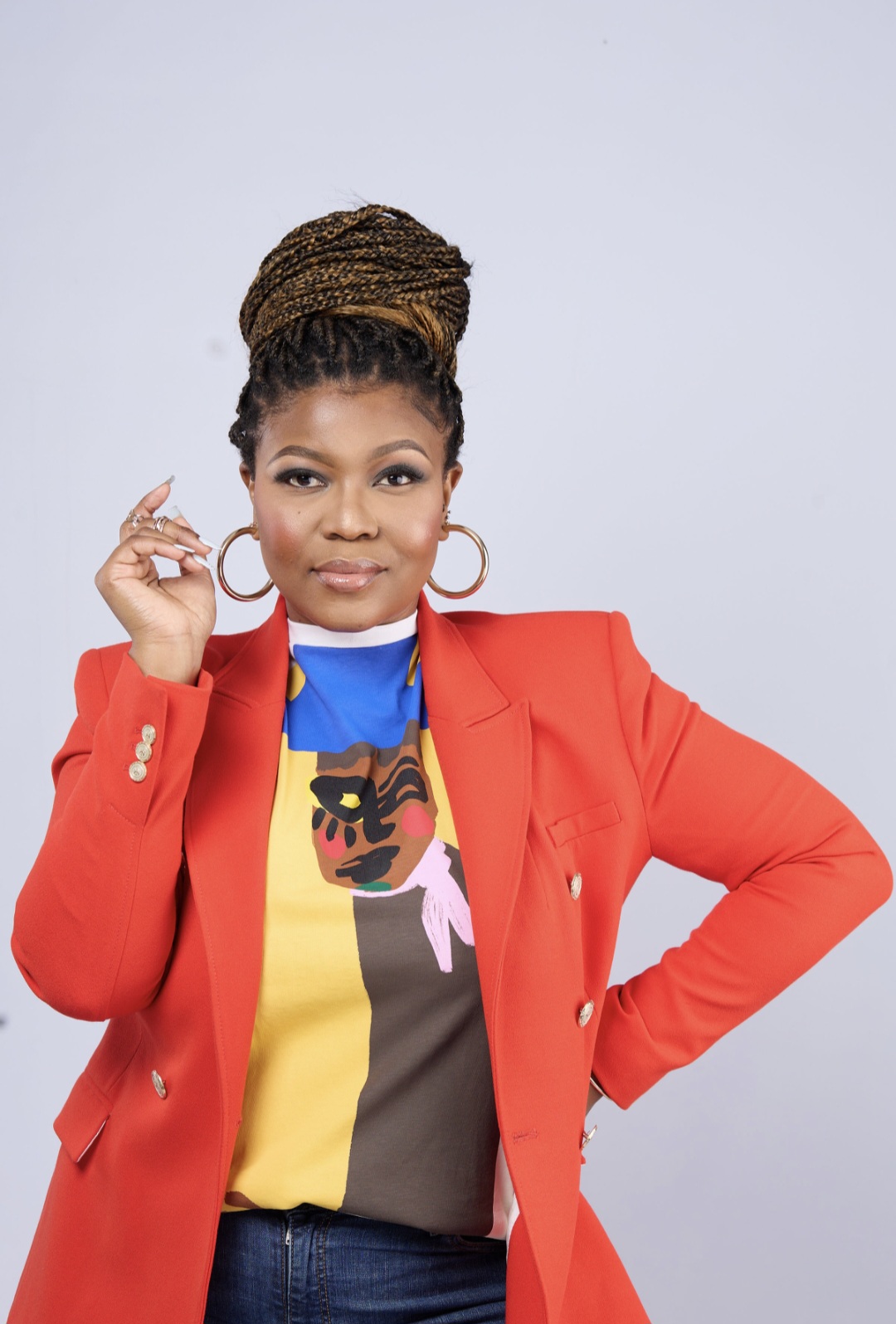
The Moja Love legal reality series has returned for a second season, with television and media personality Bibi Mbangula back in the presenter’s chair. But her return is about more than simply continuing a successful television format. It highlights the growing power of entertainment to make important information accessible to everyday audiences.
Season 2 is currently airing, with new episodes every Thursday at 17:00 and repeats at 20:30.
Turning Legal Knowledge Into Everyday Power
At its core, Molao o Reng tackles real-life legal challenges and brings audiences closer to the experts who can help unpack them.
That matters in a country where questions around rights, family disputes, employment, consumer issues and other everyday legal situations can have a direct impact on people’s lives.
Rather than presenting the law as something distant and academic, the show puts people and their experiences at the centre.
It is a format built around a simple but powerful idea: knowing your rights can change how you navigate the world.
For younger South Africans in particular, that kind of information can be incredibly valuable. From workplace disputes to contracts, relationships, money and personal responsibilities, understanding the basics of the law is part of becoming more confident and informed.

Why Bibi’s Presence Matters
Mbangula brings something to the format that cannot simply be scripted — connection.
Her career has moved across television, radio, live events, sports broadcasting and music, giving her experience communicating with audiences in very different spaces.
Her approach on Molao o Reng, however, leans heavily into empathy.
Legal stories are rarely just about legal technicalities. Behind every case is a person, a family, a workplace or a community dealing with consequences that can be deeply personal.
Mbangula’s ability to create an environment where people feel comfortable sharing those experiences has become an important part of the show’s identity.

Entertainment With A Purpose
The return of Molao o Reng also reflects a broader shift in South African media: audiences want entertainment that gives them something back.
The strongest formats are increasingly those that can make viewers laugh, think, question and learn — sometimes all within the same episode.
For Mbangula, returning for Season 2 means continuing that purpose-driven approach to storytelling.
The real measure of the show’s impact, however, is not simply ratings or popularity. It is whether someone watching at home walks away understanding a right they did not know they had, a process they did not understand, or a decision they can now approach with greater confidence.
That is where Molao o Reng moves beyond television.
It becomes a conversation about empowerment — one episode, one story and one viewer at a time.