For years, success in the creator economy was measured by followers, likes and viral moments. Today, however, South Africa’s digital creator landscape is undergoing a significant transformation. What was once viewed as a hobby or side hustle is increasingly becoming a viable career path and a powerful driver of youth entrepreneurship.
As the latest edition of One Big Week brings creators, brands and industry experts together, industry leaders are highlighting a new reality: the creator economy is no longer just about influence—it is about building sustainable businesses.
According to Davin Phillips, Executive Director at CSA and Chief Culture Officer at dentsu Influence with CSA, the industry has matured considerably in recent years.
“The creator economy has moved from chasing visibility to building real businesses,”.
says Phillips
Creators are increasingly generating revenue through multiple streams, including subscriptions, merchandise, events, services and long-term brand partnerships. More importantly, many are operating as fully-fledged businesses, employing editors, photographers, designers, managers and other specialists.
“The strongest creators are not only posting content. They are building communities, managing revenue and creating commercial value that can last beyond one campaign.”
Phillips explains
Creating Opportunities Beyond Content
One of the most significant developments in the creator economy is its potential to address youth unemployment.
Phillips believes initiatives such as One Big Week are crucial because they provide aspiring creators with access to industry knowledge, mentorship and business skills that are often missing.
“Young South Africans have talent and ideas, but many do not have access to the legal, financial and industry knowledge needed to turn that talent into a business,”.
he says
The creator economy’s low barrier to entry means many young people can start building careers with little more than a smartphone, internet access and creativity. However, the opportunities extend far beyond becoming an influencer.
“There is a major opportunity behind the camera. Not everyone has to be the face of the content.”
Phillips notes
Roles such as video editing, photography, copywriting, social media management, community management and creative strategy are increasingly in demand as creator-led businesses expand.
From Passion Project to Profession
For creator and Influencer Campaign Manager Lisa Nyamane, the journey into digital entrepreneurship began unexpectedly.
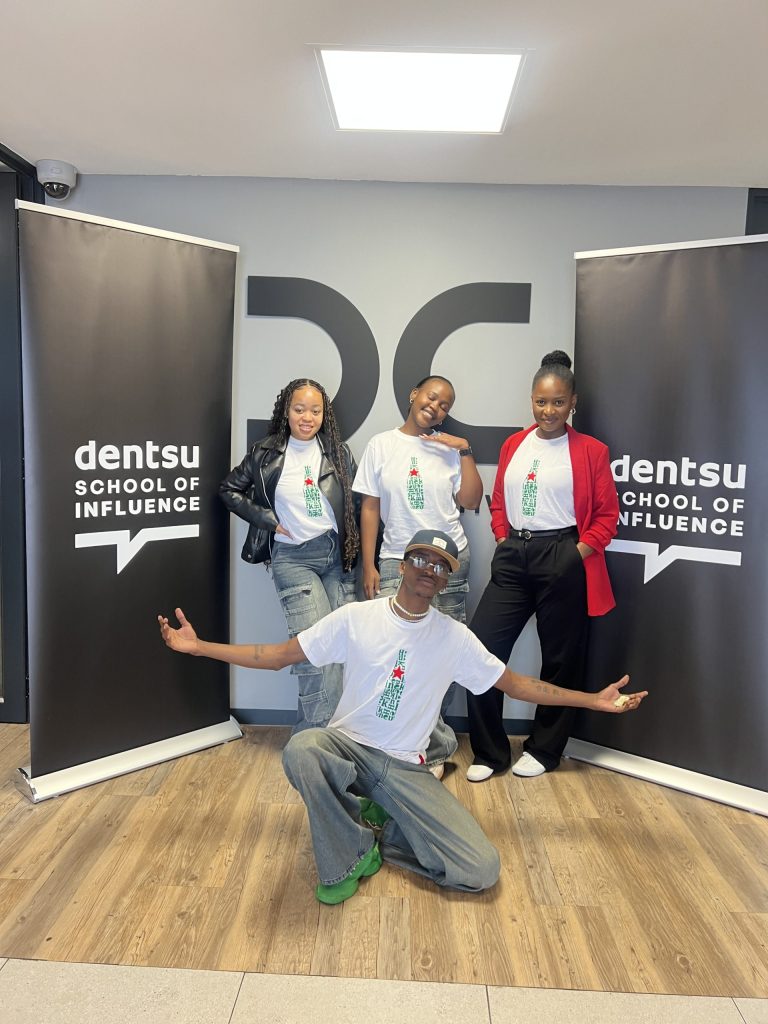
Her love for visual storytelling started during childhood, inspired by music videos and beauty content she discovered online. Initially, content creation was simply a creative outlet while she studied and helped with a family business.
After graduating and struggling to find employment, Nyamane launched a beauty tools business. While the venture ultimately failed, it became a valuable learning experience.
“It taught me valuable lessons about entrepreneurship, operations and what it takes to build something sustainable,”.
she says
During the COVID-19 lockdown, she began creating content more consistently. Makeup tutorials eventually evolved into fashion content, and before long, brands began approaching her for collaborations.
“That was the first time I realised the skills I’d developed could create real value for businesses,”.
she recalls
Today, Nyamane occupies a unique position within the industry, working both as a creator and as an Influencer Campaign Manager. This dual perspective has reinforced a key lesson.
“Sustainable digital entrepreneurship isn’t just about creating content. It’s about building skills, solving problems, creating value and continuously adapting as the industry evolves.”
she says
The Hidden Business Side of Content Creation
One of the biggest misconceptions young people have about becoming creators, according to Nyamane, is that success comes simply from posting content online.
“Social media often shows the highlight reel but not always the planning, relationship-building, negotiations, administration and uncertainty that happen behind the scenes,”.
she explains
Phillips agrees, stressing that creators must begin viewing themselves as business owners from the moment they start generating income.
“The moment a creator starts earning from campaigns, gifted products, travel, affiliate links, appearances, platform revenue or brand collaborations, they are operating as a business,”.
he says
This means understanding invoicing, contracts, record keeping and tax obligations.
“Financial management, SARS compliance, contracts and brand safety are not admin extras. They are what allow a creator to build a sustainable career.”
Phillips says
Creators also need to understand how contracts govern usage rights, exclusivity agreements, payment terms and content ownership—critical aspects that protect both creators and brands.
Success Looks Different in 2026
The definition of success in the creator economy has changed dramatically.
A few years ago, creators focused heavily on going viral and securing the next sponsored post. Today, long-term sustainability has become the goal.
| Then | Now |
|---|---|
| Going viral and growing followers | Building loyal, monetisable communities |
| One-off sponsorships | Multiple income streams |
| Solo creators | Small professional teams |
| Short-term visibility | Long-term media brands |
According to Phillips, creators who thrive in 2026 are those building businesses rather than simply chasing attention.
“It is about building a loyal community, creating multiple income streams, owning products or services and becoming a multi-platform media brand,”.
he says
Skills That Separate Creators From Entrepreneurs
Both Phillips and Nyamane agree that creators who want longevity must develop skills beyond content production.
Creative ability remains important, but successful creators also understand:
- Branding and positioning
- Financial management
- Negotiation
- Audience analytics
- Contract management
- Relationship building
- Entrepreneurship
- Strategic communication
“The biggest mindset shift, is moving from asking, ‘How do I grow my following?’ to asking, ‘How do I create value?’”
says Nyamane
Phillips adds that creators must become comfortable interpreting data and understanding audience behaviour.
“Brands are no longer only buying reach. They are buying credibility, relevance and measurable influence.”
says Nyamane
Building for the Long Term
Both industry leaders emphasise that sustainability depends on adaptability and credibility.
Nyamane encourages aspiring creators to focus on mastering skills before obsessing over numbers.
“Skills are what remain. Learn how to tell stories, understand your audience, communicate professionally, create consistently and deliver value.”
she says
Phillips offers similar advice, warning creators not to rely solely on a single platform.
“Algorithms change, platforms shift and audience behaviour moves. A creator who wants longevity should build across platforms and create owned channels such as a website, newsletter or database.”
he says
Perhaps most importantly, he stresses the importance of trust.
“Virality can open a door, but credibility keeps you in the room.”
The Future Is Bigger Than Influencing
As South Africa continues searching for innovative ways to tackle youth unemployment, the creator economy is proving to be more than a social media trend.
It is becoming an ecosystem that creates jobs, develops entrepreneurial skills and opens new pathways into the digital economy.
For a generation navigating a rapidly changing world of work, the message from industry leaders is clear: the future of content creation is not about chasing likes—it is about building businesses, creating value and unlocking sustainable opportunities for growth.