Inside the Invisible Engine Powering South African Retail
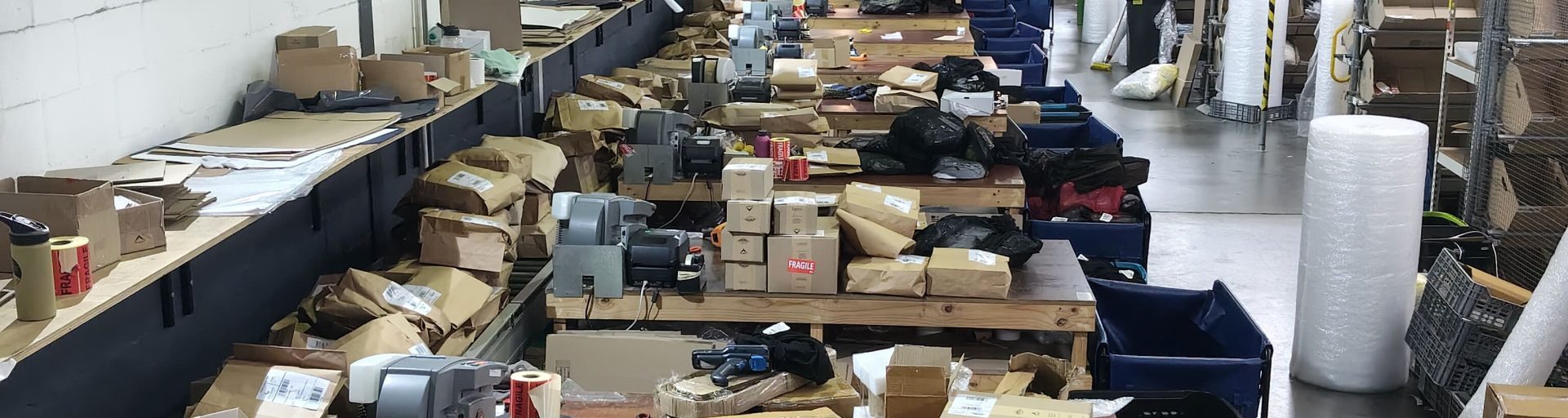
When a garment lands on a store rack or arrives at your doorstep, it carries more than just style—it represents a complex, coordinated system working behind the scenes. From factory floors to delivery routes, South Africa’s retail sector depends on a finely tuned network of manufacturing, logistics, and distribution.
At the heart of this system is Cape Union Mart International (CUMI), where nearly 900 employees keep operations moving seamlessly across manufacturing hubs and distribution centres. Leading this intricate ecosystem is Andy Thorvaldsen, whose philosophy centres on precision, predictability, and proactive planning.
For Thorvaldsen, the ultimate sign of success is when nothing goes wrong. Logistics, he explains, should be invisible—powered by anticipation rather than reaction. Every process is carefully designed long before it’s needed, ensuring a smooth and uninterrupted flow of goods.
Data at the Core of Efficiency
CUMI’s supply chain is deeply rooted in data. Every decision—from inventory levels to delivery timelines—is backed by continuous analysis. This commitment to evidence-based planning has yielded impressive results: despite inflation rising between six and eight percent since 2019, the company has maintained stable distribution costs per unit.
This level of efficiency highlights how technology and analytics are reshaping retail logistics in South Africa, turning supply chains into strategic advantages rather than operational burdens.
Local Manufacturing, Real Impact
In a market where many retailers rely heavily on imports, CUMI has doubled down on local production. The company invests over R265 million annually in Western Cape manufacturing, operating facilities like Green Thread and K-Way, alongside dedicated design centres.
This local-first approach doesn’t just improve speed to market—it strengthens communities. Through partnerships with black-owned cut, make, and trim (CMT) businesses, CUMI supports job security for around 150 workers while contributing to a broader economic ripple effect. With an estimated multiplier of five, the company’s 900 jobs help sustain roughly 4,500 livelihoods.
Beyond social impact, proximity gives CUMI a critical edge: the ability to respond quickly to shifting consumer demand without being constrained by international shipping timelines.
Infrastructure That Keeps Retail Moving
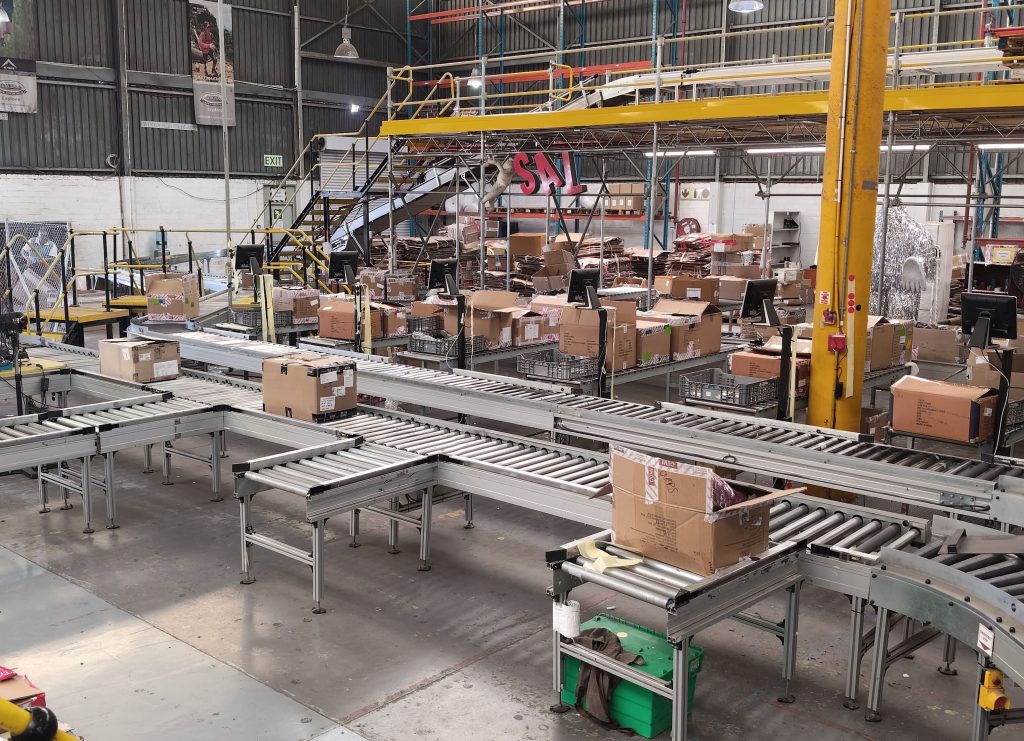
Behind the scenes, a robust logistics network keeps products flowing. One distribution centre serves 285 retail stores, while another is dedicated to online orders. Together, they manage hundreds of thousands of units at any given time, with the flexibility to shift stock between facilities as demand changes.
This interconnected system ensures that whether customers shop in-store or online, products are always within reach—delivered efficiently through a wider network of regional logistics partners.
The Power of Collective Intelligence
While technology and infrastructure play a vital role, CUMI’s true strength lies in its people. The company embraces a culture where every employee’s insight matters—from warehouse staff to management.
By tapping into this collective intelligence, the organisation continuously refines its processes. Small improvements at every level compound into significant gains, creating a responsive and adaptive supply chain.
Central to this philosophy is the concept of rhythm, inspired by the Japanese principle of Takt Time. Much like a heartbeat, it regulates the pace of production and distribution, ensuring resources and products move in harmony with demand.
Sustainability That Scales
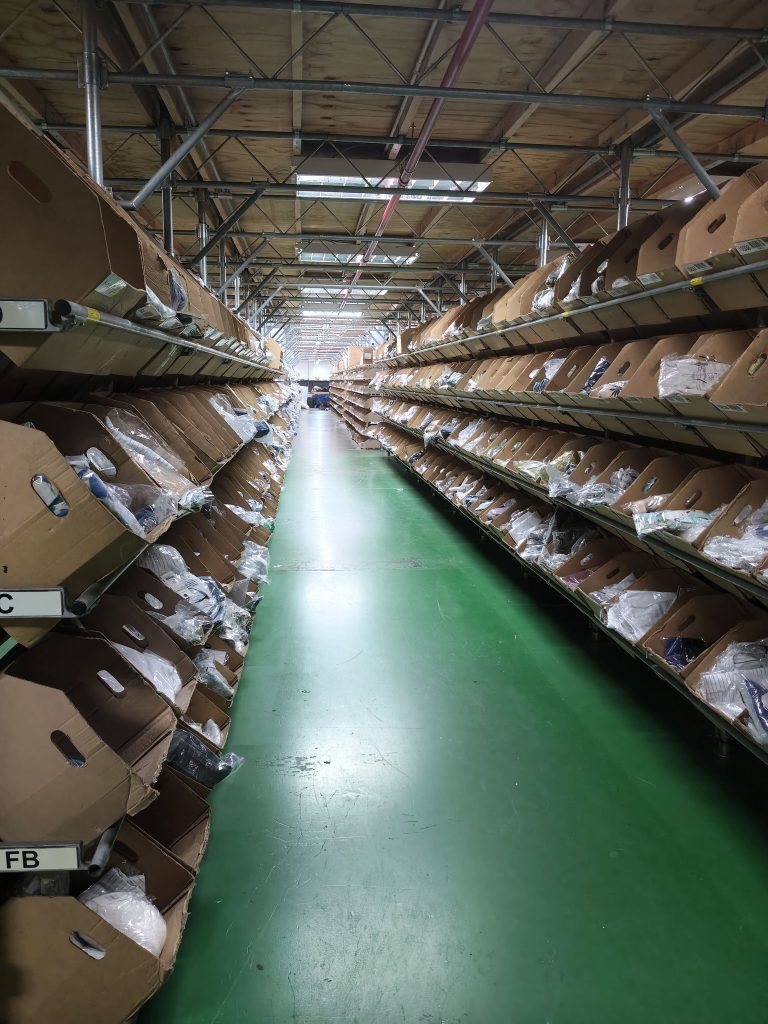
Efficiency at CUMI extends beyond cost control—it includes environmental responsibility. A standout initiative is its cardboard reuse programme, which recirculates cartons up to three times before disposal.
The impact is substantial: 300,000 cartons reused annually translate into saving 600 million litres of water, preserving 3,300 trees, and reducing landfill waste by hundreds of cubic metres. It’s a clear example of how sustainability and profitability can go hand in hand.
A New Blueprint for Retail
In an industry often defined by offshore sourcing and cost pressures, CUMI offers a different model—one that blends local manufacturing, data-driven decision-making, and human collaboration.
The result is a retail engine that runs quietly but powerfully in the background. Its steady rhythm—driven by innovation, sustainability, and shared purpose—keeps South African retail moving forward, one seamless transaction at a time.