Some artists entertain. Others challenge audiences to look at themselves differently.
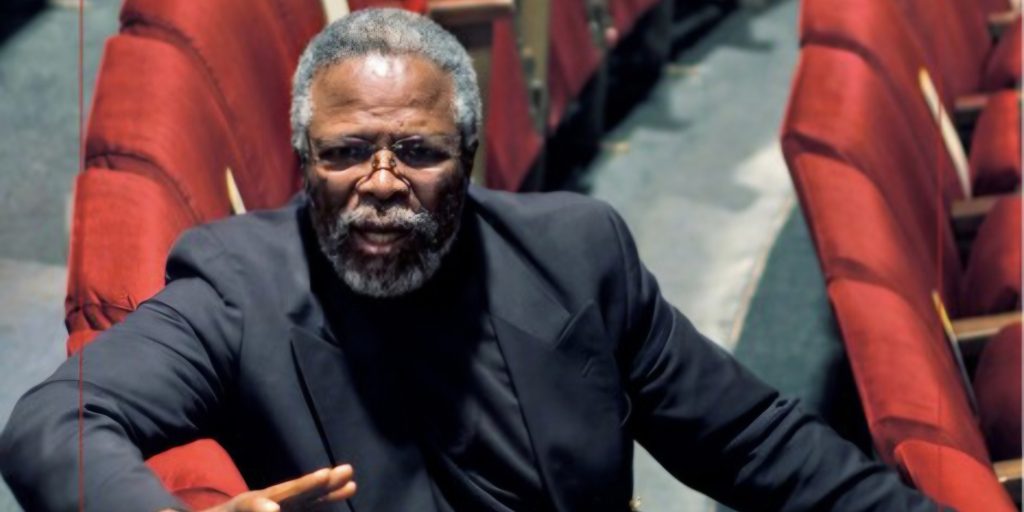
Dr John Kani belongs firmly in the second category.
From township rehearsal rooms in New Brighton to international stages and Hollywood productions, Kani’s six-decade career has been about far more than performance. His work has consistently asked difficult questions about power, inequality, democracy, identity and what it really means to build a different South Africa.
Now, the Apartheid Museum is bringing that extraordinary journey into focus with John Kani: A Living Legend, an exhibition running from 30 August to 30 November 2026.
For a new generation discovering South African theatre, it is an opportunity to understand where some of the country’s most powerful storytelling traditions came from — and why they still matter.

From New Brighton to the World
Born in New Brighton, Gqeberha, in 1943, Kani encountered theatre as a young man before joining the Serpent Players in 1965.
That experience changed everything.
The group increasingly moved away from simply performing established classics and began drawing from the realities surrounding them. Their work became a space where lived experience, political pressure and artistic expression could collide.
The arrest of fellow actor Norman Ntshinga became one of the moments that helped reshape the group’s creative direction.
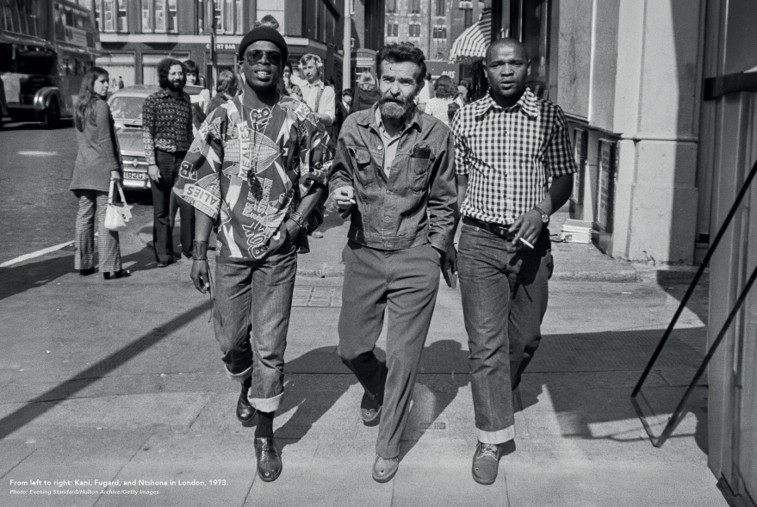
It was within this environment that Kani, Winston Ntshona and Athol Fugard developed The Island — a production that would eventually take their work far beyond South Africa.
The international success of the play helped establish Kani and Ntshona as major voices in what became known as protest theatre.
Theatre Was Never Just Theatre
What makes Kani’s legacy particularly relevant today is that his activism did not stop when apartheid ended.
His career expanded into leadership, institution-building and mentorship, including roles at the Market Theatre Laboratory and the National Arts Council. For more than 25 years, he has also helped guide the Apartheid Museum as chairman of its Board of Trustees.
That combination of artist and cultural builder is central to understanding his impact.
Kani has repeatedly argued for South Africa to develop industries where local actors, filmmakers and storytellers can build sustainable careers without seeing Hollywood as the only destination for their ambitions.
That conversation remains remarkably current.
Why His Legacy Still Matters
Young South Africans are creating films, theatre, music, digital content and visual culture at an extraordinary pace. Yet questions around access, funding, infrastructure and whose stories receive platforms remain.
Kani’s career offers a reminder that creative industries are not simply about entertainment. They can become spaces for questioning society, preserving memory and imagining something better.
The exhibition brings together photographs, text, artefacts and film to explore the ideas that have shaped Kani both on and off the stage.
More than a celebration of an icon, it is an invitation to revisit the power of storytelling — and to ask what today’s generation will do with it.
John Kani: A Living Legend runs at the Apartheid Museum from 30 August to 30 November 2026.