Rethinking Urban Work: Why the 15-Minute City Matters
The traditional model of work is under strain. For many South Africans, hours are lost each week sitting in traffic, commuting from suburban homes to offices in central business districts. Productivity, wellbeing and family time are often sacrificed in the process. But a global shift is gaining momentum – one that challenges the very foundation of how cities and work are organised. The 15-Minute City movement is no longer just a theory; it is reshaping how people live, work and interact in urban environments.
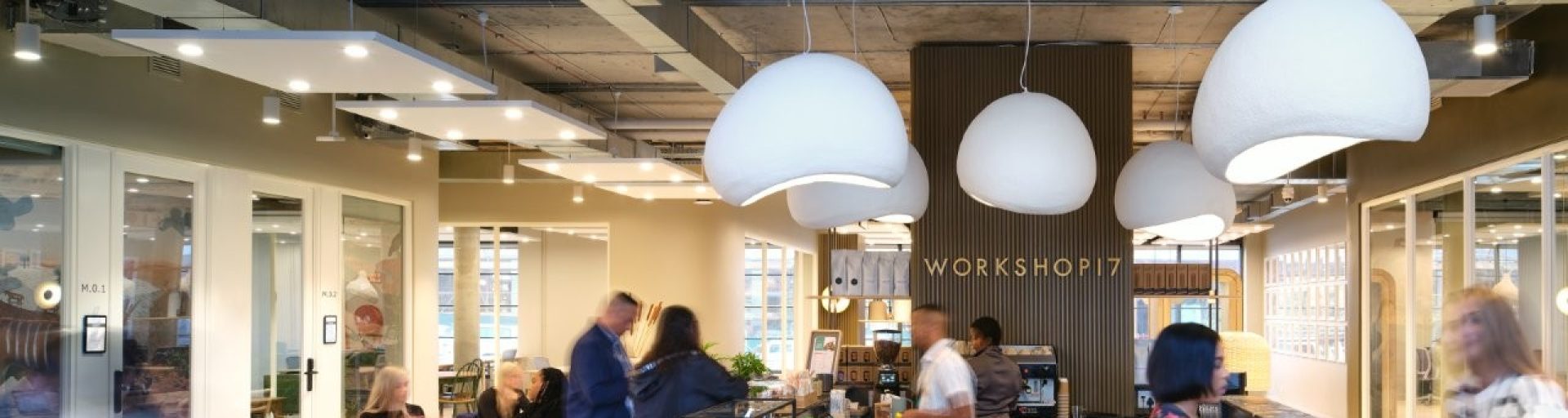
Paul Keursten, CEO of Workshop17, has seen firsthand how the geography of work influences performance, community participation and quality of life. In a country defined by sprawling cities and lengthy commutes, he believes that the 15-Minute City offers a valuable blueprint for South Africa’s future – one that brings professional environments closer to where people live.
A Human-Centred Urban Shift
The 15-Minute City concept was developed by Carlos Moreno of the Sorbonne and gained global visibility when Paris Mayor Anne Hidalgo adopted it as a central part of her 2020 urban mandate. The premise is simple: design neighbourhoods where daily needs – workspaces, schools, healthcare, recreation, retail and dining – are reachable within a 15-minute walk or bike ride.
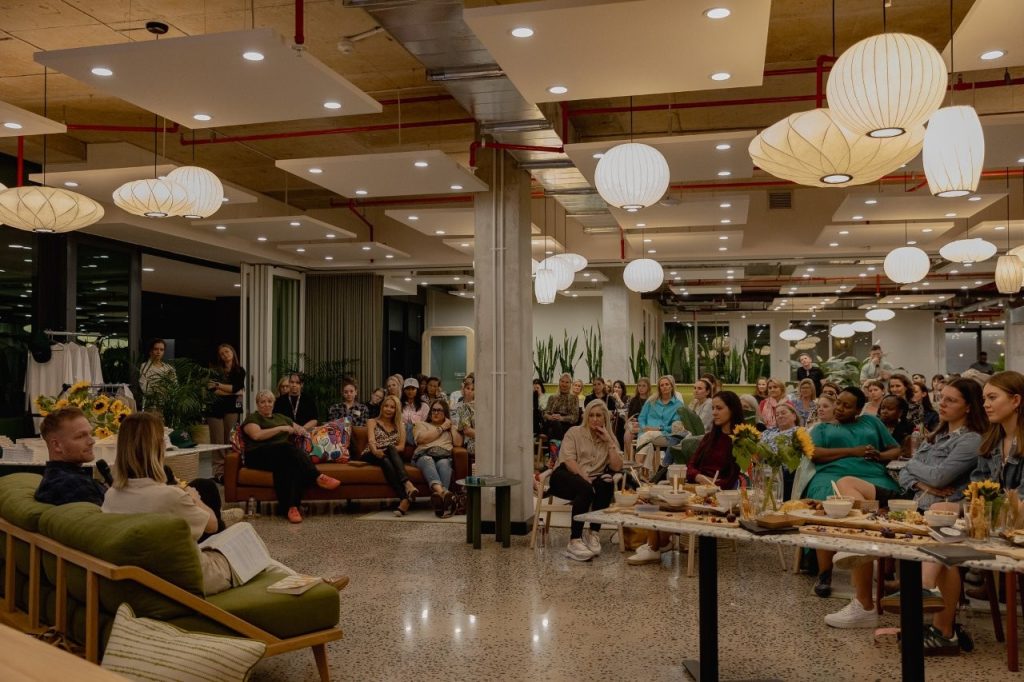
This idea challenges decades of car-centric planning by positioning cities as places where professional and personal life coexist seamlessly. It is not only about convenience; it is about elevating urban living, reducing environmental strain and nurturing stronger community connections.
The Problem with the Traditional Work Model
For countless professionals, commuting is the invisible tax of modern work. Hours lost on the road represent missed time with family, an erosion of wellbeing and diminishing productivity. The pandemic accelerated an important shift – proving that work is not solely defined by five days a week in a central office. Yet remote work also revealed new limitations, including isolation and blurred personal boundaries.
What emerged was a clear preference for hybrid solutions: professional workspaces close to home that offer flexibility, community and structure without the burdens of traditional commuting.
A Distributed Future of Work
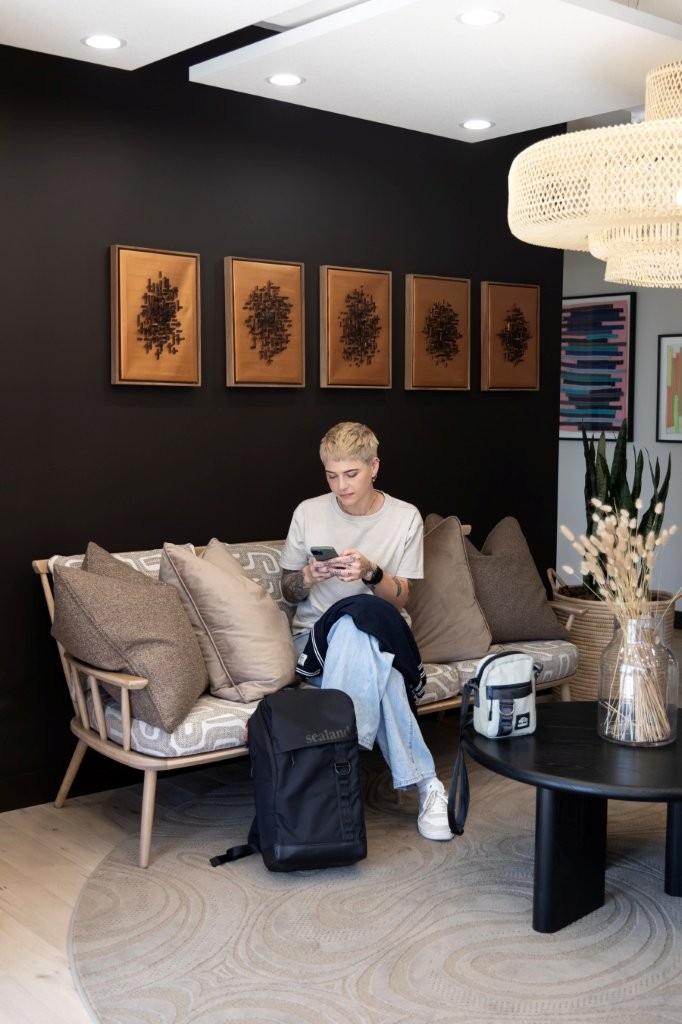
Moreno’s thinking suggests not merely expanding remote work, but rebalancing the very distribution of urban infrastructure. This means creating multiple centres of work and activity rather than concentrating everything in business districts. In this model, people no longer travel to work because they must – instead, work becomes accessible where they already are.
The result is powerful:
- Parents can alternate between meetings and family moments without losing hours to travel.
- Entrepreneurs can host clients professionally without investing in heavy office overheads.
- Businesses can provide employees with workspace options that reduce stress while maintaining organisational culture.
Work becomes embedded in everyday life, rather than existing as a distant destination.
Progress in South Africa
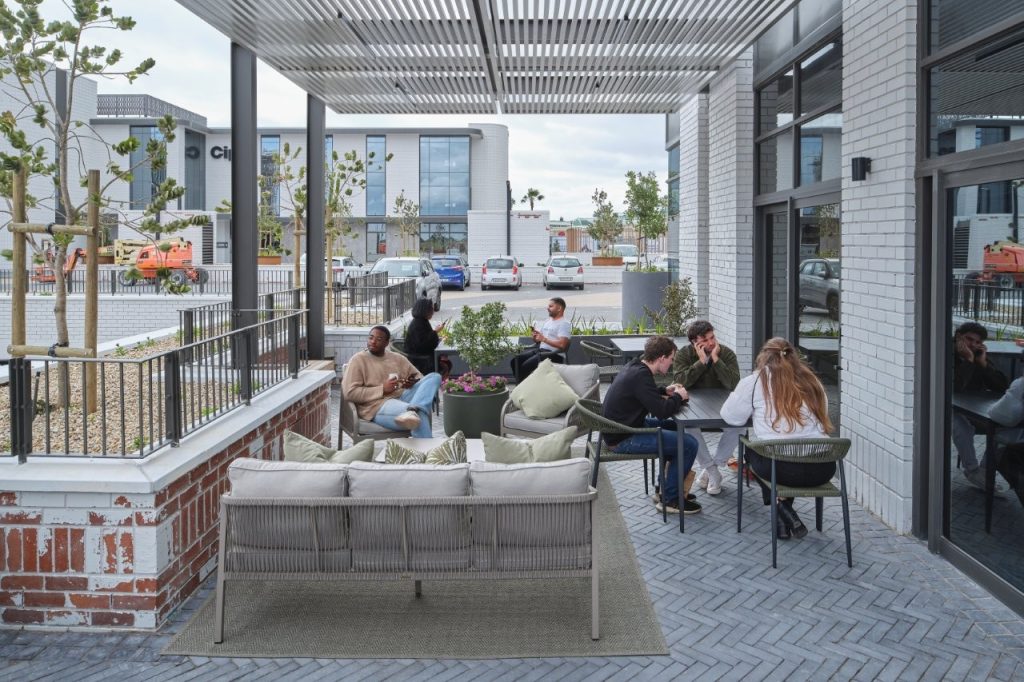
Several South African mixed-use districts are already moving in this direction. Areas like Newlands, Century City, Hyde Park Corner, Ballito and emerging hubs such as Muizenberg are redefining what modern work environments can look like. These communities blend high-quality workspace with restaurants, gyms, green spaces, retail and residential living – all within a short walk.
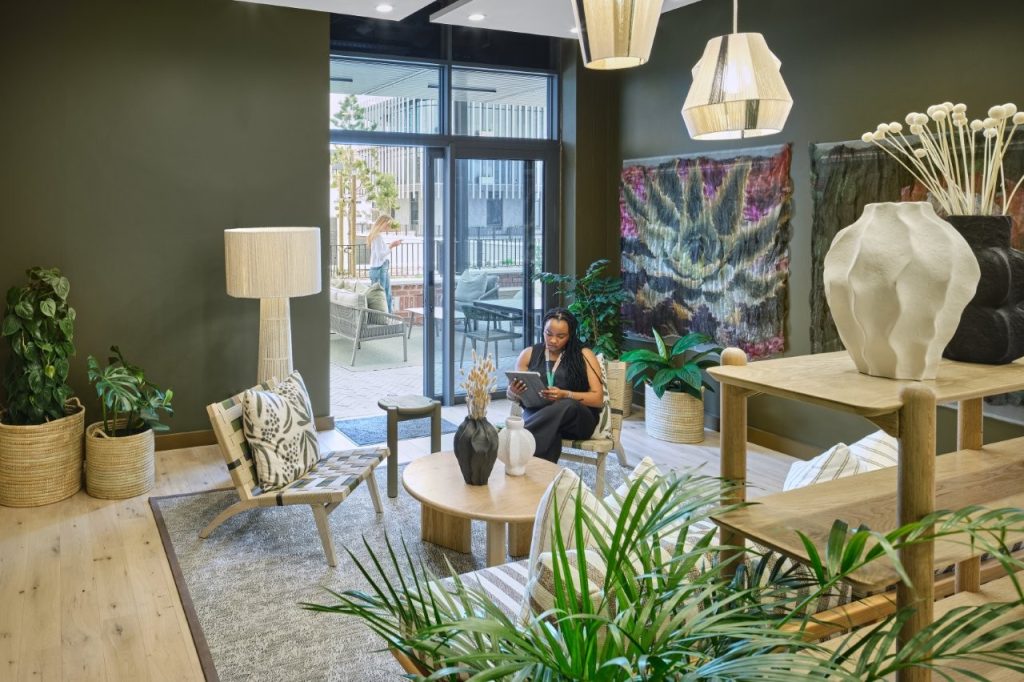
Workshop17 locations in these nodes deliver flexible professional environments with the design, technology and service of major CBD offices, yet with the benefits of walkable access and balanced daily living. It may not yet be the complete 15-Minute City, but the momentum is clearly building.
Sustainability Meets Economic Growth
The 15-Minute City also carries measurable environmental and economic benefits. Reduced dependence on cars lowers emissions and improves air quality, aligning with global sustainability goals. At the same time, when professionals work locally, money flows into neighbourhood businesses and services, strengthening suburban economies and fostering vibrant community life.
Far from replacing city centres, this model complements them – creating a more diverse and resilient urban landscape where professionals have real choices about where and how they work.
A Call for New Thinking
As South Africa’s business and urban development sectors continue to evolve, concepts like the 15-Minute City offer a compelling roadmap for a more sustainable, balanced and human-focused future. Realising this vision means challenging entrenched assumptions and investing in infrastructure that supports localised work-life integration.
The tools exist. The need is obvious. What remains is the willingness from business leaders and urban planners to rethink the geography of work and act on the opportunity.
For more information, visit Workshop17:
Website: www.workshop17.com
Email: info@workshop17.co.za
Tel: 021 205 9000
Follow Workshop17:
Instagram: @workshop17za
Facebook: Workshop17
X: @Workshop17za
LinkedIn: Workshop17
YouTube: @workshop17