Cape Town has welcomed a new luxury destination, but the latest hotel opening at the V&A Waterfront is about more than premium accommodation. The Cape Town EDITION, the international hospitality brand’s first African property, is bringing African art, South African flavours and contemporary design into a space built around the city’s identity.
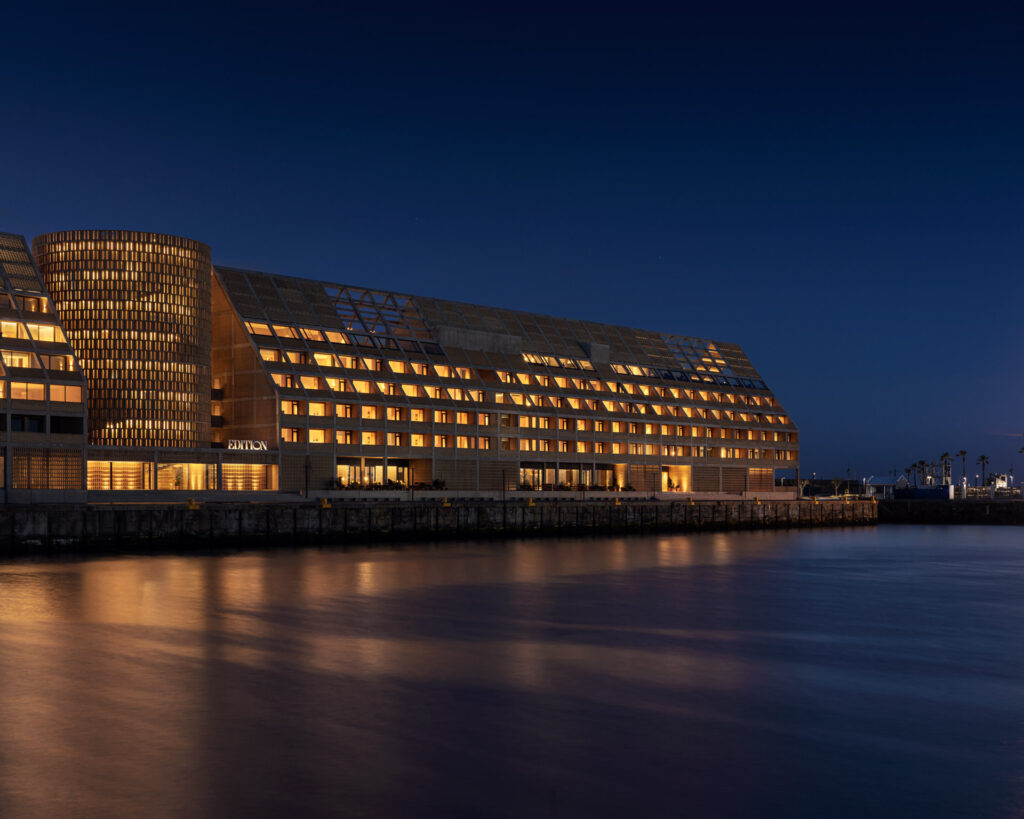
Located at Quay 7, overlooking the historic working harbour, the hotel positions itself at the intersection of Cape Town’s maritime heritage, creative energy and evolving lifestyle scene. Its arrival also raises an interesting question: what happens when global luxury meets the people, makers and cultural influences that give a destination its character?
More Than a Hotel, a New Cultural Meeting Point
With 142 guest rooms and suites, The Cape Town EDITION joins a global portfolio that includes destinations such as London, Tokyo and New York. However, its identity is firmly rooted in the Mother City.
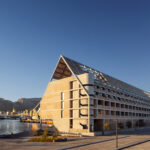
The property was designed by international architecture practice Neri&Hu in collaboration with Cape Town-based architects and professional firms. Its industrial-inspired architecture references the warehouses that once occupied the site, with more than six million bricks laid by hand to create a textured exterior.
At its centre is The Drum, a soaring cylindrical space open to the elements. A spiralling staircase leads to an outdoor viewing platform, offering perspectives across the harbour, Table Mountain and the Atlantic Ocean.
It is a design feature that connects the visitor experience to Cape Town itself, turning the surrounding landscape into part of the hotel’s identity rather than simply a backdrop.
The bigger story, however, lies in how the property incorporates African creativity into its interiors.
African Artists Take Centre Stage
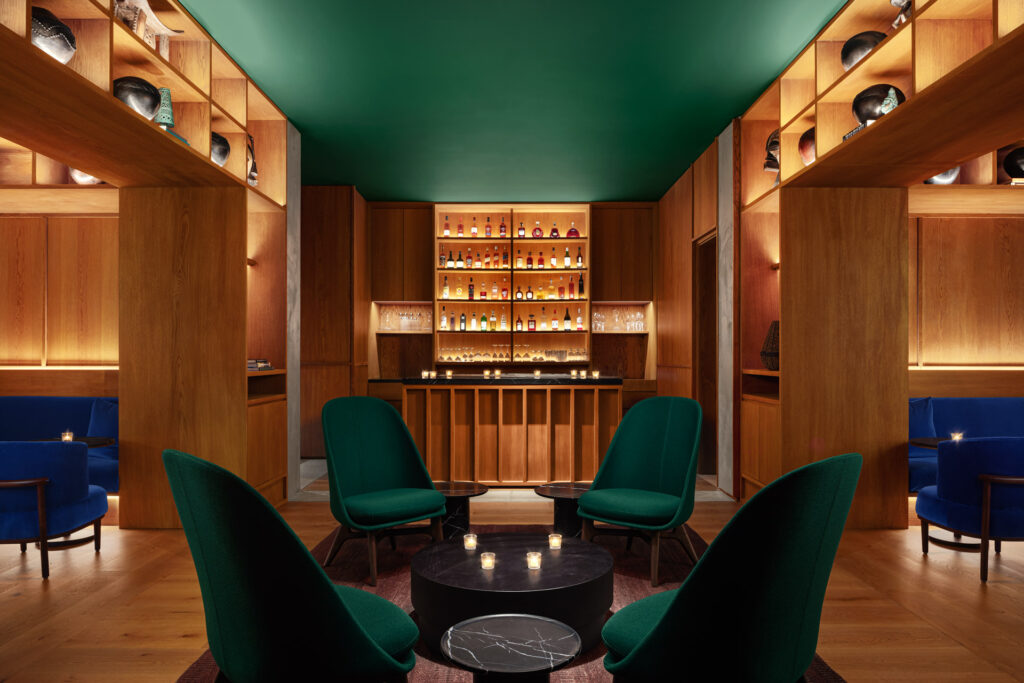
Rather than treating African art as a decorative afterthought, the hotel brings together established and emerging creative voices through a collection curated by Cape Town-based Southern Guild, alongside objects sourced by Design Network Africa.
Among the featured works are Zanele Muholi’s black-and-white photographic portraits in Punch Room, Usha Seejarim’s Fading Dish Cloth, created from hundreds of wooden clothes pegs, and smoke-fired ceramics by Chuma Maweni.
The collection also includes Zulu ukhamba vessels and mouth-blown recycled glass from Eswatini, highlighting the breadth of creative expression across the continent.
Local craftsmanship extends into the guest rooms, where custom furnishings and rugs woven by KwaZulu-Natal-based Shuttleworth Weaving bring another layer of South African design into the experience.
For the country’s creative industry, this kind of visibility matters. Hotels can become influential platforms for artists, designers and craftspeople, introducing their work to international travellers while creating opportunities to connect local creativity with a global audience.
The question is how these relationships will develop beyond the opening, particularly as the hotel builds its programme of cultural collaborations.
A Taste of the Cape, From the Coast to the Rooftop
Food and drink are central to the hotel’s approach, with Executive Chef Phil Carmichael and South African beverage partner George Hunter leading a programme spanning five restaurants and bars.
At Shale, the signature restaurant, seasonal menus draw on local farmers, coastal fisheries, winemakers and independent producers. Dishes include Saldanha Bay mussels served with curry velouté, seaweed salad and braised black rice, while a predominantly South African wine list reinforces the regional focus.
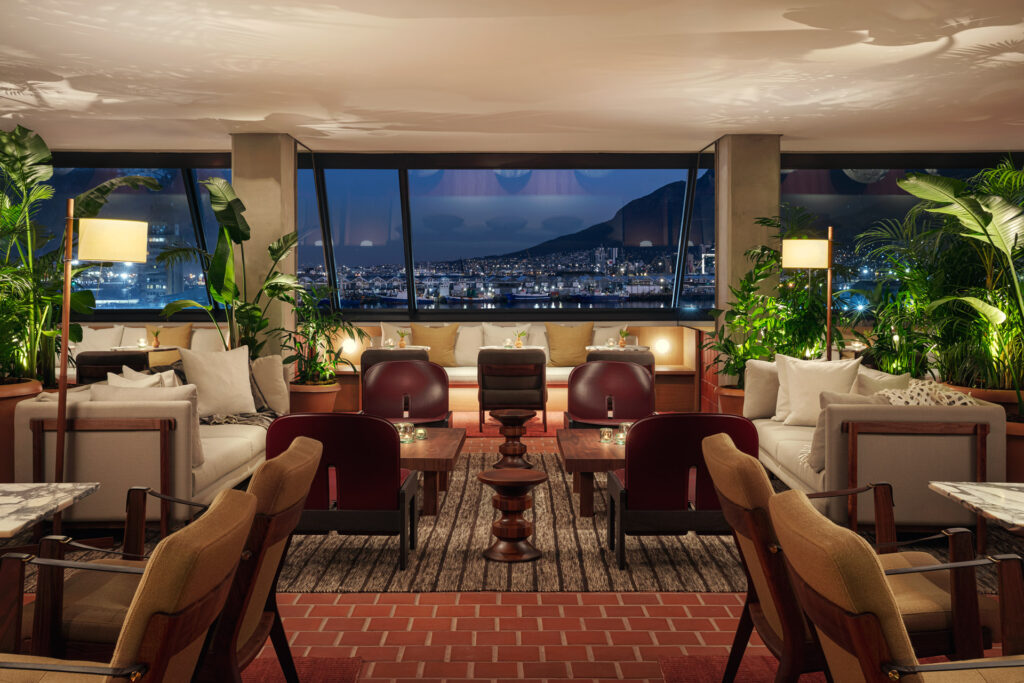
Upstairs, EAVE combines rooftop dining, a heated pool and panoramic views with cocktails, small plates and curated music programming. The Lobby Bar offers a more relaxed social setting, while Punch Room revisits the historic punch-house tradition through contemporary interpretations.
One standout is Brandewijn, a punch combining brandy, Pinotage, rooibos, pineapple, lemon and winter spice. Its ingredients bring together familiar South African flavours in a format shaped by the Cape’s layered culinary history.
The hotel also plans to host evolving collaborations with chefs, winemakers and creatives, alongside experiences such as rooftop stargazing.
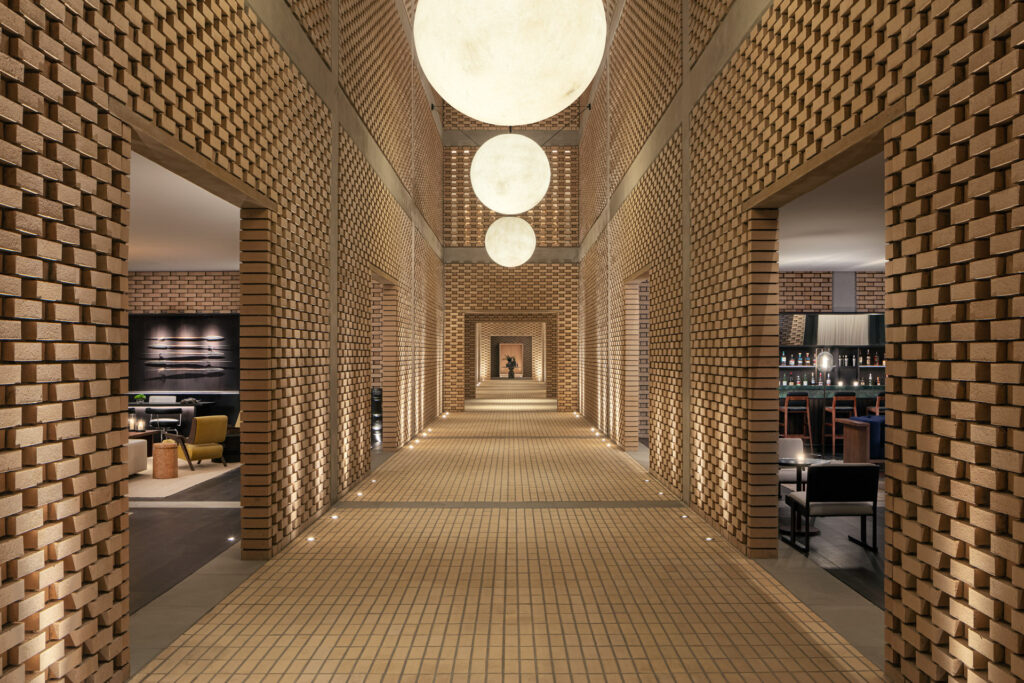
Can Luxury Hospitality Feel Local?
Beyond dining and design, the property includes a spa below sea level, a 24-hour gym, wellness sessions and event spaces accommodating everything from intimate gatherings to a ballroom event for up to 200 people.
Yet the hotel’s long-term relevance will depend on more than its facilities or international profile. Its ability to connect meaningfully with Cape Town‘s residents, creative communities and independent producers will help determine whether it becomes part of the city’s social fabric.
General Manager Leonie Andereya says the ambition is to create a place that feels as relevant to Capetonians as it does to international visitors, bringing people together through food, culture, creativity and conversation.
For Cape Town, the opening represents another chapter in the V&A Waterfront’s evolution as a destination for tourism, hospitality and cultural experiences.
For South Africa‘s creative economy, it offers a fresh opportunity to see local talent presented on an international stage.
And for a city whose identity has always been shaped by the meeting of different worlds, the real measure of success will be whether this new address gives people more reasons to connect with the Cape — and with one another.