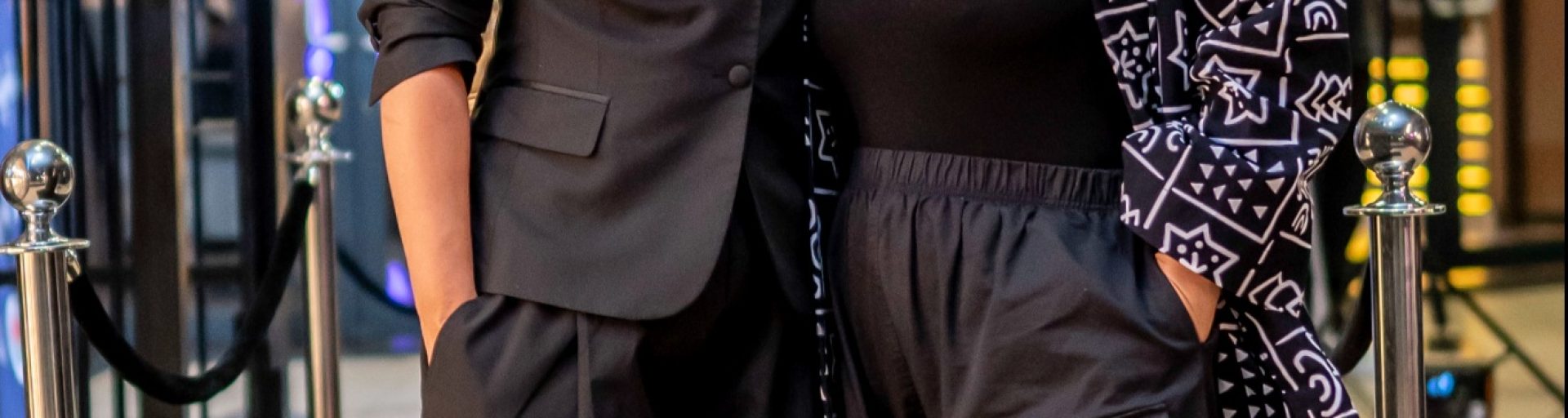
Eighteen years of challenging stereotypes, celebrating individuality and making space for voices that deserve to be heard. The Feather Awards has grown into something much bigger than a glamorous night on Johannesburg’s social calendar. It has become part of South Africa‘s ongoing cultural conversation about identity, equality, representation and the freedom to exist unapologetically.
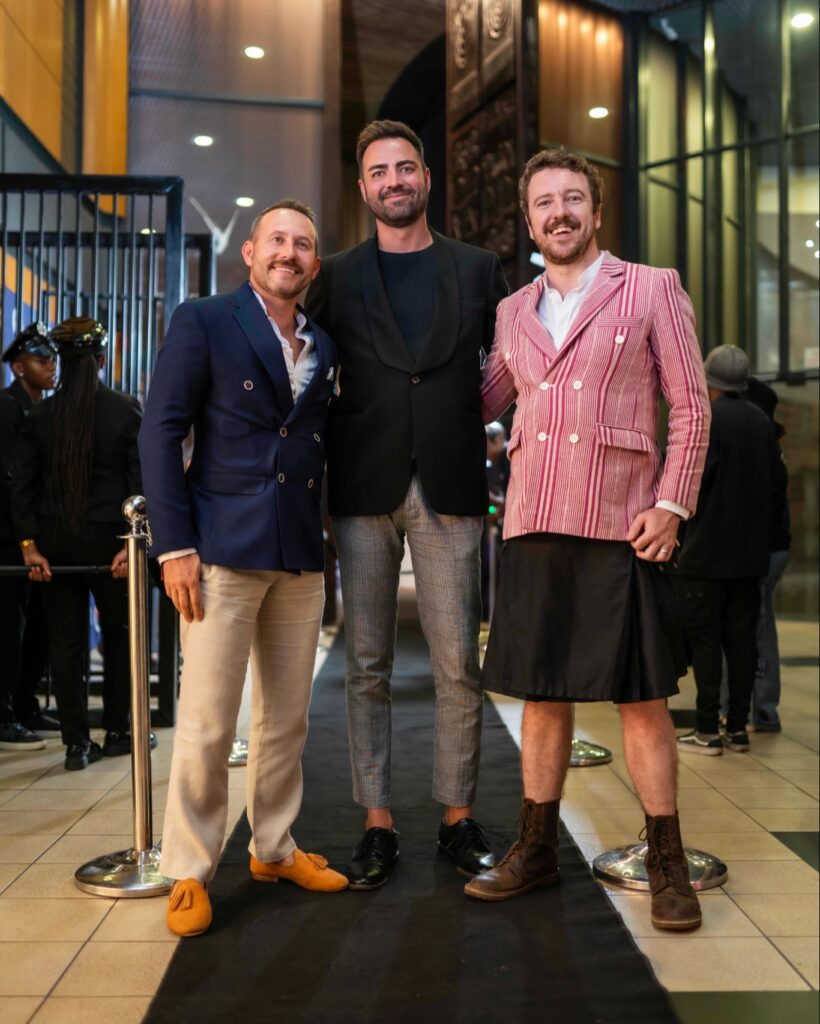
The 18th edition, themed The Signature Edition, brought together creatives, community leaders, advocates and allies to celebrate the people and organisations shaping a more inclusive society. But beneath the fabulous fashion, entertainment and awards was a bigger message: meaningful change is built by people who show up for their communities every day.

Eighteen Years of Making Visibility Matter
Since its beginnings, the Feather Awards has provided a platform for LGBTQIA+ voices, recognising individuals who challenge social expectations and create opportunities for greater acceptance.
The 2026 ceremony continued that legacy by celebrating contributions that extend beyond mainstream entertainment. Special recognitions highlighted people using their influence, leadership and platforms to create safer environments and shift perceptions.
Among the notable recipients were Coach Desiree Ellis, recognised as Sport Personality of the Year, Felicia Mabuza-Suttle as Role Model of the Year, and Hillary Shimi, who received the Global Feather of the Year for cross-border advocacy through the Namibian Lesbian Festival Pride PopUp.
Other recognitions went to Black Burns Fast for Media Platform of the Year and Salome Lebeko for the Rainbow Parenting Award.
These honours reflected the many different ways representation happens, from sporting institutions and media platforms to family structures and community-led initiatives.
Honouring the People Behind the Movement
One of the most significant developments this year was the introduction of two awards carrying powerful legacies: the Thami Dish Award and the Maria McCloy Award.
Formerly known as Designer of the Year, the Maria McCloy Award honours the late media powerhouse and her contribution to the industry. Maria was named its inaugural recipient, ensuring her influence continues to be recognised.
The inaugural Thami Dish Award went to Lelo Whats Good for amplifying LGBTQIA+ voices, celebrating authentic storytelling and using digital platforms to strengthen queer visibility.
Meanwhile, the Simon Nkoli Award was presented to entertainment veteran Baby Joe Correira, recognising a career defined by individuality, barrier-breaking and inspiration.
Other community honours celebrated Fanney Tsimong and Nhlanhla Ndaba, Thobeka Mbane, Other Village People, ABSA and Professor Zozo Nene.
The message was clear: progress is not driven by one type of person or institution. It takes a network of people willing to create opportunities, challenge exclusion and build communities where others can thrive.
South African Creativity Takes Centre Stage
The celebration also brought fashion into the wider conversation about cultural expression and economic empowerment.
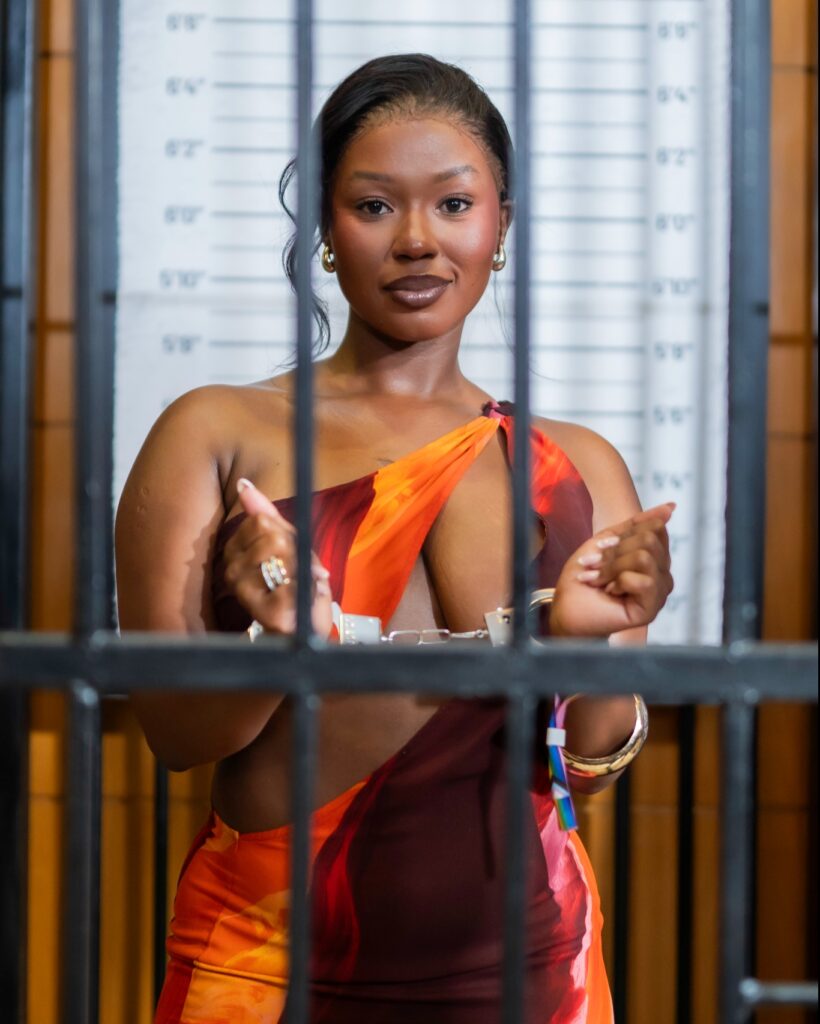
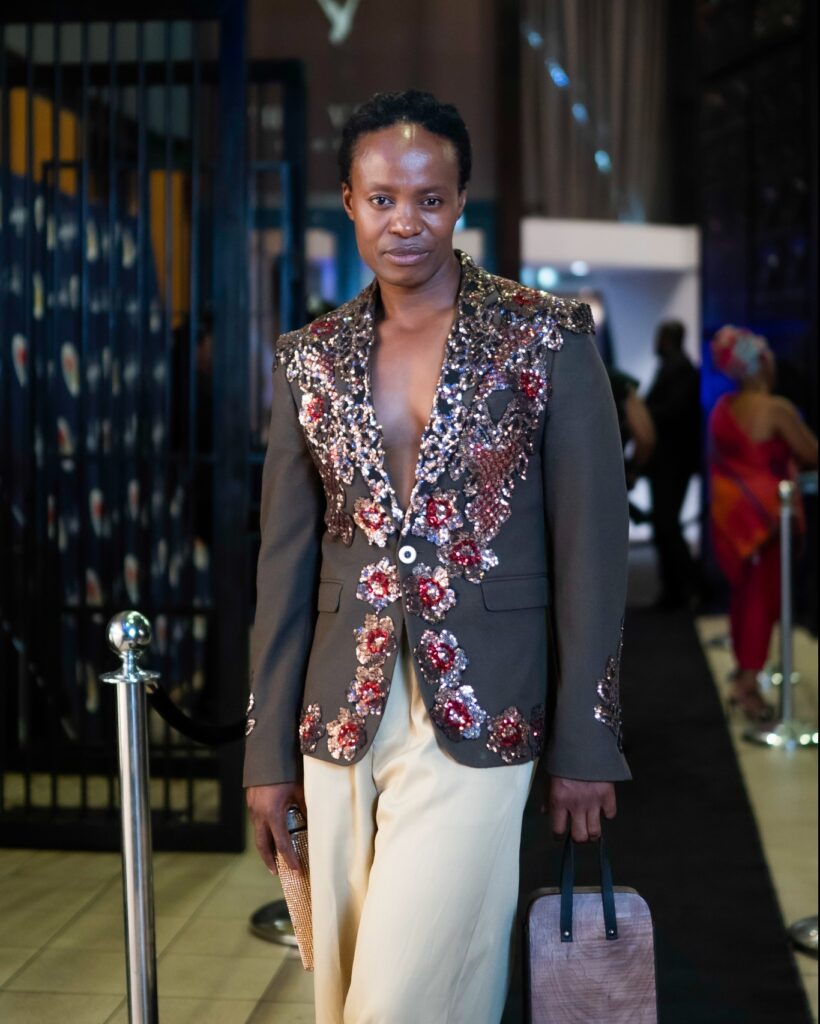
Through its partnership with Proudly South African, the event’s pink carpet became a showcase for local designers and the country’s creative industry.
The organisation’s ‘Are you wearing local?’ activation encouraged guests to celebrate homegrown fashion, reinforcing the connection between personal expression and economic impact.
As Proudly South African CEO Eustace Mashimbye highlighted, choosing locally designed and manufactured clothing supports designers, manufacturers, artisans and jobs.
It was a reminder that fashion is more than what we wear. It is also a statement about the industries and talent we choose to support.
The Next Chapter: Investing in LGBTQIA+ Leadership
Perhaps the most important announcement extended beyond the ceremony itself.
The Feather Awards highlighted the Thami Dish Fellowship, a 12-month leadership development programme designed to equip nine emerging LGBTQIA+ leaders, with one representative from each South African province.
Through skills development, resources and networks, the programme aims to help emerging leaders drive meaningful change within their communities.
This shift from celebrating established contributions to actively developing future leadership could become one of the awards’ most important legacies.
The evening also marked Thami Willis’ departure from the Feather Awards after 18 years, as he steps away to focus on the Foundation and a new chapter in his personal life.
“The Feather Awards is the catalyst. The Fellowship is the work.”
His closing words captured the spirit of the occasion:
And perhaps that is the real significance of turning 18.
The Feather Awards has spent nearly two decades celebrating those who refuse to be invisible. Its next challenge is ensuring that the people coming after them have the support, resources and platforms to continue that work.
Because visibility matters, but creating lasting opportunities for others to be seen, heard and represented matters even more.