
For young South Africans discovering wine beyond the usual labels, there is something compelling about a bottle that carries nearly five decades of history in every pour.
Piekenierskloof Wines has released its 2025 Piekenierskloof Platklip Palomino Old Vine, made from dryland-farmed vines planted in 1974 near Citrusdal. And with just 713 bottles available, this is less about mass-market wine culture and more about preserving a rare piece of South Africa’s agricultural story.

A Wine With a Past
Palomino might not be the first cultivar that comes to mind when thinking about contemporary South African wine. Traditionally associated with brandy and sherry production, it has often lived outside the spotlight.
That makes this release particularly interesting.
Only around 81 hectares of old Palomino vines remain among South Africa’s heritage vineyards, according to the release. Piekenierskloof’s decision to bottle the cultivar on its own puts an increasingly rare part of the country’s wine history directly into the glass.
This is heritage with a modern edge: a forgotten cultivar being given another chance to speak for itself.

Where the Mountain Shapes the Wine
The story becomes even more intriguing when you look at where these grapes come from.
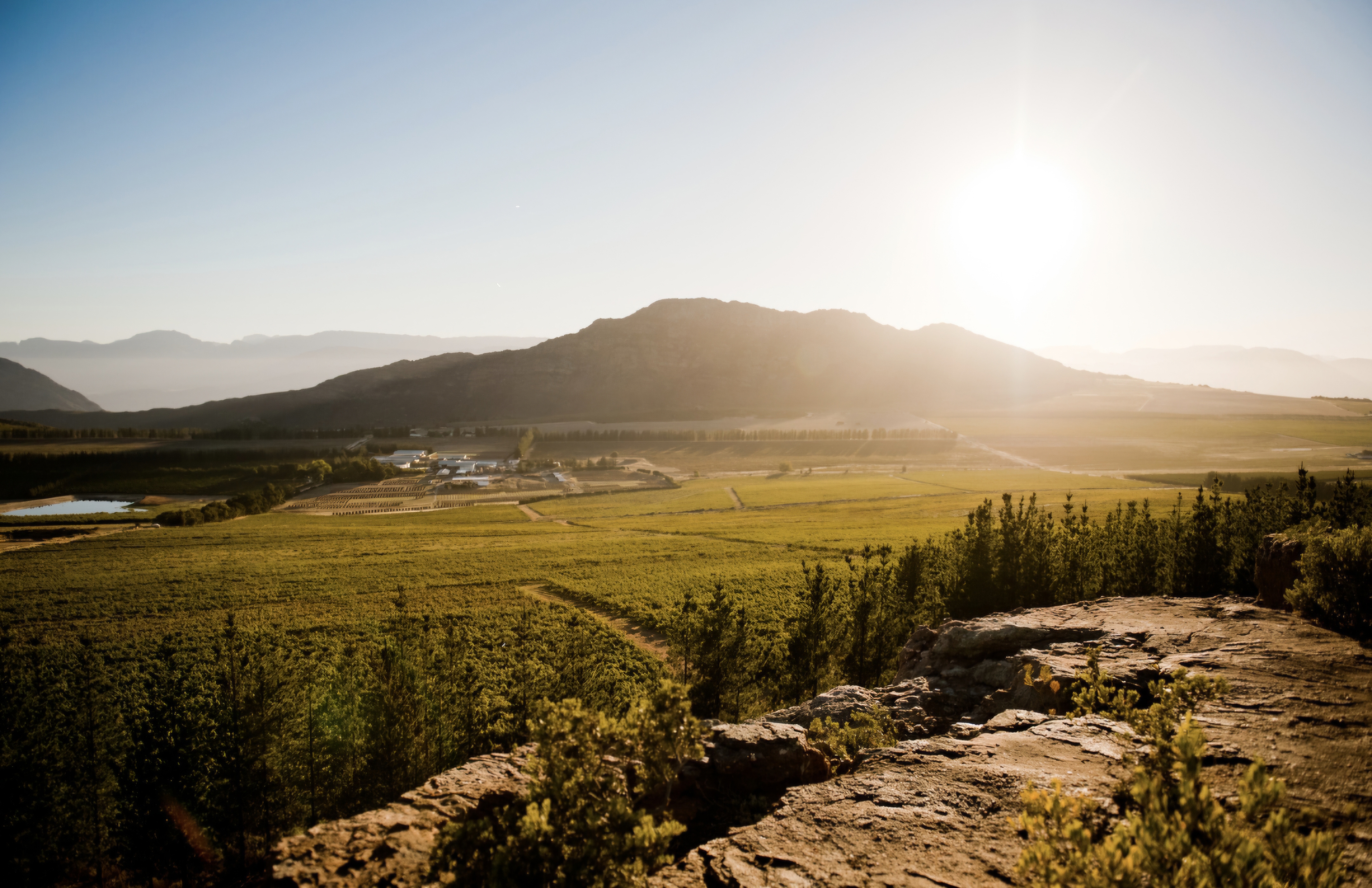
The vineyards sit on the Piekenierskloof plateau, around 160km north of Cape Town, where the vines contend with a rugged, high-altitude environment. They are dryland-farmed, relying on rainfall rather than irrigation, while their deep root systems search for moisture and nutrients.
The result is naturally lower yields and concentrated fruit — but also a stronger connection between vineyard and place.
For Alecia Boshoff, cellarmaster at Piekenierskloof Wines, the 2025 vintage finally delivered the quality needed to bottle the Palomino as a single cultivar.
That patience is central to the wine’s identity.
From Almost Uprooted to Bottled History
Perhaps the most human part of the story is that the vineyard itself nearly disappeared.
When Carel van Zyl returned from national service, he found the Palomino rows had been planted so unevenly that he reportedly considered removing them altogether.
They survived.
Today, those irregular rows remain visible from the sandstone rock known as Platklip — the inspiration behind the wine’s name.
What once looked like a mistake has become part of the vineyard’s character.

Why It Matters Now
South Africa‘s wine culture is evolving, with younger consumers increasingly interested in provenance, authenticity and the stories behind what they buy.
The Platklip Palomino taps directly into that shift.
It is not simply a premium bottle. It represents the value of protecting agricultural knowledge, unusual cultivars and vineyards that could easily have disappeared.

The 2025 vintage brings citrus blossom, green apple, white peach, wild fynbos and bright acidity, with maturation in older French oak adding another layer.
Priced at R440 per bottle, the wine is available from Piekenierskloof Wines‘ tasting room, selected wine specialists and its online store.
For a new generation of South African wine drinkers, perhaps the most exciting part is this: sometimes the future of local wine begins by rediscovering what almost got left behind.