As fears grow worldwide that artificial intelligence and automation will replace millions of workers, one South African family business is proving that technology and humanity can thrive together.
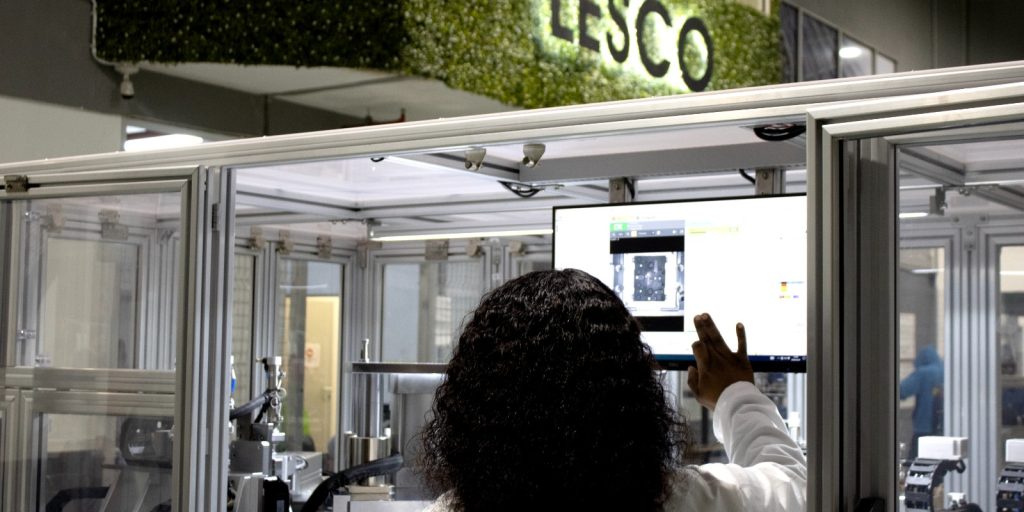
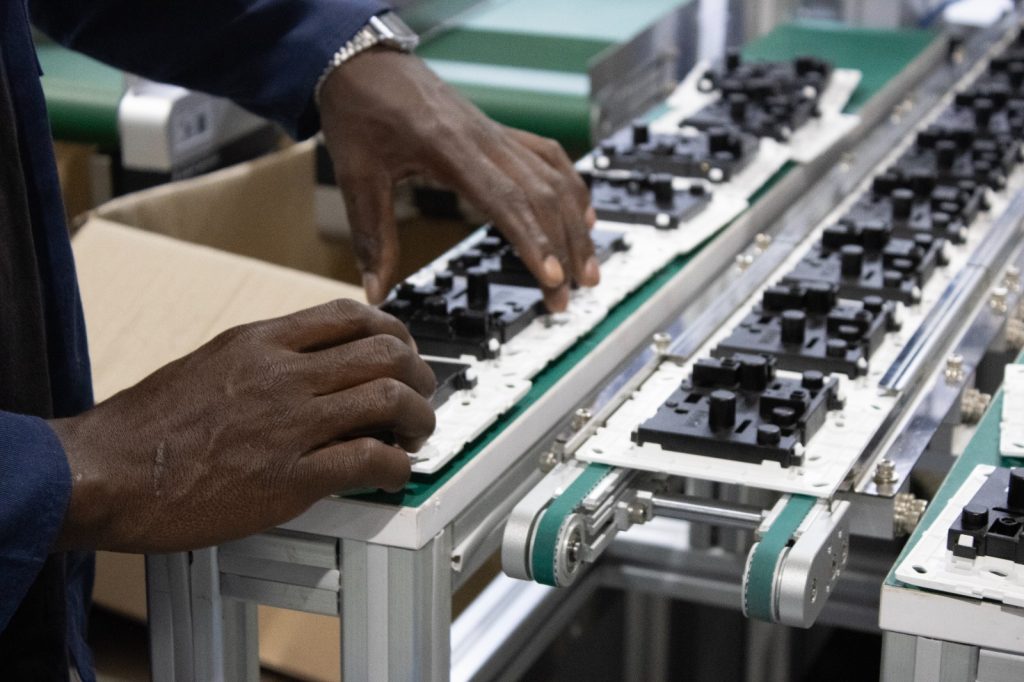
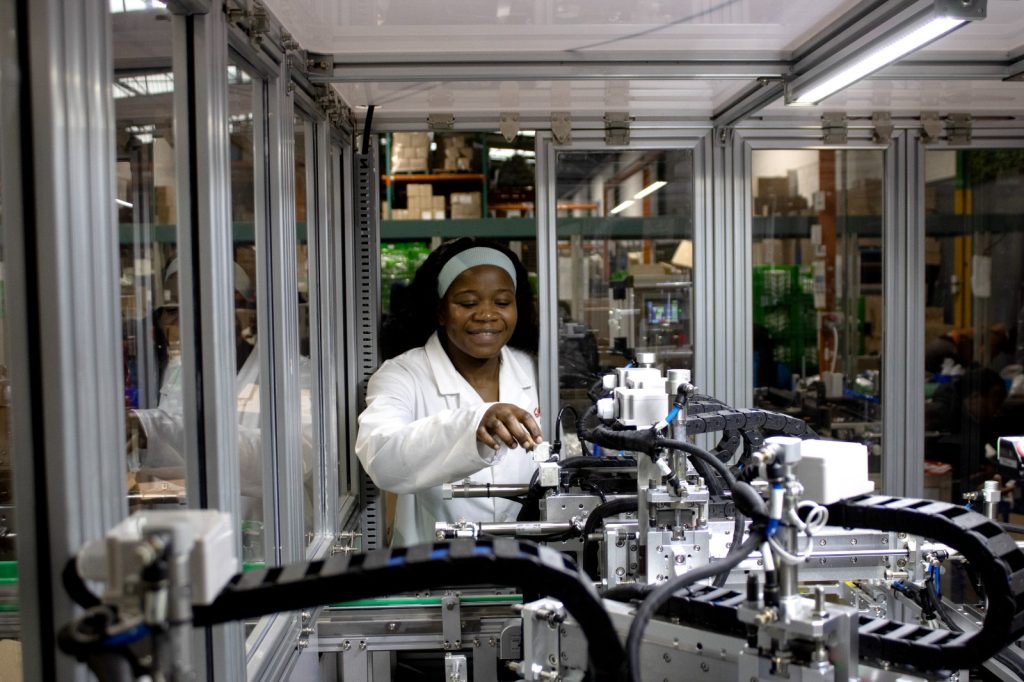
Lesco, a third-generation manufacturer of electrical and consumer products, has unveiled a cutting-edge semi-robotic production system powered by advanced AI technologies. Yet unlike many automation projects around the world, Lesco’s investment comes with a remarkable commitment: not a single permanent employee or differently abled worker will lose their job as a result of the technological transformation.
The move positions the company as a powerful example of how innovation can be used to protect vulnerable communities while driving business growth.
Technology That Creates Opportunity
Lesco manufactures a wide range of electrical products, including switches, sockets, adapters and extension cords, supplying major South African retailers such as Clicks, Builders, Build It, Makro, Cashbuild, Buco, Mica Hardware, Game, Chamberlains and Leroy Merlin. The company also produces products for Balwin Properties.
The newly introduced semi-robotic production lines are expected to increase output by between four and ten times, depending on the production line. Overall manufacturing capacity is projected to double from five million units annually to ten million units.
Despite these significant productivity gains, Lesco has deliberately chosen a path that prioritises people.
“Automation doesn’t mean fewer jobs, it means different jobs. We made a deliberate and strategic choice to implement a semi-robotic system rather than full automation. We want to show other businesses that you can innovate to be globally competitive, without sacrificing your social responsibilities.”
says Group CEO Jonathan Shapiro
Protecting South Africa’s Most Vulnerable Workers
What makes Lesco’s approach unique is its long-standing commitment to inclusive employment.
Approximately 45% of the company’s workforce is sourced from differently abled organisations, support groups, schools and vulnerable communities throughout South Africa. As part of the AI rollout, these positions have been formally protected and ring-fenced.
At a time when the World Economic Forum predicts automation could displace 92 million jobs globally by 2027, Lesco is demonstrating that technological advancement does not have to come at the expense of social responsibility.
“We are proud to confirm that we are evolving with today’s technological advancements, without displacing the vulnerable workers from our country’s differently abled community,”.
says Shapiro
The company currently employs more than 300 people and continues to place inclusivity at the heart of its growth strategy.
Inspiring the Next Generation
Lesco believes that AI and automation can become tools of empowerment rather than exclusion.
Through its longstanding partnership with Glen Oaks Academy in Kensington, the company has helped prepare students for the workplace through dedicated work-readiness programmes. Now, those students will have the opportunity to experience advanced local manufacturing and automation technologies firsthand.
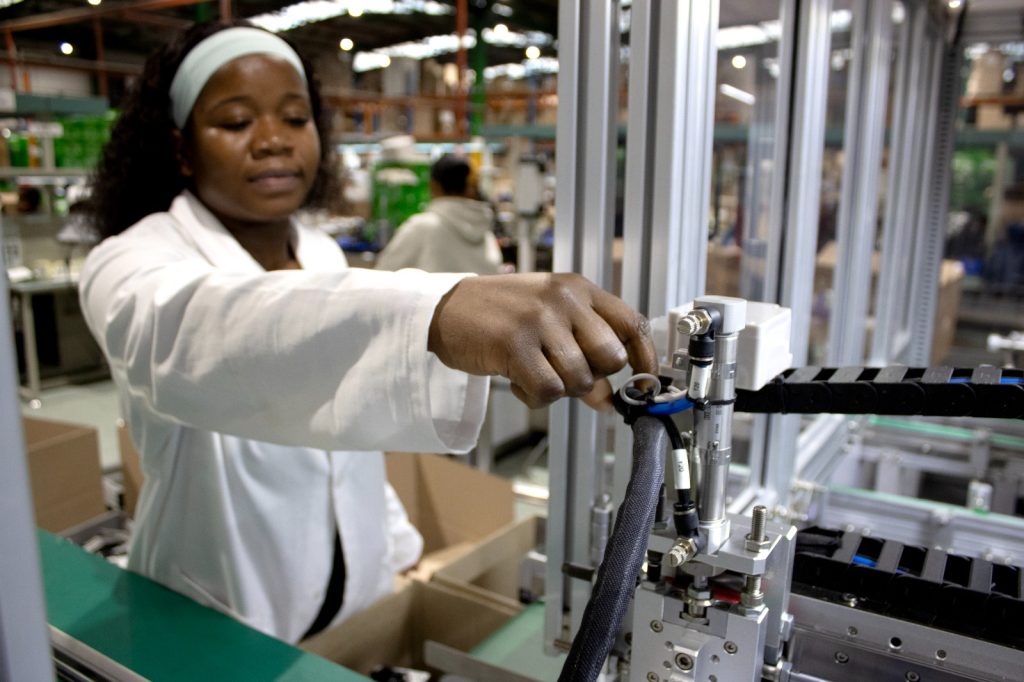
According to Shapiro, exposing differently abled youth to cutting-edge technologies sends a powerful message that disability should never be viewed as a barrier to participating in the industries of the future.
The company hopes its approach will inspire young South Africans to pursue careers in manufacturing, technology and industrial innovation.
Building a Workplace Beyond Employment
Lesco’s commitment extends beyond job creation.
To ensure effective communication throughout the organisation, all supervisors receive sign language training to support deaf employees. By June 2026, the company will further strengthen its employee support systems by introducing an on-site occupational therapist and dedicated social worker.
In addition, a new partnership with a major non-profit organisation will create another 40 employment opportunities for members of South Africa’s differently abled community.
These initiatives reflect a broader philosophy that successful businesses should invest in the wellbeing and development of their employees, not merely their productivity.
A Proudly South African Success Story
As a member of Proudly South African, Lesco is helping to strengthen local manufacturing and support economic growth through domestic production.
Proudly South African CEO Eustace Mashimbye praised the company for successfully balancing technological innovation with social responsibility.
“The investment by Lesco provides a masterclass of the human face of technology. It demonstrates how new-age technologies can be integrated in the production process to improve productivity while sustaining human capital.”
says Mashimbye
By manufacturing locally, Lesco not only maintains strict control over quality standards but also supports broader supply chains, skills development initiatives and employment opportunities throughout the country.
Driving Global Standards from South African Soil
Beyond its inclusive employment model, Lesco has established itself as an industrial leader with internationally recognised accreditations, including SABS, ISO-9001 and SMETA certifications.
These credentials reflect the company’s commitment to quality, ethical manufacturing practices and safe working environments.
As global competition intensifies, Lesco believes South African businesses must embrace smart technologies to remain competitive. However, the company argues that innovation should never come at the expense of people.
The Future of Manufacturing Is Human
In an era dominated by headlines about AI replacing workers, Lesco offers a different vision of the future.
Its story demonstrates that automation and job creation do not have to be opposing forces. Instead, when implemented thoughtfully, technology can strengthen businesses, create opportunities and improve the lives of those who are often excluded from economic progress.
For Lesco, the future may be powered by robotics and AI, but it will always remain centred on people.
“By balancing world-class standards with a fierce loyalty to the marginalised communities of South Africa, we hope to demonstrate that the most powerful component in any electrical product isn’t the copper or the plastic, it’s the person who made it.”
As Shapiro concludes: