

SA Fashion Students Turn Waste Into Style: STADIO’s Circular Fashion Showcase
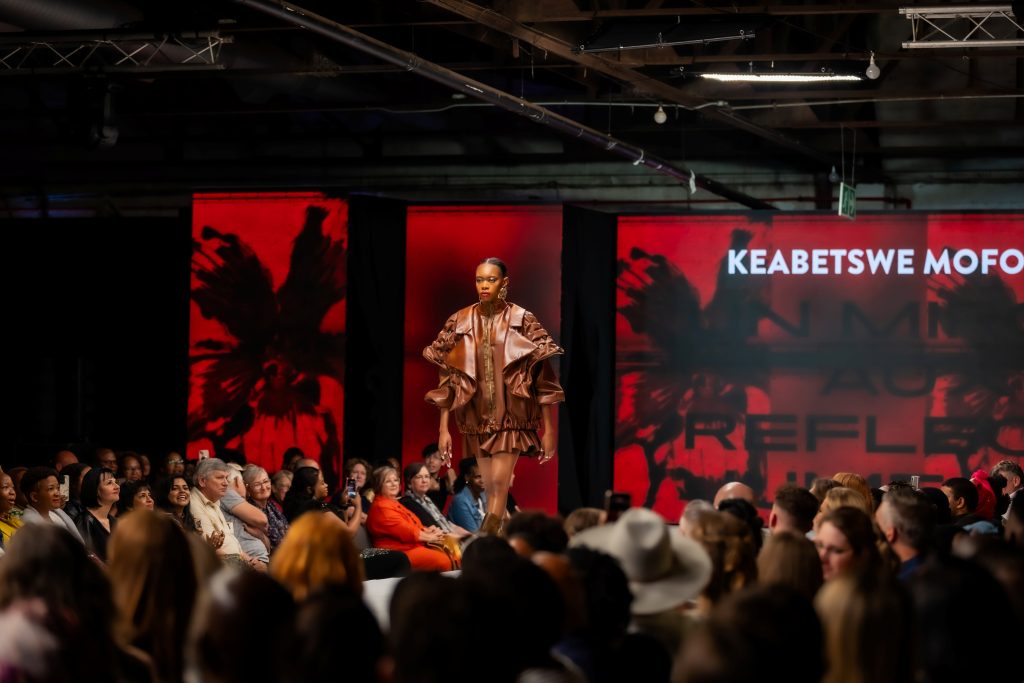
Sustainability took centre stage at the STADIO School of Fashion’s Worn & Reborn showcase on 29 November 2025, marking 30 years of fashion excellence for the institution formerly known as Lisof. Hosted at 012Central in Pretoria’s CBD—a revitalised industrial venue that echoed the theme of renewal—the event spotlighted the school’s commitment to embedding circular design across its fashion curriculum.
Circular design challenges the traditional take-make-dispose model, encouraging designers to create systems where garments and materials stay in use for as long as possible. For STADIO, this mindset is not a trend but a fundamental shift in how future designers are trained.
“As the global fashion industry confronts the realities of waste and overproduction, we are reimagining how designers are trained. STADIO strives to close the loop within our fashion programmes by teaching students to transform discarded garments and textile waste into innovative new pieces.”
says Maryne Steenkamp, Head of the School of Media & Design
Sustainability on the Runway
The Worn & Reborn runway brought this philosophy to life as students from multiple programmes showcased collections rooted in creativity, responsibility and craftsmanship.

DECON/STRUCT – Higher Certificate Students
In collaboration with Levi’s Africa and Clothes Too Good, Higher Certificate students reimagined pre-loved Levi’s denim and men’s shirts into sculptural streetwear. Each look incorporated 60–70% upcycled denim, demonstrating impressive commitment to sustainability.
“This project encouraged creativity through repurposing pre-loved Levi’s jeans. It supports a more ethical and circular fashion industry.”
says Steenkamp
Outdoor Luxe – BA Second-Year Students
Second-year BA Fashion Design students partnered with Sealand, the Cape Town brand known for sustainable craftsmanship. Using offcuts and faulty garments from Sealand, students created capsule collections under the theme “Outdoor Luxe”.
“It’s a fusion of functionality, comfort and sophistication suited to glamping and high-end outdoor fashion,”.
Steenkamp explains
Chaos vs Order – BA First-Years
First-year BA students explored the tension between structure and spontaneity through asymmetry, layered textures and experimental silhouettes.
Soft Tailoring Meets Denim City Dressing – Diploma Second-Years
Diploma students showcased a refreshing blend of refined tailoring and all-denim styling, resulting in sophisticated urban looks.

Final Collections – BA and Diploma Third-Years
The evening concluded with the highly anticipated three-look final collections from third-year students. These designs reflected deep research, strong conceptual thinking and unique creative identities shaped by global trends, cultural heritage and sustainability principles.
Sustainable Thinking, All Year Round
STADIO’s commitment to circular design goes far beyond the runway.
“By encouraging the use of offcuts, reused materials and even repurposed shopping bags, the curriculum promotes an understanding of the entire production cycle and the importance of minimising waste,”.
says Steenkamp
Students learn responsible construction techniques and gain hands-on experience that reinforces sustainable practice. Through collaborations with local CMT (cut, make, trim) manufacturers, they also experience the value of ethical, local production that reduces the environmental impact associated with outsourcing.

Graduates Ready for the Future
For Steenkamp, these projects demonstrate how STADIO prepares students to thrive in the creative economy.
“By the time BA Fashion students reach their third year, they are equipped to design collections that extend beyond aesthetics. Their work reflects a clear concept, trend direction and defined end user.”
she says
Graduates leave STADIO ready to design with both creativity and conscience.
“Circular design isn’t an add-on for us—it’s the lens through which we teach fashion. Students learn to think critically about materials, waste and production, and see how responsible design translates into real-world practice.”
Steenkamp concludes