This Is What Lions Are Really Saying When They Roar
There are few sounds in nature as powerful and unmistakably African as the deep, rolling roar of a lion. It’s a sound that doesn’t just reach the ears – it vibrates through the chest, sending a thrill that only the king of the wild can deliver. This holiday season, visitors to the Lion & Safari Park north of Johannesburg will have the chance to experience this phenomenon up close. The popular wildlife destination, known for its immersive conservation experiences, offers the perfect setting to learn the real reasons lions roar – and what these calls actually mean.
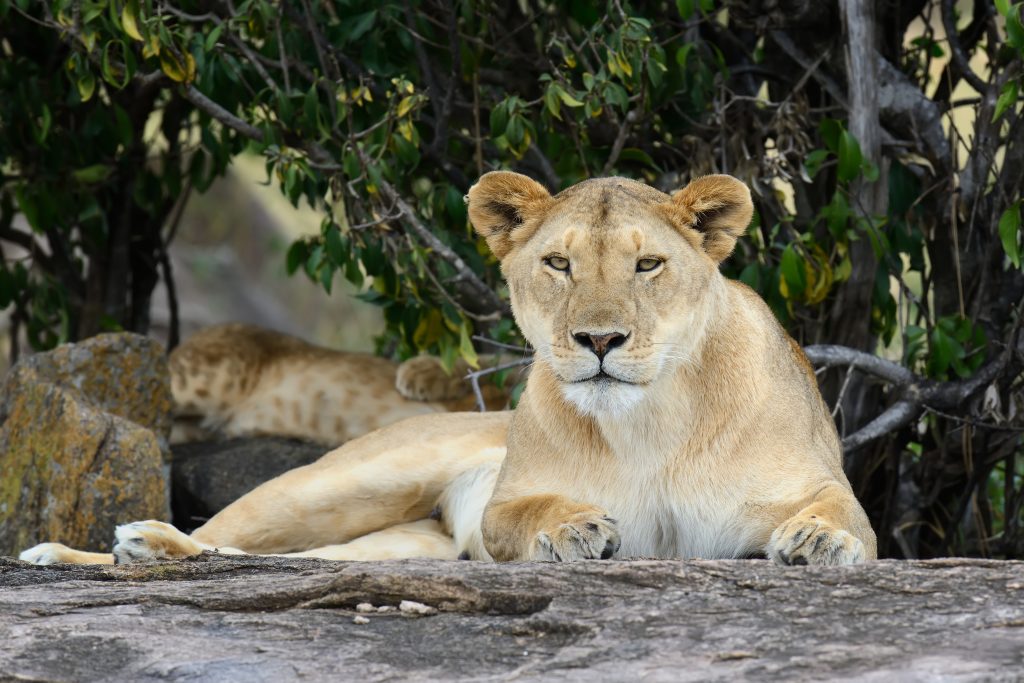
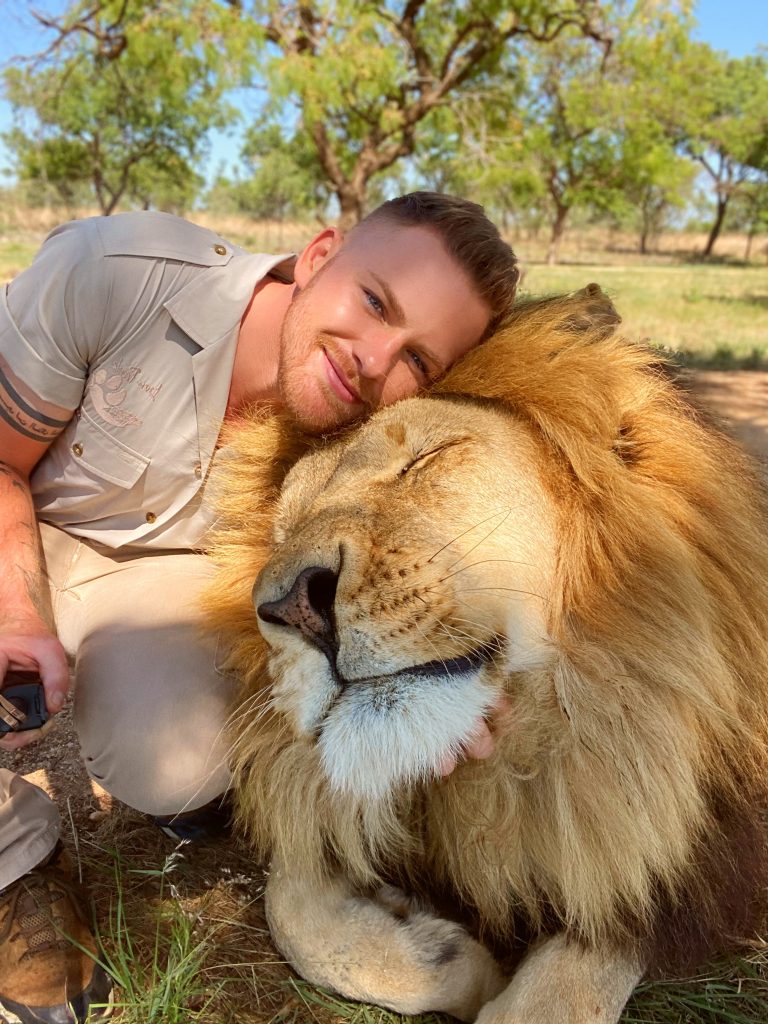
Shandor Larenty, Group Wildlife and Conservation Manager at the Lion & Safari Park, explains that a lion’s roar is far more than a display of dominance. It is a sophisticated communication tool essential to the survival and structure of the pride.
“A lion’s roar can travel up to eight kilometres on a still night. People often assume it’s only about power, but roaring is really a multifaceted language. Lions use it to define territory, maintain social bonds, and locate one another.”
he explains
Territory and Presence
Male lions, especially those leading or defending a coalition, use roaring to declare ownership of an area. Unlike scent marking, which only works at close range, a roar acts like a public broadcast tower spreading a clear warning across the bush.
“It’s their way of saying, ‘This land is taken – enter at your own risk,’”.
Larenty says
A strong roar can prevent physical conflict, which is vital, as injuries in the wild can quickly become life-threatening.
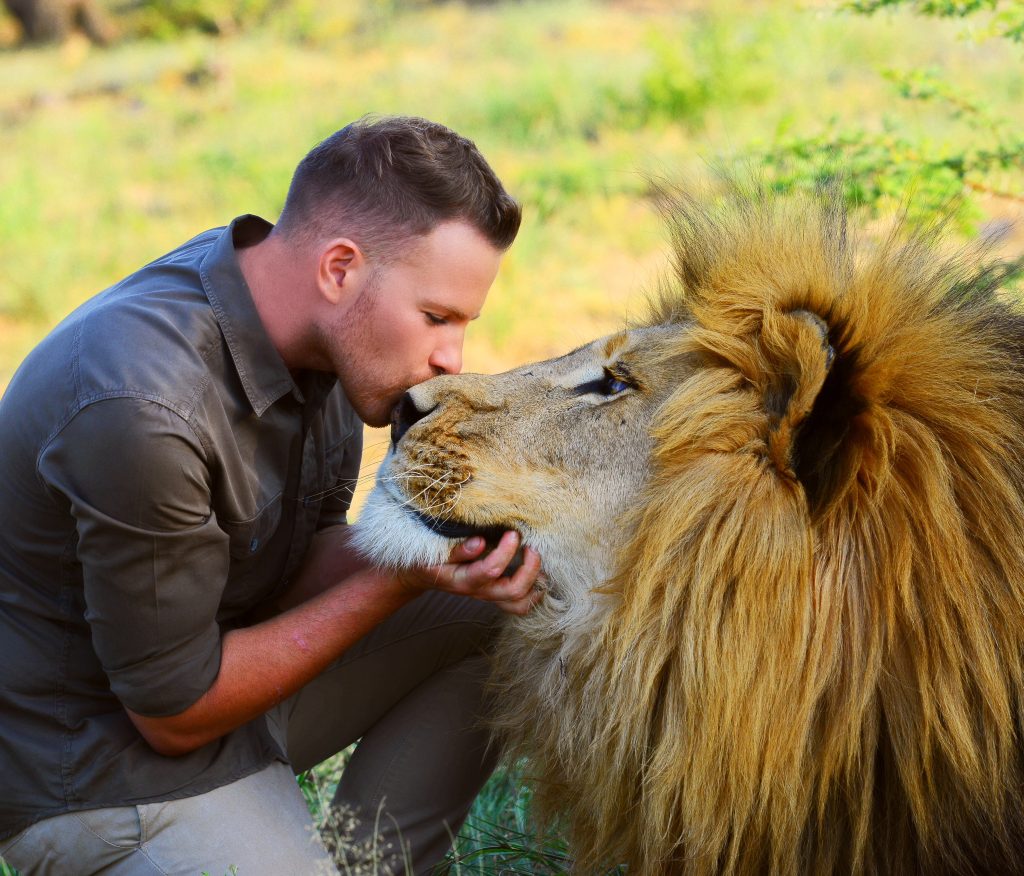
For early-morning or evening visitors at the Lion & Safari Park, these calls often roll across the landscape, creating unforgettable moments that are as thrilling as they are educational.
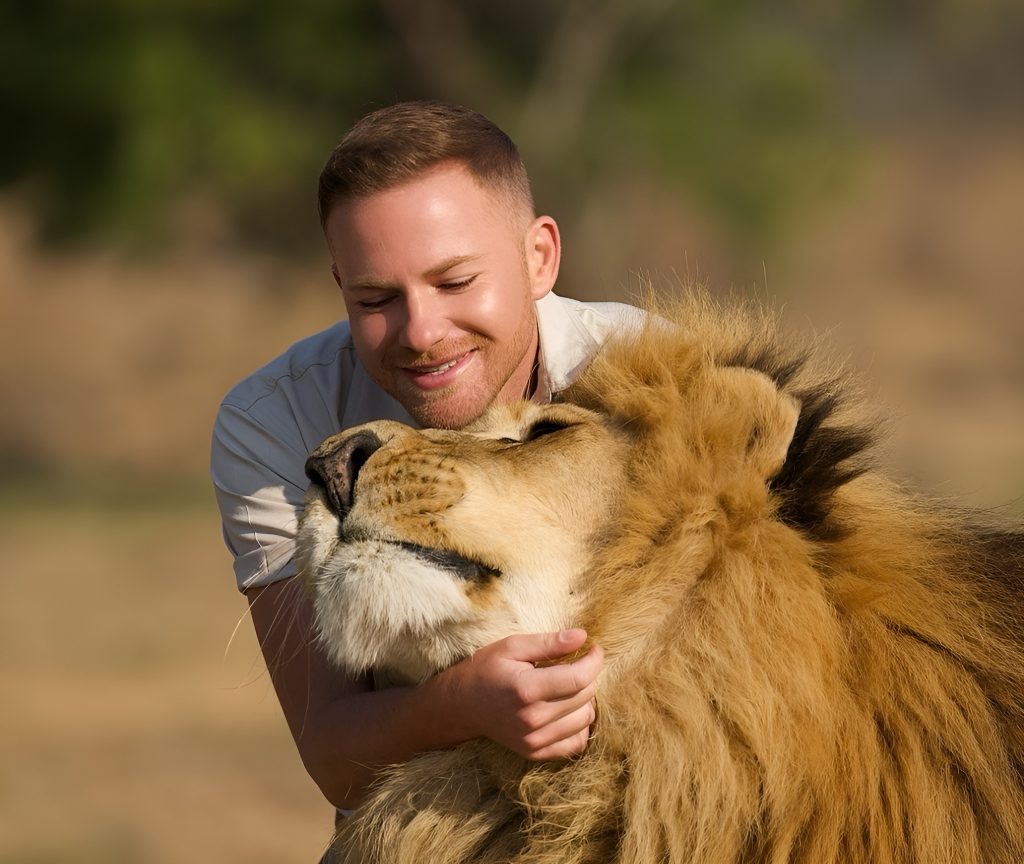
A Pride That Roars Together, Stays Together
Roaring is not just a male behaviour – lionesses roar too. Female lions use the call to maintain communication and strengthen social bonds within the pride.
“A pride is a tight-knit family unit. It’s not just an aggressive display; it’s social glue. The complexity of the roaring sequence – the number of calls, the pitch, the tone – gives other lions a surprising amount of information.”
Larenty explains
These calls help lions keep track of one another, especially during the night when visibility is limited. Guests visiting the park often get to experience this powerful family dynamic firsthand, learning that lions are far more social and cooperative than commonly believed.
Locating Loved Ones
While cubs are too young to roar, adults use roaring to locate missing or separated pride members.
“It’s incredible how quickly lions respond to one another. That deep resonance is like nature’s version of a GPS signal. They recognise each other’s voices instantly.”
Larenty says
This behaviour highlights the tight emotional and social bonds that exist within a pride.
A Holiday Experience with Purpose
With large natural habitats, experienced guides, and conservation-focused programming, the Lion & Safari Park offers families an extraordinary and meaningful wildlife experience this festive season. Visitors can enjoy:
- Self-drives and guided game drives
- Predator sightings
- Family-friendly restaurants
- Kids’ play areas
- Local craft shops
- Expert talks and insights from conservation leaders
“For many guests, hearing a lion roar for the first time is life-changing. It’s a reminder of the beauty and importance of conserving our wildlife. Education is at the heart of conservation.”
Larenty says
The roar of a lion is more than a sound – it’s a message about identity, territory, unity, and survival. For families searching for a holiday outing filled with excitement, wonder, and real learning, the Lion & Safari Park continues to be one of South Africa’s most rewarding wildlife experiences.