Scroll through your social feeds long enough and something strange starts happening: different brands begin to sound like the same brand.
The visuals are polished. The captions are optimised. The calls to action are perfectly positioned. The data says everything is working.
But are we remembering any of it?
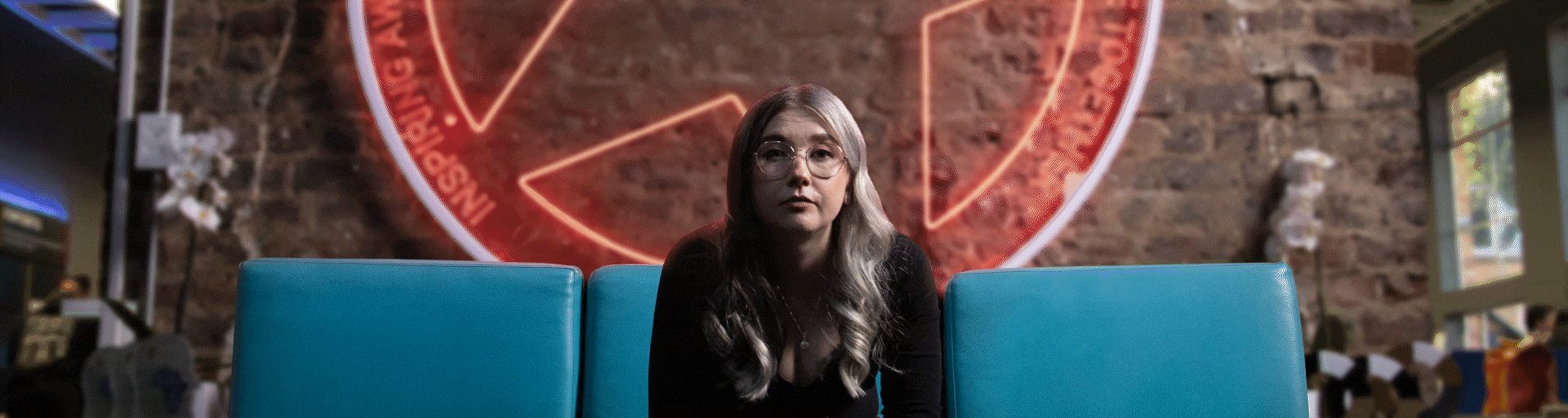
That is the uncomfortable question raised by Nicole Glover, Executive Creative Director – Digital at Penquin, who believes the digital marketing industry has become so focused on optimisation that it risks losing the creativity that makes brands memorable.
Her argument is bigger than a warning about artificial intelligence. In fact, Glover believes AI is being unfairly blamed for a problem that started much earlier.
The Metric Took Over the Meeting
For more than a decade, digital marketing has become increasingly measurable. Click-through rates, engagement, conversion, scroll depth and A/B testing have given marketers powerful tools to understand audiences.
But Glover believes the industry has gradually started treating those numbers as more valuable than creative instinct.
The result? Safer work.
When marketers repeatedly optimise campaigns around what has performed before, there is a danger that creativity becomes a copy-and-paste exercise. The same references influence the same ideas, while risk-averse approval processes push brands towards familiar territory.
Eventually, everything starts looking… familiar.
Global research reinforces the concern. Kantar has reported that many consumers struggle to distinguish one brand from another, while IPA research has repeatedly highlighted the commercial power of emotionally driven advertising.
For young, digitally connected South Africans living in an increasingly crowded content ecosystem, that distinction matters.
South Africa Doesn’t Need More Noise
South African audiences are already surrounded by brands competing for attention across TikTok, Instagram, YouTube, WhatsApp, streaming platforms and traditional media.
Simply being visible is no longer enough.
The brands that stand out are often those with a recognisable voice, cultural understanding and the confidence to show some personality.
Think of the campaigns people actually talk about. They often aren’t memorable because they had the perfect conversion funnel. They are memorable because they made people laugh, feel seen, think differently or recognise something unmistakably human.
That is where Glover sees an opportunity.
She isn’t arguing for a world without data. Instead, she wants creativity and analytics to work together rather than allowing dashboards to dictate every creative decision.
AI Isn’t the Real Villain
As artificial intelligence rapidly changes how campaigns are conceived and produced, Glover’s argument lands at an important moment.
AI can accelerate production, generate ideas and help marketers understand audiences. But if the creative system feeding those tools is already built around sameness, technology can simply make that sameness faster.
The challenge, then, isn’t whether brands should use AI.
It’s whether they can use it without losing their personality.
In an era where audiences can instantly scroll past anything that feels manufactured, human texture may become one of the most valuable forms of differentiation.
Imperfection. Humour. Emotion. Local insight. Cultural nuance.
The next generation of standout digital marketing may not belong to the brand with the most sophisticated optimisation strategy. It could belong to the one brave enough to make people feel something before asking them to click.