
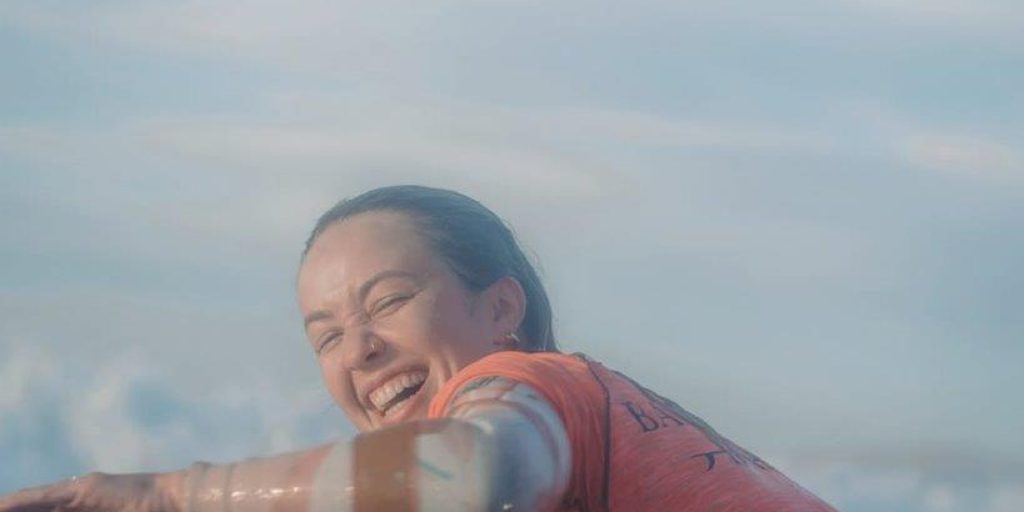
At 52 years old, Penelope Meniere never imagined she would become a surfer.
Her fear of sharks was real and significant. But another fear was even greater – the fear of living a life where she never tried anything that scared her.
So, encouraged by her daughter, she did something extraordinary. She showed up at Muizenberg Beach.
“The waves will do the rest,”.
her daughter told her
She was right.
What followed was not simply a surfing lesson. It was a reminder that courage often begins with one small decision: to step beyond fear and into possibility.
The Women Who Paddle Out Anyway
The stories that often dominate sport are those of championships and trophies. Yet some of the most powerful stories happen far from the podium.
They belong to the women who decide to paddle out despite believing they are too old, too inexperienced, too busy or simply not the “type” of person who surfs.
They are mothers and daughters, students and teachers, professionals and entrepreneurs. They range from teenagers to women in their sixties and beyond. They are united by one thing – the willingness to stand up and ride a wave.
At Muizenberg, these stories have become a movement.
How Muizenberg Became a Women’s Wave
The story dates back more than a century.
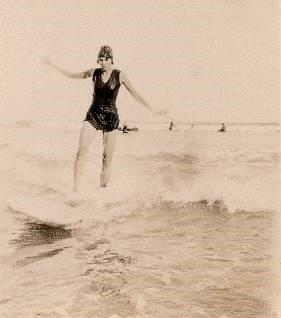
In the 1920s, UCT student Heather Price borrowed a surfboard and entered the waters of Muizenberg. She had never surfed before, but she paddled out and stood up, becoming the first recorded female stand-up surfer in South Africa.
She could not have known that her moment would help open the ocean to generations of women who followed.
Yet for decades, surf culture remained overwhelmingly male-dominated.
During the 1980s and 1990s, women were often portrayed as spectators on the beach rather than athletes in the water. Female surfers frequently felt like outsiders, navigating an environment where they were treated as guests in someone else’s lineup.
But slowly and steadily, change arrived.
The Movement Called Backline Babes
One of the biggest shifts happened in Muizenberg itself.
Local surfer Emma Horner became tired of the subtle barriers women still faced in the water – the looks, the repositioning and the unspoken feeling that they didn’t fully belong.
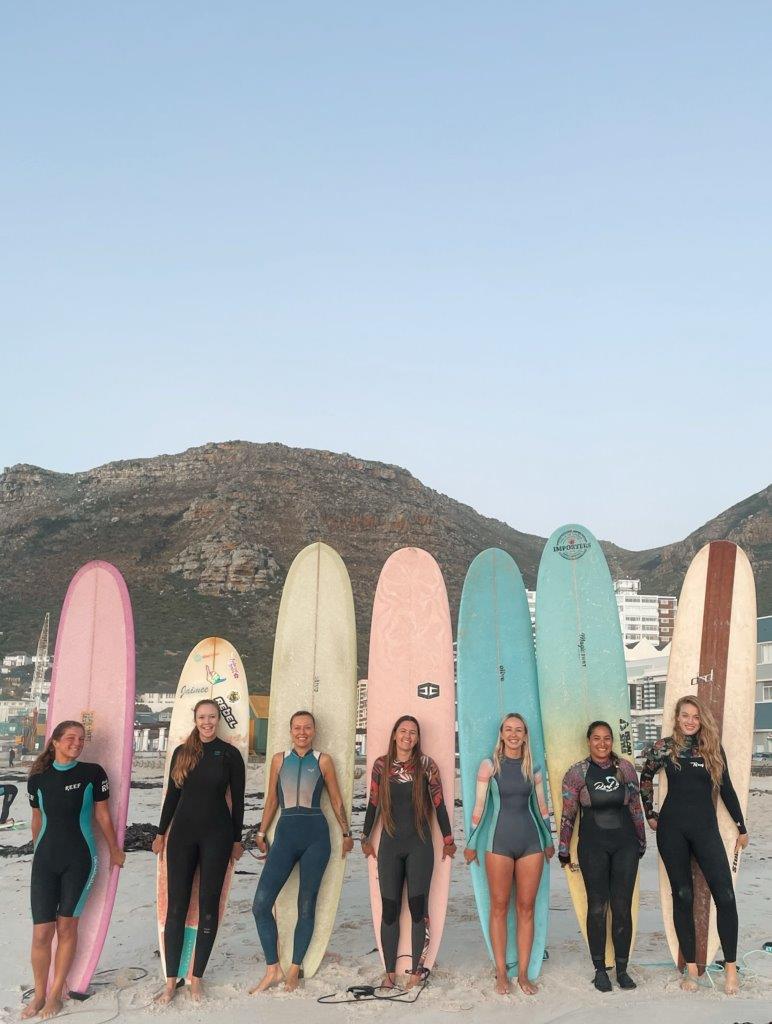
She decided to create a WhatsApp group called Backline Babes.
She expected perhaps twenty women to join.
Instead, the community exploded.
Today, Backline Babes has grown into a 600-member movement where women encourage one another, share confidence and transform fear into courage.
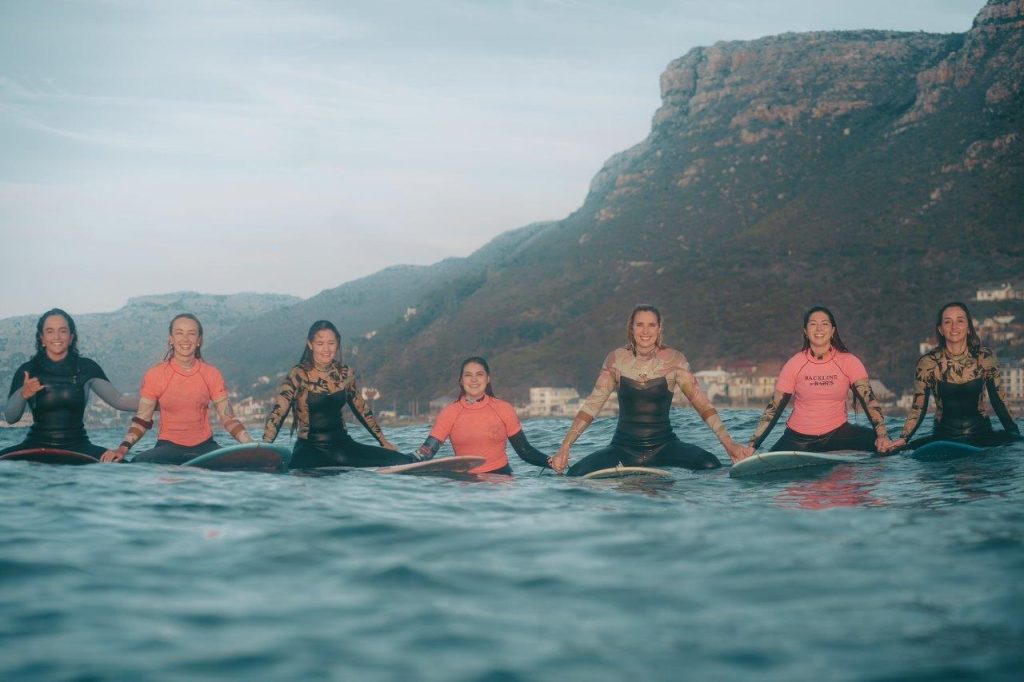
Strangers have become surf sisters.
For many members, simply knowing someone else will be waiting on the beach before sunrise is enough to inspire them to paddle out.
The movement has become far more than a surfing group. It has evolved into a community where women of all ages feel supported, seen and empowered.
South Africa’s Legacy of Women in Surfing
South Africa has repeatedly played a pivotal role in advancing women’s surfing globally.
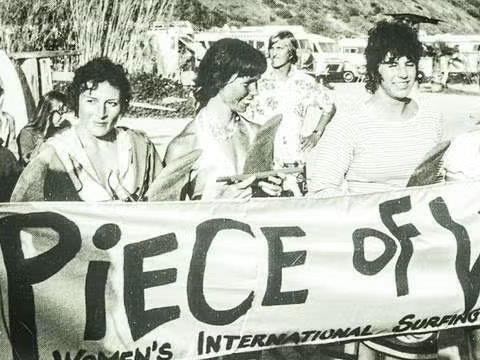
In 1976, the country hosted the first stop of the inaugural Women’s World Surf Tour.
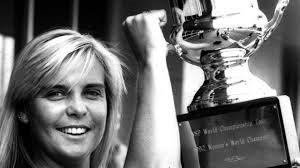
Surfing legend Wendy Botha later claimed four South African titles and four world championships, inspiring generations of female athletes.
In 2018, teenage surfer Zoe Steyn sparked global conversations about equality when a photograph showed her receiving prize money that was half that of her male counterpart at the Ballito Pro.
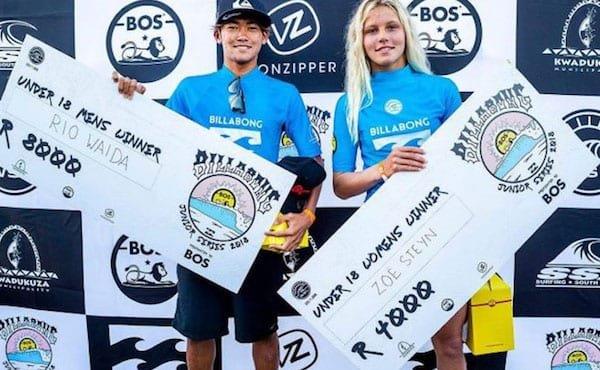
The image resonated around the world and contributed to the World Surf League’s historic decision in 2019 to introduce equal prize money across all divisions.
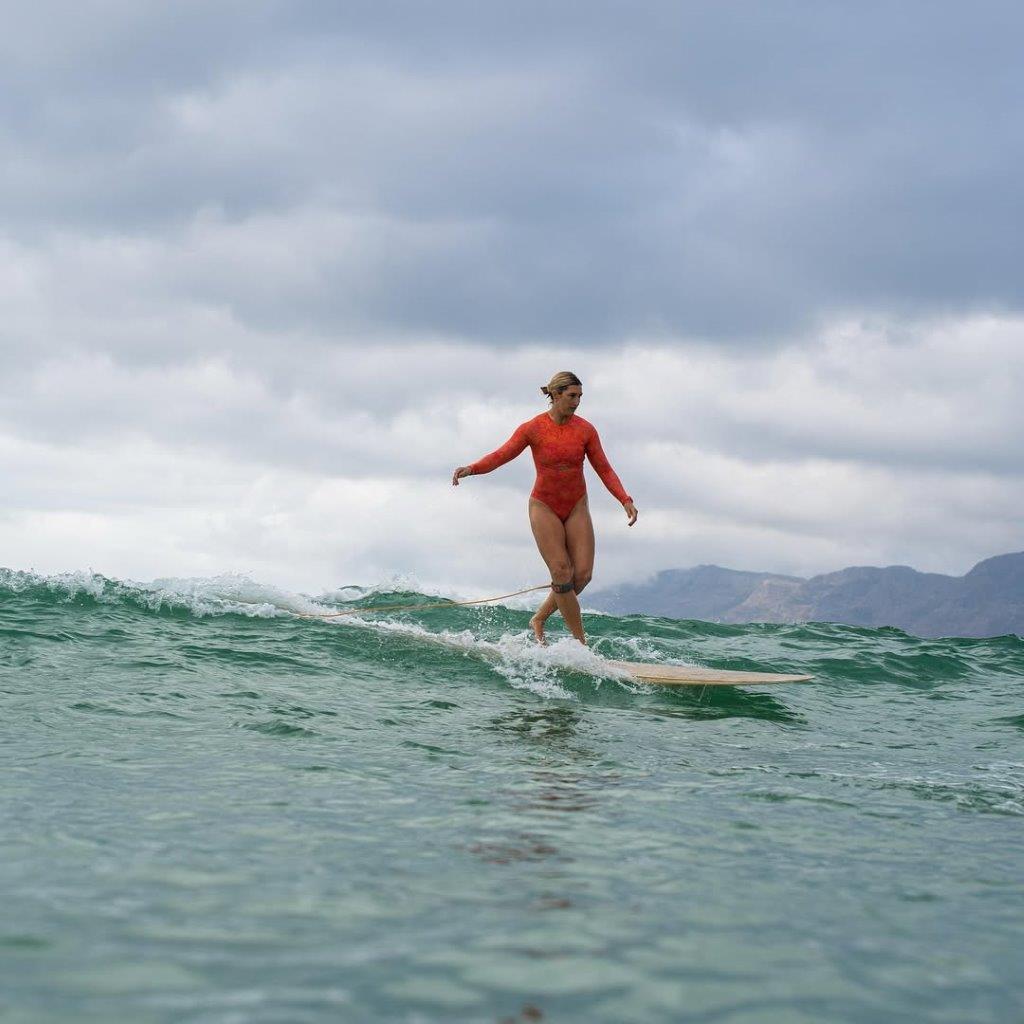
South African women have also excelled competitively, with Tarryn King winning world championship gold in stand-up paddle sprinting and Bianca Buitendag securing Olympic silver in Tokyo.
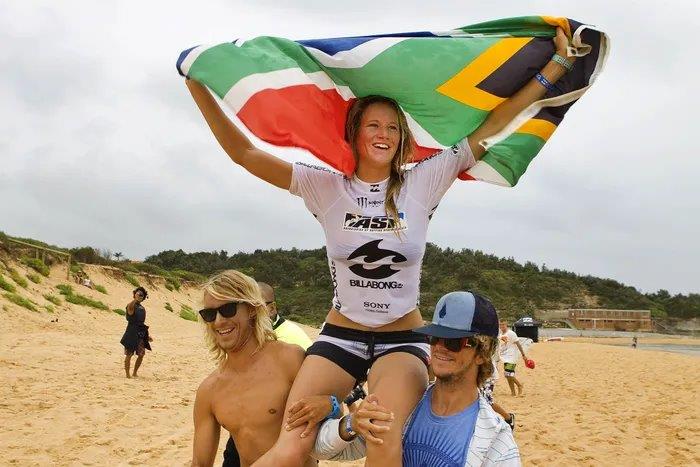
These milestones have helped redefine what women’s surfing looks like – not just in South Africa, but around the world.
More Than Surfing
The most remarkable thing about Muizenberg’s women’s surfing movement is that it extends far beyond the ocean.
It is about possibility.
It is about a daughter watching her mother pull on a wetsuit for the first time and learning that it is never too late to begin again.
It is about women discovering that fear does not have to determine the limits of their lives.
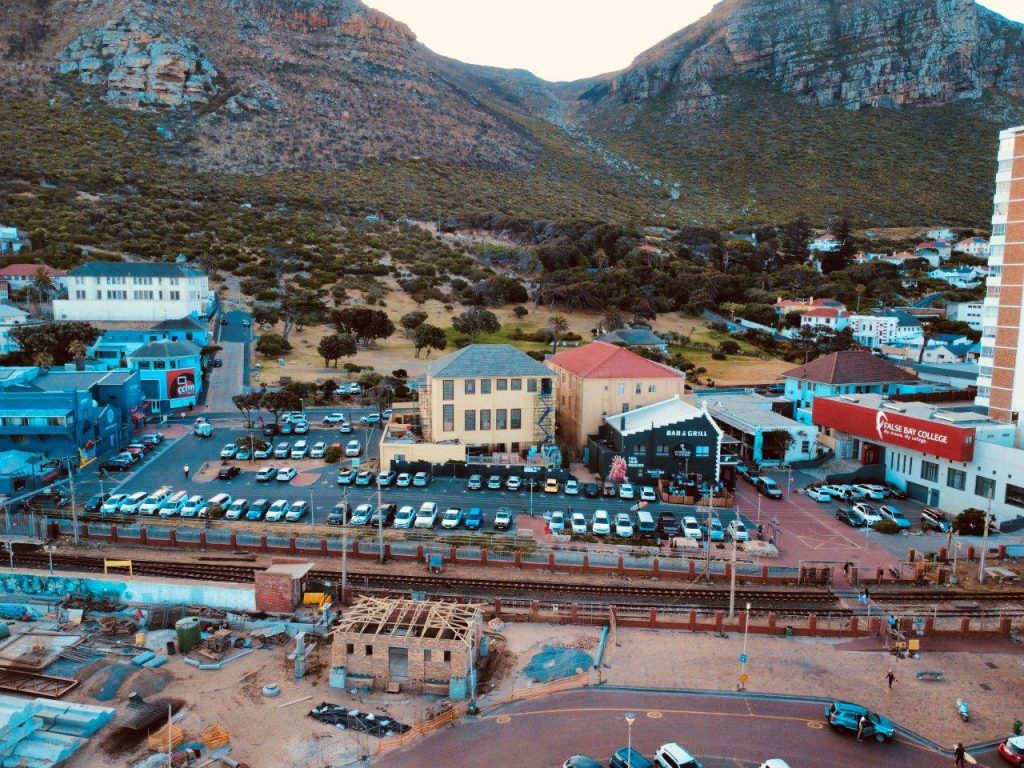
Later this year, Workshop17 will open its new beachfront space in Muizenberg, just steps away from Surfers’ Corner. It feels fitting that another place dedicated to community, creativity and connection is being built on a stretch of coastline that has empowered women for more than 100 years.
As Penelope Meniere discovered at 52, the ocean always had room for all of us.
Sometimes all it takes is borrowed courage, a borrowed board and the decision to paddle out anyway.