On 4 March 2026, South Africa and the world paused to honour what would have been the 94th birthday of Miriam Makeba—a legendary singer, activist, and global symbol of resistance. Known affectionately as “Mama Africa,” Makeba’s influence extends far beyond music, continuing to shape conversations around justice, identity, and human dignity.
This milestone arrives with profound historical significance. In 1976, the same year as the Soweto Uprising, Makeba stood before the United Nations General Assembly and delivered a powerful address condemning apartheid. Her words—“We are not asking for sympathy. We are asking for justice.”—cut through global hesitation and called for decisive international action.
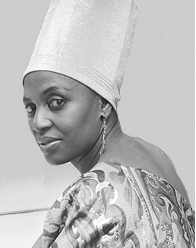
Half a century later, that message still resonates. In a world facing geopolitical conflict, identity struggles, and widening inequality, Makeba’s insistence on justice over indifference feels as urgent as ever. Her speech remains a timeless reminder that silence in the face of injustice is itself a choice.
From the townships of Johannesburg to the world’s most prestigious stages, Makeba used her voice as both an artistic and political instrument. She transformed African identity into a source of pride during a time when it was systematically oppressed, becoming one of South Africa’s most influential cultural diplomats.
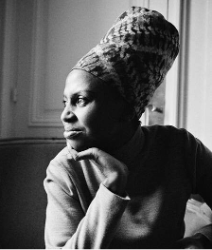
Today, her legacy lives on through initiatives like the Miriam Makeba Foundation and the Miriam Makeba Centre for Girls in Midrand. These institutions continue her mission by empowering young women through education, opportunity, and leadership—values she championed throughout her life.
Makeba’s impact also echoes through generations of artists who carry her spirit forward. Musicians such as Thandiswa Mazwai, Angélique Kidjo, Yvonne Chaka Chaka, Simphiwe Dana, Somi, and her granddaughter Zenzi Makeba Lee continue to draw inspiration from her pioneering work.
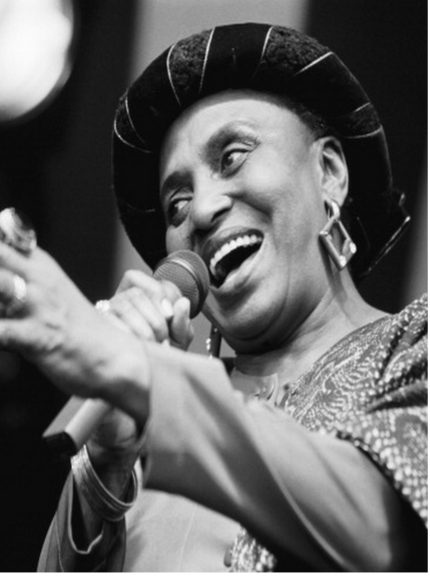
As South Africa reflects on 50 years since the defining events of 1976, the Makeba Foundation urges educators, cultural institutions, and creatives to revisit her United Nations address—not merely as a historical document, but as a living call to action. It is a testament to the enduring power of culture in shaping a more just and equitable world.
Though Miriam Makeba passed away in 2008, her voice, courage, and clarity remain timeless. Decades later, Mama Africa still sings—through movements, through music, and through every generation that refuses to be silent.