South African fashion has no shortage of creativity. From the streets of Soweto to the runways of Johannesburg and Cape Town, local designers are building distinctive identities through clothing that reflects the country’s cultures, stories and evolving urban lifestyles. But there is a bigger question facing the industry: what happens after the fashion show ends?
For many emerging designers, getting their collections in front of an audience is only half the battle. Getting those clothes into stores, where ordinary shoppers can discover, afford and wear them, remains a significant challenge.
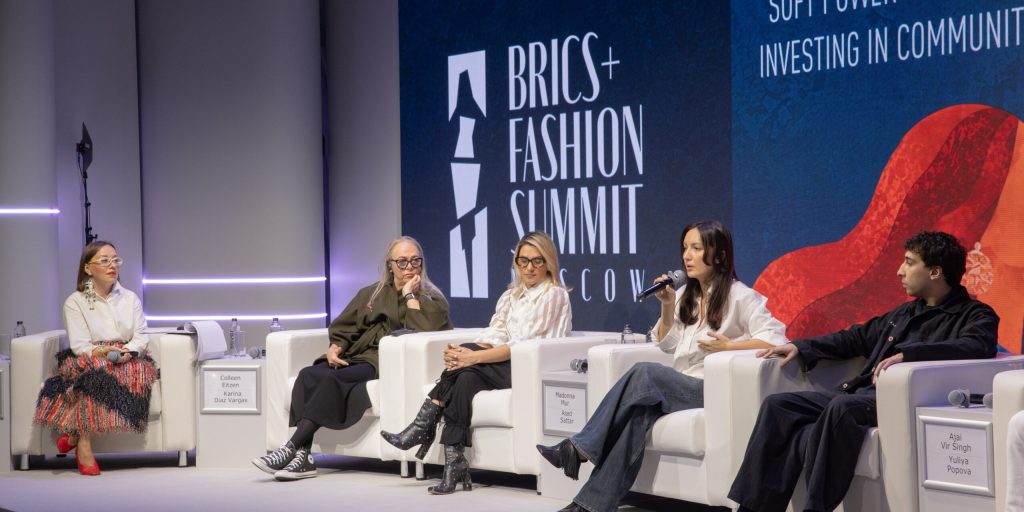
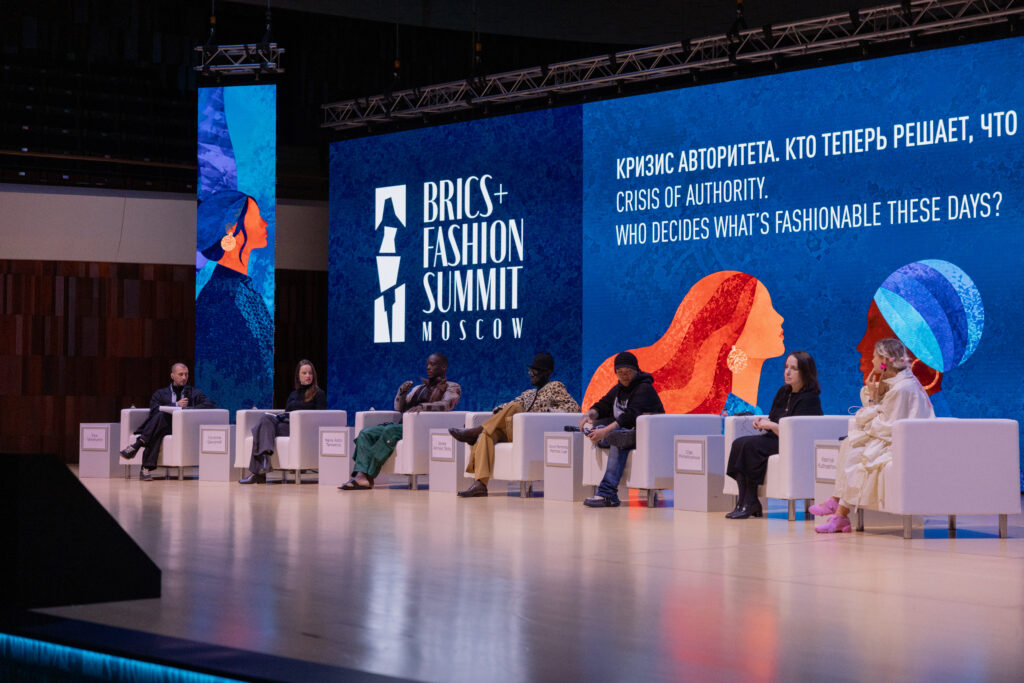
That is the issue Stephen Manzini, founder and CEO of Soweto Fashion Week and president of the South African Fashion Association, brought to the international stage at the BRICS+ Fashion Summit in Moscow. His message was clear: African fashion needs more than visibility. It needs shelf space.
From the Runway to Everyday Life
Fashion weeks generate excitement, introduce fresh talent and create opportunities for designers to showcase their work. Yet that momentum does not always translate into everyday retail access.
For young South Africans who want to support local talent, finding independent designer clothing can be difficult. Meanwhile, emerging brands must navigate the costs of production, marketing, distribution and, in some cases, operating their own retail spaces.
Manzini argues that stronger relationships between designers, retailers, boutiques and craft stores could help bridge this gap. International partnerships could also open doors to new markets, allowing South African labels to reach customers beyond their immediate communities.
The bigger opportunity is to make African design part of everyday shopping rather than reserving it for fashion events, exclusive boutiques or consumers with substantial disposable income.
After all, local fashion can only become a stronger part of the economy when people have practical opportunities to buy it.
Retail Partnerships Could Change the Game
One example discussed at the summit came from Colleen Eitzen, co-founder of South African retail chain The Space, which stocks collections from local designers.
Its model gives designers access to physical stores without requiring them to shoulder the full cost of running their own outlets. Instead, the retailer takes a commission on sales, while designers can monitor performance data in real time.
This information helps brands identify which colours, styles and sizes are selling, giving them a clearer understanding of what customers actually want.
It is a reminder that growing South African fashion is not just about creative talent. It also requires commercially sustainable systems that help designers turn their ideas into viable businesses.
For independent labels, the right retail partnership could mean the difference between producing a collection for a single showcase and building a brand that customers return to season after season.
African Designers Face More Than One Challenge
The conversation in Moscow also highlighted the obstacles that extend beyond South Africa‘s borders.
Brian James Kihindas, director of Nairobi Fashion Week and the Kenya Fashion Council, pointed to the costs and administrative requirements associated with international trade. For smaller businesses, certification and product-testing procedures can be difficult to navigate without sufficient funding or technical support.
Meanwhile, Nana Addo Tamakloe, founder and CEO of Accra Fashion Week, highlighted the pressure that second-hand clothing imports place on local manufacturers in Ghana. Smaller brands can struggle to compete on price, while designer pieces often remain beyond the reach of many consumers.
These challenges underline a shared reality across African markets: talented designers need supportive business infrastructure, accessible distribution channels and opportunities to compete sustainably.
The summit brought together fashion industry representatives from across Africa and other emerging markets, creating opportunities to exchange ideas and establish international business relationships. Manzini said Soweto Fashion Week had already developed connections with colleagues and retailers from Brazil and Sri Lanka through its participation.
Making Local Fashion More Accessible
For South Africa‘s fashion industry, the next step is turning international conversations into tangible opportunities at home.
More retail partnerships, practical export support and stronger connections between designers and buyers could help local brands reach wider audiences. Equally important is ensuring that homegrown fashion is available across different price points, so supporting African creativity does not become a luxury reserved for a select few.
There is also a cultural dimension to consider. What people wear is one way they express identity, heritage and belonging. When local designers gain space in mainstream retail, their work becomes more visible in the everyday lives of the people and communities that inspire it.
The message from Moscow is ultimately about more than clothing. South African designers need opportunities to build sustainable businesses, reach new customers and compete on a larger stage.
The talent is already here. The challenge is creating a retail environment where that talent can thrive — and where wearing African design becomes an everyday choice, not an occasional statement.