

What if the secret to better work isn’t pushing people harder, but creating an environment where they feel safe enough to speak up? As South Africa observes Mental Health Awareness Month, the conversation around employee wellbeing is shifting towards something that goes beyond wellness days, motivational talks and corporate self-care campaigns: psychological safety.
At its core, psychological safety means being able to ask questions, admit mistakes, challenge decisions and request support without fearing humiliation or professional consequences. It is about creating workplaces where people can bring their ideas, concerns and humanity into the room without feeling they have to leave parts of themselves at the door.
For young South Africans navigating demanding careers, competitive industries and the pressure to prove themselves, that distinction matters.
Beyond Wellness Programmes: What Happens Every Day?
Companies are increasingly talking about mental health, but offering support and creating a culture where employees feel comfortable using it are two different things.
An employee might have access to wellness resources yet hesitate to tell their manager they are overwhelmed. A junior team member might spot a problem but remain silent because challenging a senior colleague feels too risky. Someone with a promising idea might keep it to themselves rather than risk being embarrassed in a meeting.
These everyday moments can reveal more about workplace culture than any official policy.
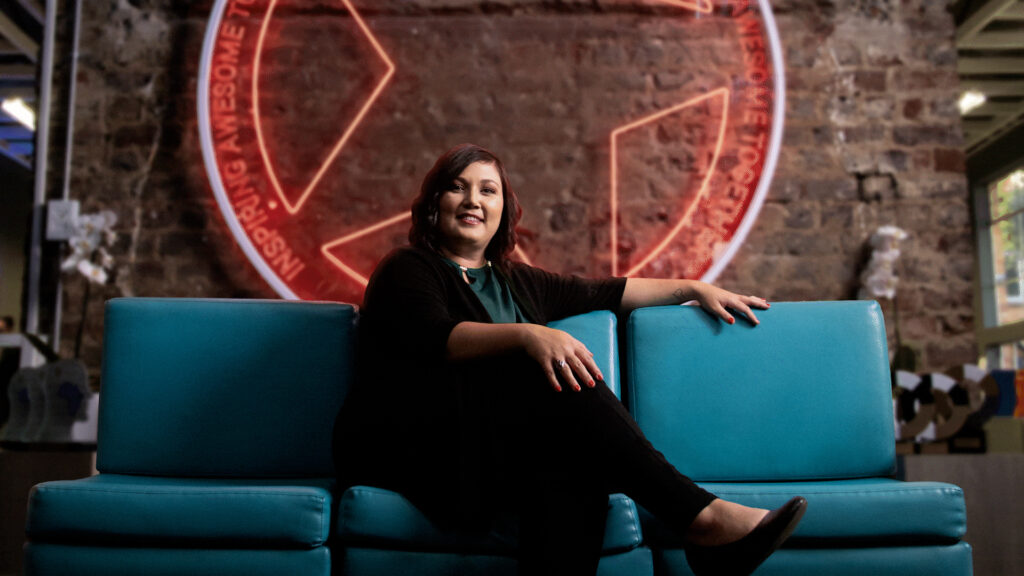
Annemie Burger, HR Director at brand and communications agency Penquin, believes psychological safety is essential to understanding employee wellbeing. People need to feel that honesty will not automatically be met with judgement, particularly when they are struggling or need help.
The bigger question for businesses is whether their employees genuinely feel safe enough to speak.
Why Creative Teams Need Room to Disagree
In creative industries, the ability to challenge the obvious can be the difference between work that simply meets a brief and work that changes the conversation.
Advertising, communications and content production thrive on experimentation. Ideas need to be questioned, concepts refined and assumptions challenged. When employees are afraid to disagree with leadership, the creative process risks becoming an exercise in pleasing the person with the most authority.
Burger argues that strong creative work depends on people feeling comfortable enough to say when something is not working or suggest an entirely different direction.
That principle extends beyond agencies. Whether you’re developing a campaign, building a business, producing digital content or working in a corporate team, innovation requires people to contribute without constantly calculating the personal cost of being wrong.
A team that never challenges an idea may not be aligned. It may simply be afraid.
Leadership Sets the Tone
Psychological safety does not mean eliminating standards, avoiding difficult conversations or excusing poor performance. It means creating enough trust for accountability to happen constructively.
Leaders influence that environment through their everyday reactions. When a manager responds defensively to criticism, employees learn to stay quiet. When mistakes trigger blame rather than investigation, people may conceal problems instead of helping solve them.
By contrast, leaders who acknowledge their own mistakes, invite different perspectives and listen without immediately becoming defensive make honesty easier.
The same applies to asking for help. Being ambitious, capable and committed does not mean having every answer. A healthier workplace recognises that supporting employees and expecting excellent work are not mutually exclusive.
For younger professionals, especially those still establishing themselves, this can make the difference between learning through experience and spending every working day trying not to look inexperienced.
Episode Synopsis: From Mental Health Policies to Everyday Trust
This workplace conversation unfolds in three connected chapters.
Episode 1: The Silence Problem. Employees may have access to mental health initiatives but still struggle to admit when they are overwhelmed. Fear of judgement can prevent people from asking for help before pressure escalates.
Episode 2: The Power of Speaking Up. Creative teams need room to disagree, question decisions and experiment. Without that freedom, organisations risk losing valuable ideas before they are properly explored.
Episode 3: Leadership That Builds Trust. Psychological safety starts with everyday behaviour: how managers respond to mistakes, handle criticism and make space for difficult conversations. Accountability remains essential, but blame should not be the default response to every setback.
Together, these themes highlight a simple truth: a healthy workplace is built through daily interactions, not just written policies.
The Real Measure of a Healthy Workplace
As Mental Health Awareness Month brings employee wellbeing into focus, South African businesses have an opportunity to look beyond the initiatives they advertise and examine the cultures they create.
Do employees feel comfortable disagreeing with their managers? Can they admit when something has gone wrong? Are they able to ask for support without worrying that their ambitions or abilities will be questioned?
These are practical questions with consequences for trust, collaboration, innovation and performance.
Psychological safety will not eliminate workplace pressure or make every conversation comfortable. But it can create the conditions for people to navigate challenges honestly, learn from mistakes and contribute more confidently.
Ultimately, the workplace superpower is not a team that never gets anything wrong. It is a team that feels safe enough to speak up, work through problems and find better solutions together.
And perhaps that is where a more meaningful conversation about workplace mental health in South Africa needs to begin.