Africa’s sporting history took another major step forward when Senegal hosted the Youth Olympic Games Dakar 2026, bringing together the world’s emerging sporting talent for a celebration of competition, culture and possibility.
But beyond the medals and memorable performances, another story unfolded: how technology is changing the way athletes experience, capture and share their sporting journeys.
As a Worldwide Olympic and Paralympic Partner, Samsung brought its Galaxy ecosystem into the heart of the Games, placing mobile innovation in the hands of young athletes and exploring new ways to bring fans closer to the action.
For a generation that has grown up documenting life through smartphones, this was more than a technology showcase. It was an opportunity to put athletes in control of their own stories.
(Copyright: IOC/Franco Arland)
From Olympic Podiums to Personal Memories
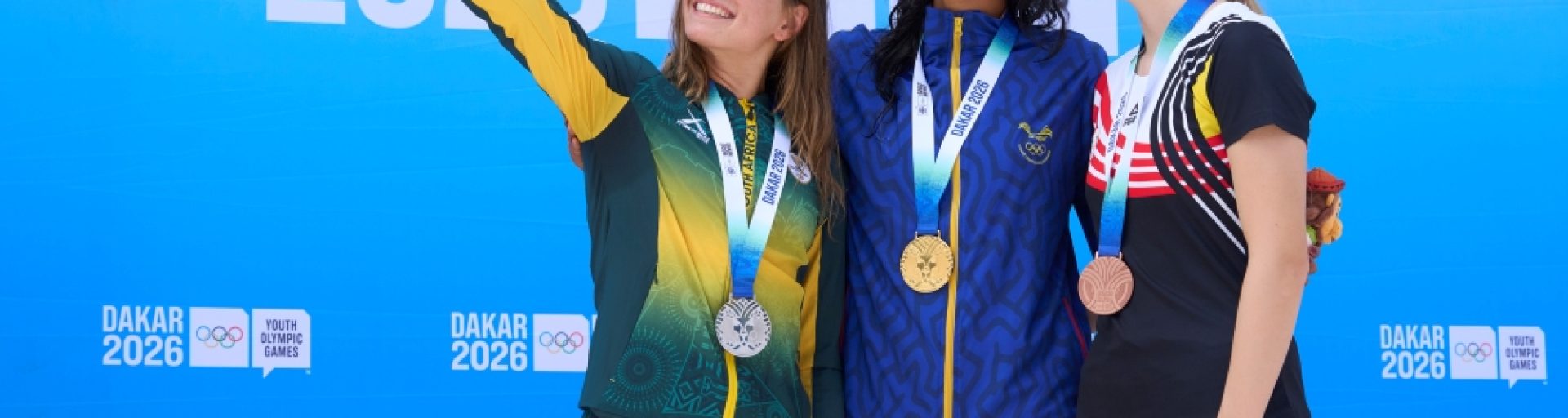
One of the standout experiences at Dakar 2026 was the introduction of the Olympic Victory Selfie at the Youth Olympic Games.
First introduced at Paris 2024, the initiative allows medal-winning athletes to capture their celebrations directly from the podium, creating a personal perspective on moments traditionally reserved for official photographers.
At Dakar 2026, young athletes experienced this tradition for the first time, using the Galaxy Z Flip7 Olympic Edition to capture their medal-winning celebrations.
It’s a small shift with a meaningful impact. Instead of simply being photographed, athletes become active participants in documenting their achievements.
For young competitors who have spent years working towards their Olympic dreams, these are memories they can share with family, friends and supporters across the world.
(Copyright: IOC/Franco Arland)
Smartphones Are Changing How We Watch Sport
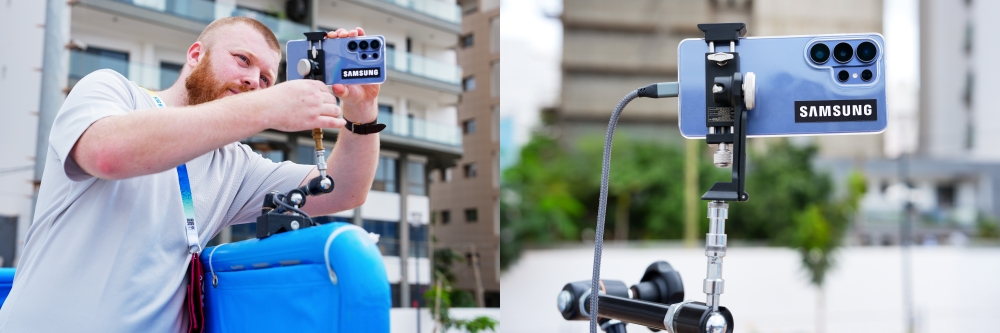
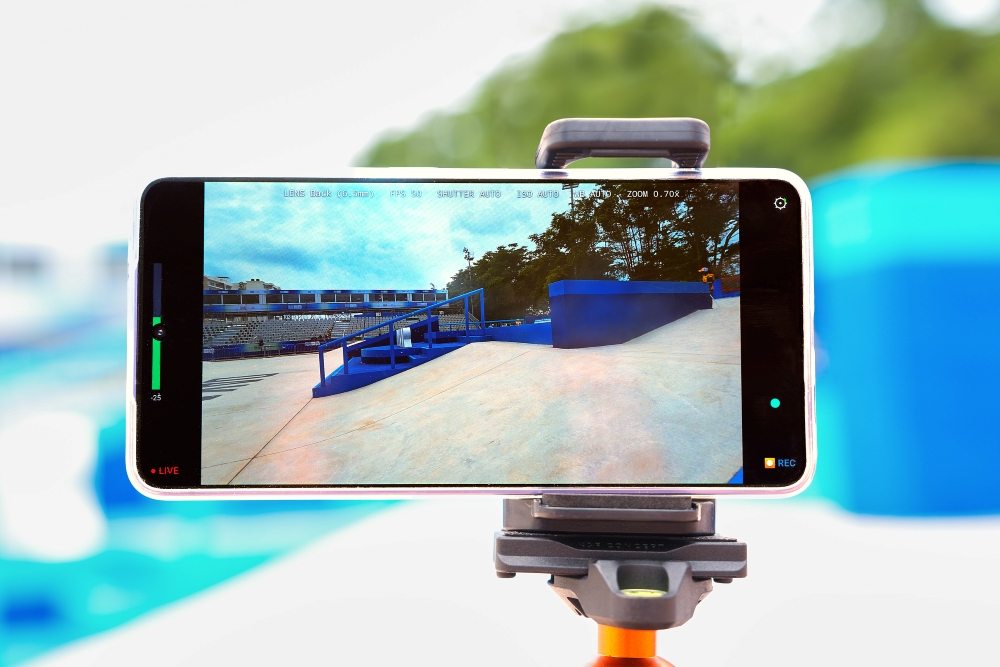
Samsung’s involvement also extended beyond the podium, with the Galaxy S26 Ultra integrated into skateboarding and taekwondo coverage.
The devices captured alternative perspectives alongside traditional broadcast cameras, exploring how smartphone technology could contribute to professional sports production.
The approach also extended to social media. Samsung used Galaxy S26 Ultra devices to capture vertical video content featuring skateboarding, gymnastics and athletics, distributed through International Olympic Committee social channels.
This reflects a wider shift in sports entertainment.
Today’s audiences increasingly experience major sporting events through short-form videos, behind-the-scenes footage and mobile-first content. The ability to capture dynamic action and deliver it in formats designed for social platforms creates new opportunities to connect with younger audiences.
Olympic Broadcasting Services Chief Production Officer Mark Wallace highlighted the value of the collaboration, explaining that the technology integrations at Dakar would help inform future production ideas ahead of the LA28 Games.
Where Sport Meets Culture and Creativity
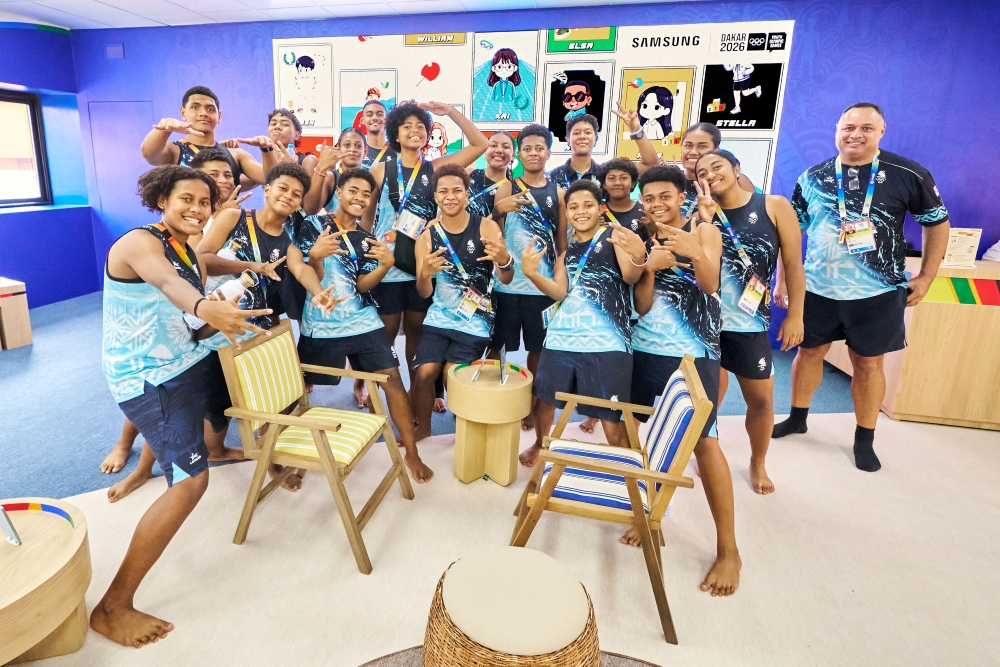
Away from competition venues, Samsung Open Station created another dimension of the athlete experience inside the Youth Olympic Village.
The interactive space gave competitors opportunities to express their personalities, explore technology and connect with athletes from different countries.
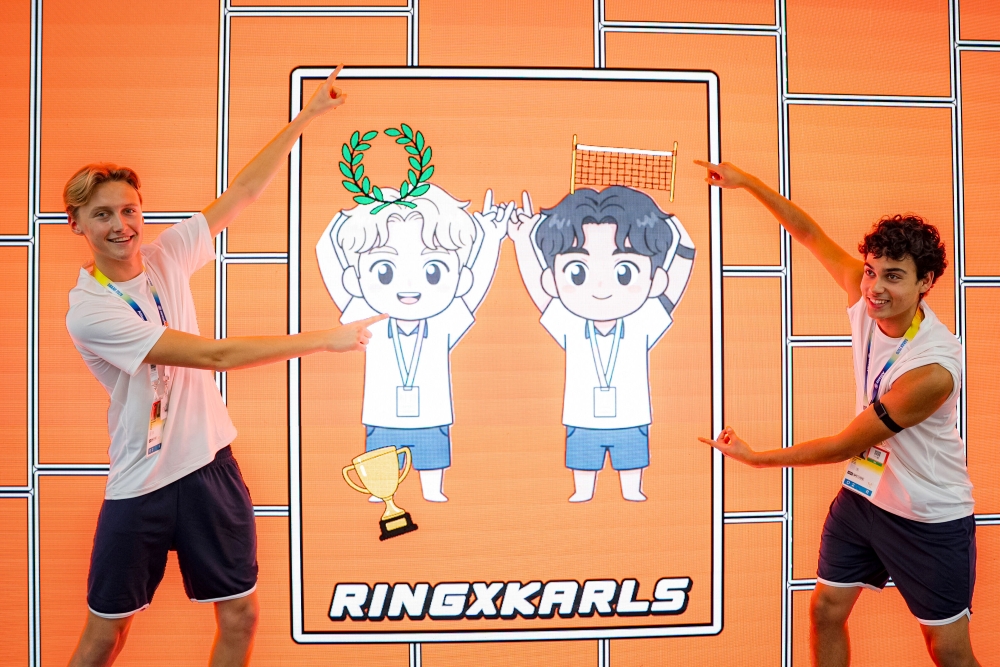
Activities included the Victory Wall, where athletes designed Olympic-themed characters and posters, the Victory Photo Zone for selfies, and Victory Talk, where participants recorded messages about their experiences and future ambitions.
The Community Lounge added mobile gaming, personalised keychain-making and Galaxy Tips demonstrations to the mix.
For Team Cook Islands swimmer Alicia Story, the Victory Wall was a particular highlight because it showcased the different personalities and creative perspectives of athletes from around the world.
Two-time Olympic street skateboarding medallist Rayssa Leal also visited the space as a Dakar 2026 Athlete Role Model and Samsung Global Ambassador, engaging with the next generation of sporting talent.
What Dakar 2026 Means for the Future of Sport
Samsung’s presence at Dakar 2026 highlights how the relationship between sport, technology and youth culture continues to evolve.
For South Africa and the wider African sporting community, the conversation is particularly relevant. As digital platforms reshape how sporting talent is discovered, celebrated and supported, accessible storytelling tools can help athletes build audiences beyond the competition arena.
The bigger opportunity is not simply about having better cameras or more connected devices. It is about giving athletes more ways to own their narratives, preserve their journeys and connect with people who might never experience their performances in person.
Samsung plans to carry the insights gained in Dakar into its ongoing Olympic partnership, with the LA28 Games providing the next major opportunity to explore immersive experiences and new approaches to sports broadcasting.
Africa’s first Olympic sporting event has created a significant moment in sporting history. Samsung’s contribution suggests that the future of that history will increasingly be captured not only by broadcasters, but also by the athletes themselves.