
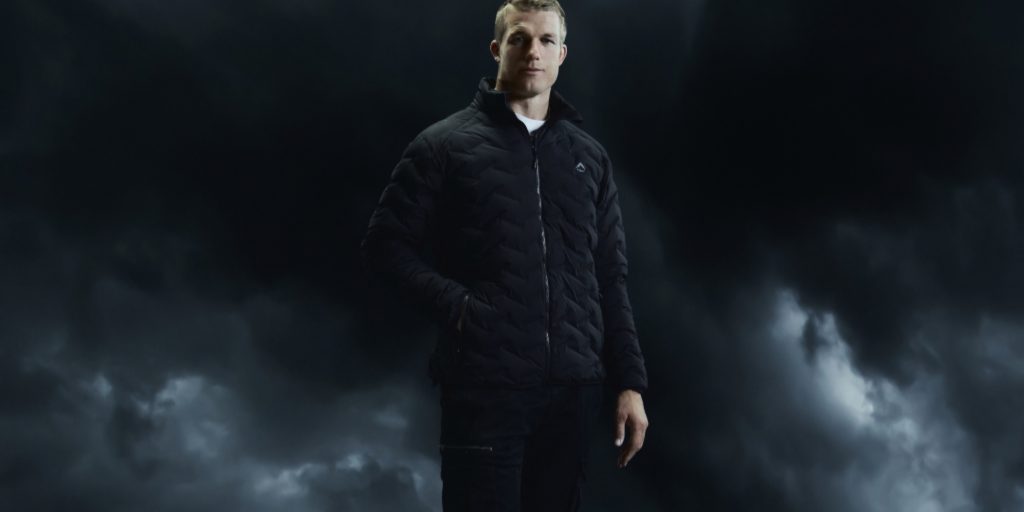
There are few pieces of clothing that feel as instantly South African as the K-Way puffer jacket.
From early-morning commutes to weekend escapes into the mountains, the unmistakable jacket has become part of the country’s winter uniform. There’s even an airport joke about spotting the South African boarding gate by simply following the trail of K-Way puffers.
But when a product becomes this recognisable, there is an unfortunate side effect: counterfeiters want a piece of the action.
More Than Just a Jacket
K-Way, a brand under the Cape Union Mart Group, has built its reputation around outdoor clothing designed for South African conditions. Its popularity isn’t simply about the puffer’s instantly recognisable look.
Behind the jacket is product development, technical testing and local manufacturing designed to deliver warmth, durability and weather resistance.
That distinction becomes important when shoppers encounter suspiciously cheap versions online, at informal markets or through social-media marketplaces.
A counterfeit might look convincing in a photograph. It might even copy the logo almost perfectly. But it doesn’t necessarily carry the technology, materials or quality control behind the original.
And that difference can become very real when the temperature drops.
The Local Jobs Behind the Logo
Perhaps the biggest part of the counterfeit conversation is something consumers don’t immediately see: the people behind the product.
Cape Union Mart manufactures K-Way products locally in Cape Town and employs more than 900 people across its manufacturing and distribution operations.
That means buying an authentic product supports an ecosystem that stretches beyond the shop floor — from designers and manufacturing teams to warehouse workers, retail employees and supply-chain partners.
For South Africa, where local manufacturing and specialised skills remain crucial to economic growth, that makes the counterfeit debate bigger than brand protection.
It becomes a conversation about what kind of fashion economy consumers want to support.
Why K-Way Became a Target
Counterfeiters naturally gravitate towards brands with strong recognition and aspirational appeal.
K-Way ticks both boxes.
Its puffers, softshell jackets and beanies have become familiar pieces of South African winter style, while technologies such as Thermadown and Hydroguard are part of the performance story that separates the authentic product from an imitation.
A knockoff can reproduce the silhouette. It can’t necessarily reproduce the research, testing and technical development underneath it.
How to Avoid the “Fauxffer”
The easiest way to avoid counterfeit clothing is to pay attention to the details.
Authentic K-Way products feature specific branding, quality stitching, premium materials and proper product tags and packaging. Warning signs can include distorted logos, loose threads, uneven panels, poor-quality zips, generic packaging or suspicious product information.
And perhaps the simplest rule is also the most important: where you buy matters.
Consumers looking for the real K-Way experience should purchase through official Cape Union Mart retail stores or its official online store.
Because when a jacket has become part of the culture, authenticity isn’t just about owning the logo. It’s about knowing what — and who — you’re supporting when you wear it.