Live to Work…Nah. Work Where Life Happens
By Penelope Meniere, National Marketing Manager at Workshop17
Work-life balance is quietly clocking out. In its place comes a way of working that actually reflects how people live, with meetings, school runs, errands and coffee breaks sharing the same daylight hours. When work happens where life already unfolds, the day feels lighter, teams stay focused and productivity follows without the pressure.
This is not a trend. It is a practical reset in how the modern office fits into real life.
2026 has arrived with a fresh set of office habits and a growing sense that one overused workplace mantra has run its course. Work-life balance had a good innings, but if we are really being honest, it never quite balanced, did it? The idea looks great on paper, yet most professionals know their days refuse to sit in tidy halves.
The truth is simple: life does not neatly divide itself between “work” and “personal.” It flows continuously, and the old model has struggled to keep up.
Enter Work-Life Integration
What is stepping in to take its place feels far more believable — work-life integration.
Life does not pause when the workday begins. It carries on, weaving through the hours in a way that feels natural. Dentist appointments, school pickups, strategy sessions, board meetings, coffee runs and deadlines all share the same space. Instead of pulling in opposite directions, they form part of a fuller, more realistic day.
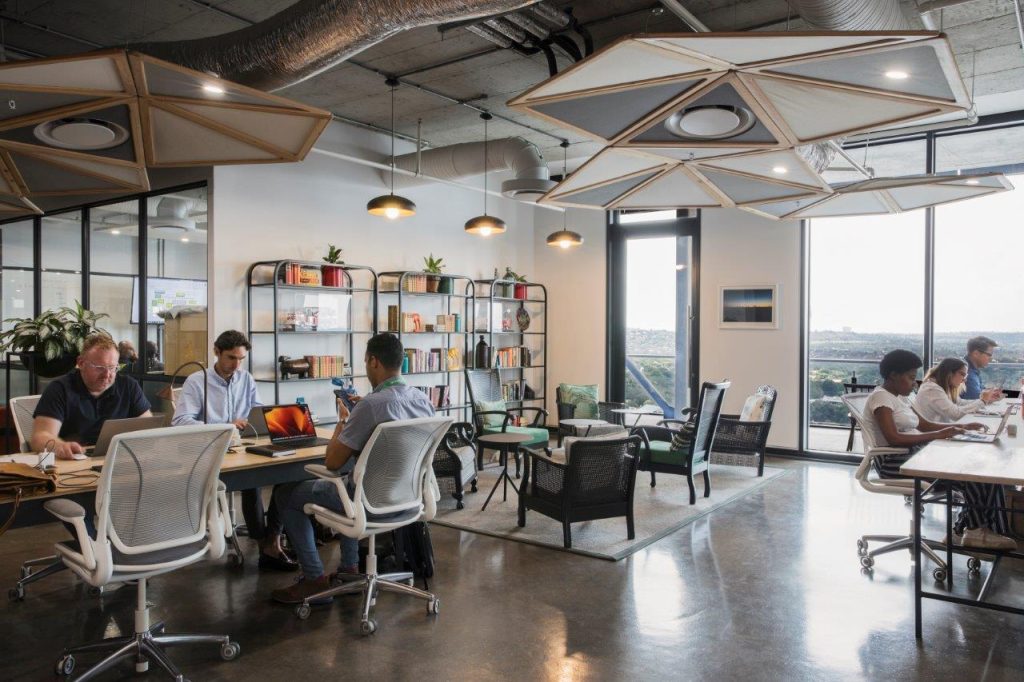
This mindset is shaping a quieter but meaningful shift in what people expect from their work environments.
The Rise of Flexible Workspaces
Professionals today are looking for spaces that exist within their lives rather than outside of them. Places where stepping out for lunch, running errands or taking a breather does not derail the entire day.
Flexible workspace communities are responding by positioning themselves closer to the rhythm of everyday life. When offices are embedded in vibrant neighbourhoods, the benefits are immediate and tangible. Time feels reclaimed, stress levels ease and focus improves organically.
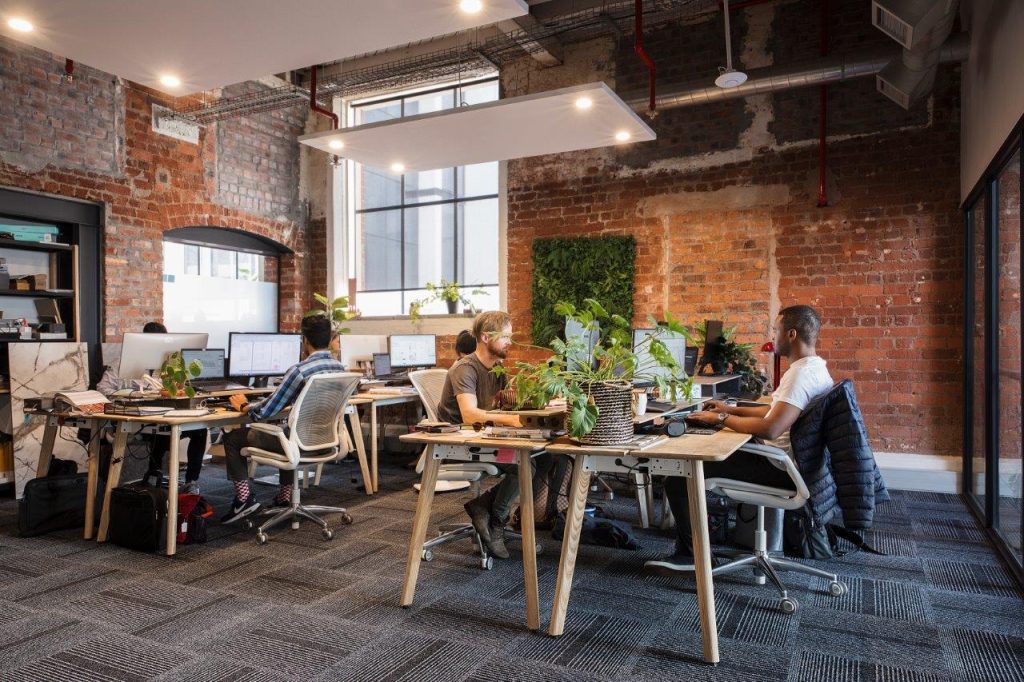
The result is not just convenience — it is a better quality of workday.
More Than Just a Workspace
There is also a human element that cannot be ignored.
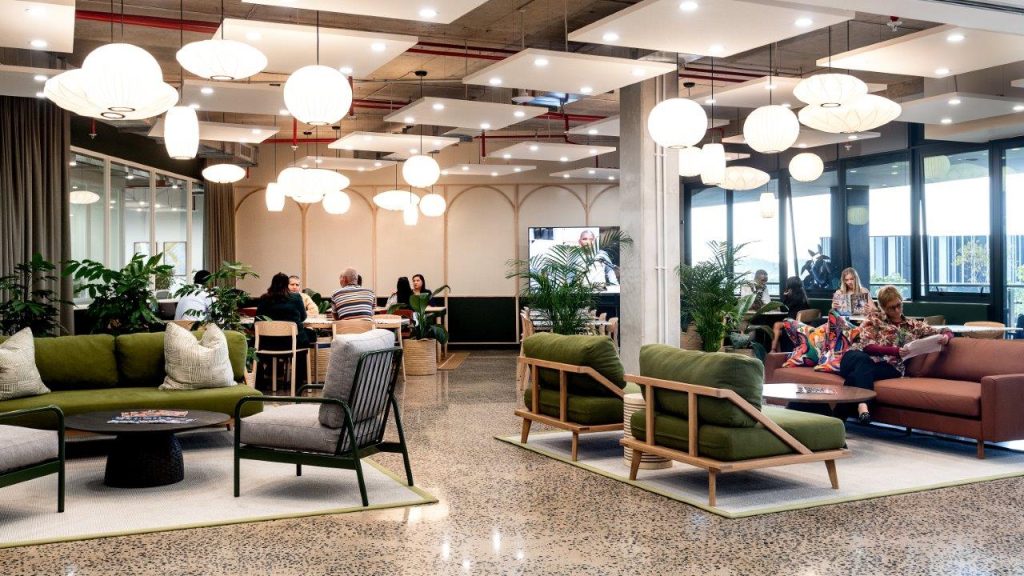
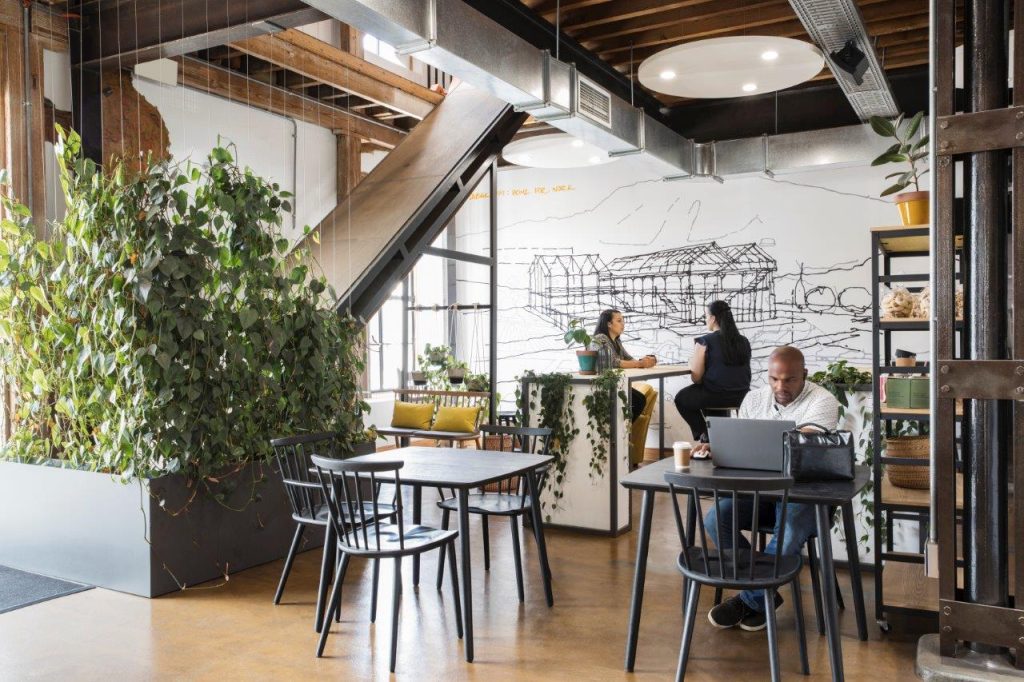
These environments tend to foster personality, warmth and connection. Conversations flow more easily. Familiar faces become part of the routine. There is a sense that people are not expected to leave their humanity at the door.
It is a shift from purely functional offices to spaces that feel alive and considered.
Why Businesses Should Pay Attention
For decision-makers, work-life integration is more than a cultural shift — it is a strategic advantage.
Organisations embracing this approach are seeing stronger focus, improved retention and lower stress levels among employees. Teams show up with more energy, and that translates into better output.
Happier people tend to do better work. It is straightforward, and increasingly, it is measurable.
There is also a clear commercial upside. When professionals have autonomy and everyday convenience within reach, performance improves without the need for rigid structures or constant oversight.
A Smarter Way to Work
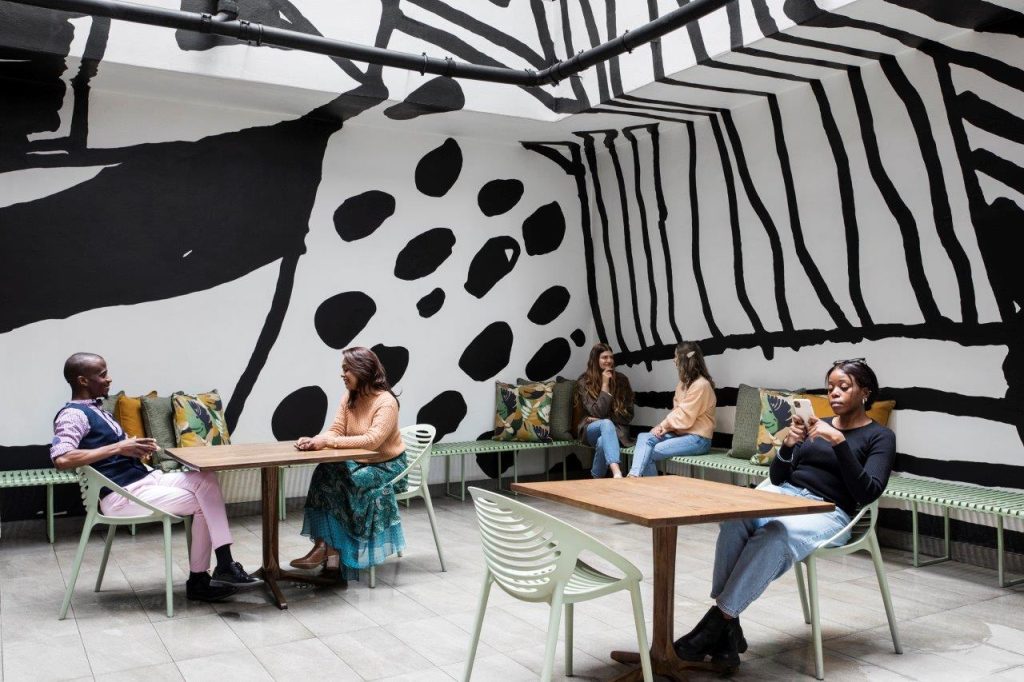
As 2026 unfolds, the workplace is being redefined by three key drivers: autonomy, accessibility and adaptability.
Work is no longer something that exists separately from life. Instead, it fits into a life already in motion.
And perhaps that is the real shift.
Live to work? Not anymore. Work simply works better when it happens where life does.
For more information, visit www.workshop17.com