A visit to the Bothongo Rhino & Lion Nature Reserve is more than just a nature escape — it’s a front-row seat to unforgettable wildlife moments waiting to be captured. From powerful predators moving through the bush to sweeping Highveld landscapes under golden skies, every turn offers a frame-worthy opportunity.
Whether you’re embarking on a self-drive adventure, enjoying a guided game drive, or exploring the iconic WonderCave, the reserve delivers endless chances to capture breathtaking wildlife and scenic imagery. With the right techniques, your photos can truly reflect the beauty and spirit of the African wilderness.
Gear Essentials for Success
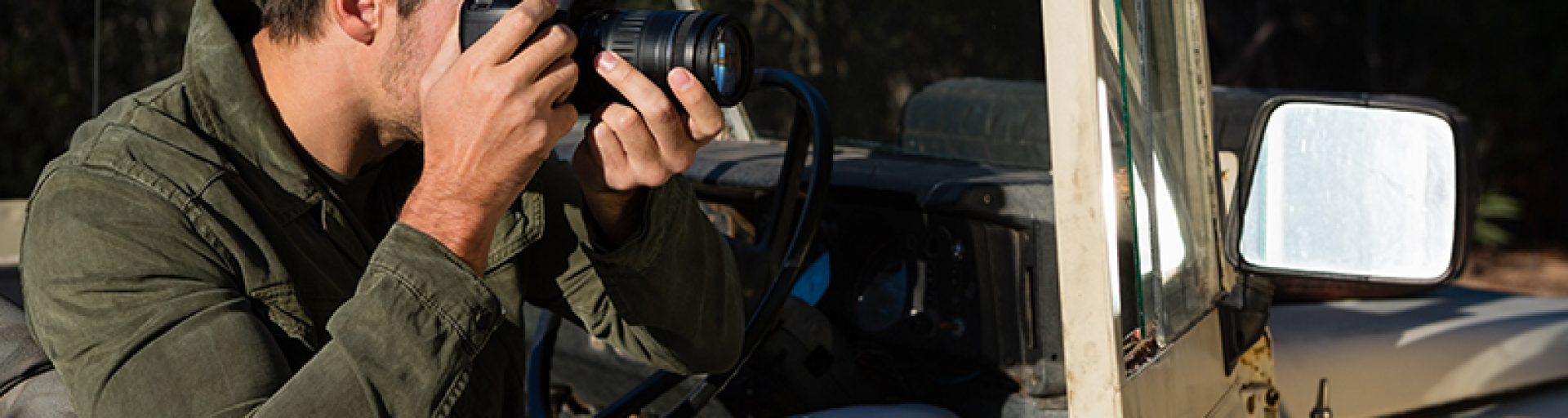
Capturing wildlife requires the right equipment. A telephoto lens of 200mm or more allows you to photograph animals safely while still capturing intricate details — from the texture of a rhino’s skin to the movement of a lion’s mane. Pair this with a wide-angle lens for expansive landscapes, dramatic skies, and environmental shots that place animals within their habitat.
Stability is key, especially in low-light conditions. A tripod or monopod can make all the difference in achieving sharp images. When photographing moving subjects during game drives, a fast shutter speed of at least 1/500s helps freeze action and ensures crisp results.
Master Composition and Timing
Strong composition transforms a good photo into a powerful one. Use the rule of thirds to position your subject, placing key elements like an animal’s eye at focal points within the frame. Shooting at eye level creates a more intimate and engaging perspective, drawing viewers into the scene.
For landscapes, incorporate natural leading lines such as winding roads, ridges, or tree lines to guide the viewer’s eye. Timing is equally important — the golden hours at sunrise and sunset provide soft, warm light that enhances textures, depth, and mood, perfect for dramatic silhouettes and glowing tones.
Handle Lighting Like a Pro
Lighting can make or break your shot. Harsh midday sun can wash out details, so use spot metering to expose correctly for your subject and avoid overexposure. Backlighting can create striking halo effects around animals, adding a creative edge to your images.
Overcast days, often overlooked, are ideal for photography. The diffused light acts as a natural softbox, delivering even lighting, richer colours, and less contrast. Keeping your ISO low on such days helps maintain image quality and reduces noise.
Patience and Respect Yield the Best Shots
Wildlife photography is as much about patience as it is about skill. Take time to observe animal behaviour — a yawn, a stretch, or a sudden interaction can create a compelling image. Shooting in burst mode increases your chances of capturing these fleeting moments.
Respect for wildlife is essential. Stay quiet, keep a safe distance, and avoid disturbing animals. When animals are relaxed, their natural behaviour shines through, resulting in more authentic and powerful photographs.
Post-Shoot Polish
Editing is the final step in bringing your images to life. Subtle adjustments to contrast, clarity, and colour can enhance your photos while preserving their natural feel. The goal is to refine, not overpower, the story captured in your frame.
“Our reserve is a photographer’s paradise, with over 650 animals across 1,200 hectares and stunning Cradle of Humankind scenery. These tips help visitors not just take photos, but tell stories that capture the true beauty of Africa.”
As Didi Mahlo, Field Guide at the reserve, explains:
Visitors are encouraged to book guided game drives or explore the WonderCave experience online. Sharing your images and tagging @rhinoandlion also gives you a chance to be featured and inspire fellow photographers.