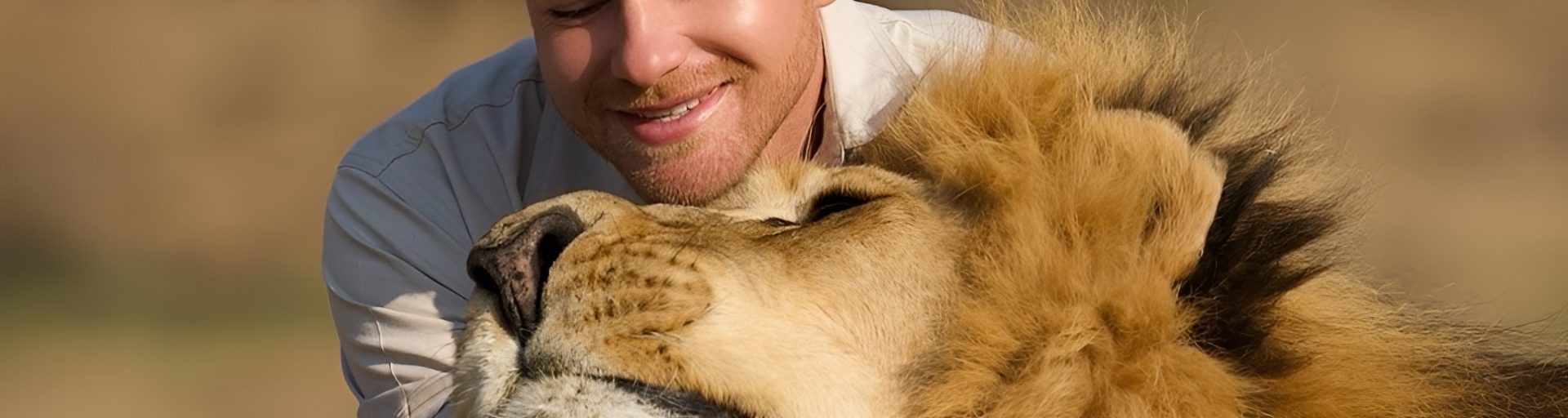
Shandor Larenty Roars About The True Impact of Tourism in South Africa
Tourism is one of South Africa’s most powerful industries, fuelling economic growth, creating jobs, and sustaining conservation efforts that protect the country’s unique natural heritage. This Tourism Month, attention turns to the role of attractions like the Lion & Safari Park in showcasing South Africa’s wildlife while making it accessible to local communities.
Shandor Larenty, Group Wildlife and Conservation Manager at the Lion & Safari Park, shares why tourism is so vital to South Africa and how the park helps position Johannesburg as a must-visit destination where culture, conservation, and unforgettable experiences intersect.
Tourism Month: A Celebration of Culture and Conservation
“Tourism Month is a reminder of how important travel and experiences are, not only for the economy but also for cultural exchange,”.
says Larenty
For South Africa, it highlights the country’s diversity—from wildlife and landscapes to communities—while emphasizing that tourism supports conservation, creates jobs, and sustains entire industries.
Changing Perceptions of South Africa
According to Larenty, travellers are increasingly seeking authentic, experience-driven journeys.
“South Africa is no longer just a safari stop; it’s a destination where wildlife, culture, food, and city life converge. With greater focus on safety and conservation, travellers realise they can enjoy world-class experiences that also make a positive impact.”
Wildlife Attractions as Gateways
The Lion & Safari Park serves as an accessible gateway to Africa’s wildlife. Over 60% of the 30,000 school children visiting annually come from disadvantaged communities, experiencing wildlife they might never see otherwise.
“Our programmes give them a once-in-a-lifetime opportunity to learn about and connect with South Africa’s magical wildlife,”.
Larenty explains
Balancing Tourism and Conservation
Tourism at the park always prioritises animal welfare. Funds generated from visitors go directly into animal care, habitat maintenance, and broader conservation projects. Larenty stresses that the unseen work—nutrition management, veterinary care, anti-poaching measures—is crucial to sustaining wildlife for the long term.
Changing Johannesburg’s Wildlife Narrative
Johannesburg isn’t typically thought of as a wildlife destination, but the park challenges that notion by offering a genuine safari experience minutes from the city. Visitors don’t need to travel far to engage with nature, positioning Johannesburg as more than a business or cultural hub.
A Must-Visit for Locals and Tourists
The Lion & Safari Park combines accessibility, authenticity, and diversity. Visitors can see lions, cheetahs, hyenas, giraffes, and more in one immersive, family-friendly visit. For international travellers, it’s an ideal introduction; for locals, it’s a reminder of the natural heritage right on their doorstep.
Memorable Moments
Larenty shares amusing tourist questions, like asking if lions “switch on” at night or whether giraffes lay eggs—moments that highlight the importance of wildlife education. One uniquely South African experience that delights visitors? Tasting biltong for the first time.
Supporting Tourism Locally
South Africans can play a bigger role by exploring their own country—visiting attractions, dining locally, booking tours, and sharing experiences online.
“Every local visitor helps sustain jobs and conservation efforts,”.
says Larenty
Tourism, as Larenty reminds us, isn’t just about gates and ticket sales—it’s about creating opportunities, inspiring conservation, and building pride in South Africa. This Tourism Month, investing in tourism means investing in the country’s future.