
South Africans Are Done Being Sold To — They Want Skincare That Works

By Nick Hunt, General Manager, RTSC (Retail Therapy Strategic Consulting Pty Ltd)
Walk down any major skincare aisle in South Africa today, and something subtle but unmistakable has shifted. The shelves are still polished, the packaging still beautiful—but the shopper standing in front of them is no longer focused on the promise printed on the front.
They are turning the product around.
Instead of being drawn in by words like “luminous” or “youthful,” today’s consumer is scanning for ingredients like glycolic acid, niacinamide, and retinol. They have done the research. They have watched tutorials, read ingredient breakdowns, and invested time in understanding what actually works for their skin.
If it is not backed by science, it is increasingly not making it into their basket.
“The shift we are seeing is not just about product preference. It’s about a fundamentally different relationship between the consumer and the category. South Africans have become genuinely ingredient-literate. They are approaching skincare the way they approach health; with questions, with scepticism, and with high expectations.”
— Nick Hunt
The Numbers Back It Up
This transformation is not just anecdotal—it is backed by global and local data.
The dermocosmetics market, where beauty meets clinical science, was valued at USD 47.91 billion in 2025 and is projected to reach USD 117 billion by 2034. Meanwhile, skincare is expected to account for around 40% of the global beauty industry’s value by 2030, making it the largest category in the sector.
Consumer behaviour tells the same story. Around 68% of global shoppers now actively seek products formulated with clinically active ingredients. Search trends reflect growing awareness, with terms like salicylic acid, retinol, and niacinamide ranking among the most searched skincare topics—not driven by advertising, but by education.
Closer to home, South Africa’s beauty market continues to outperform expectations. The industry grew 7% year-on-year to reach USD 3.9 billion in 2024, significantly ahead of national GDP growth. The skincare segment alone is projected to grow from USD 832.76 million in 2025 to USD 1.25 billion by 2031, with the anti-ageing category expected to nearly double by 2030.
Retail performance mirrors this momentum. At Clicks, beauty and personal care grew 7.4% in FY2025 and now contributes more revenue than pharmaceuticals.
“What the data confirms is what we are seeing on the ground every day. This category is growing because consumers are demanding more from it—not because of clever marketing, but because the products are delivering visible results.”
— Nick Hunt
A New Consumer Has Arrived
Driving much of this shift is a younger, digitally fluent consumer—particularly Gen Z—who has grown up with instant access to dermatological knowledge.
A survey of 7,000 South African Gen Z consumers reveals that skincare is the leading beauty category, with 94% actively purchasing products and 57% buying directly via social media platforms.
They are not engaging with traditional advertising. Instead, they are consuming educational content—ingredient explainers, dermatologist insights, and real user reviews that break down formulations in simple, honest terms.
“Social media has become a powerful democratiser of skincare knowledge. A 22-year-old in Johannesburg now has access to the same information as a dermatologist’s patient in London. That has fundamentally changed the conversation and raised the bar for every brand.”
— Nick Hunt
The result is a more intentional consumer—one who builds targeted routines designed to address specific concerns such as acne, pigmentation, barrier repair, or sun damage.
What This Means for Retail
For retailers, this evolution presents both a challenge and a major opportunity.
The traditional beauty aisle—organised by brand, packaging, and visual appeal—no longer aligns with how consumers shop. Today’s customer navigates skincare by concern, ingredient, and expected outcome.
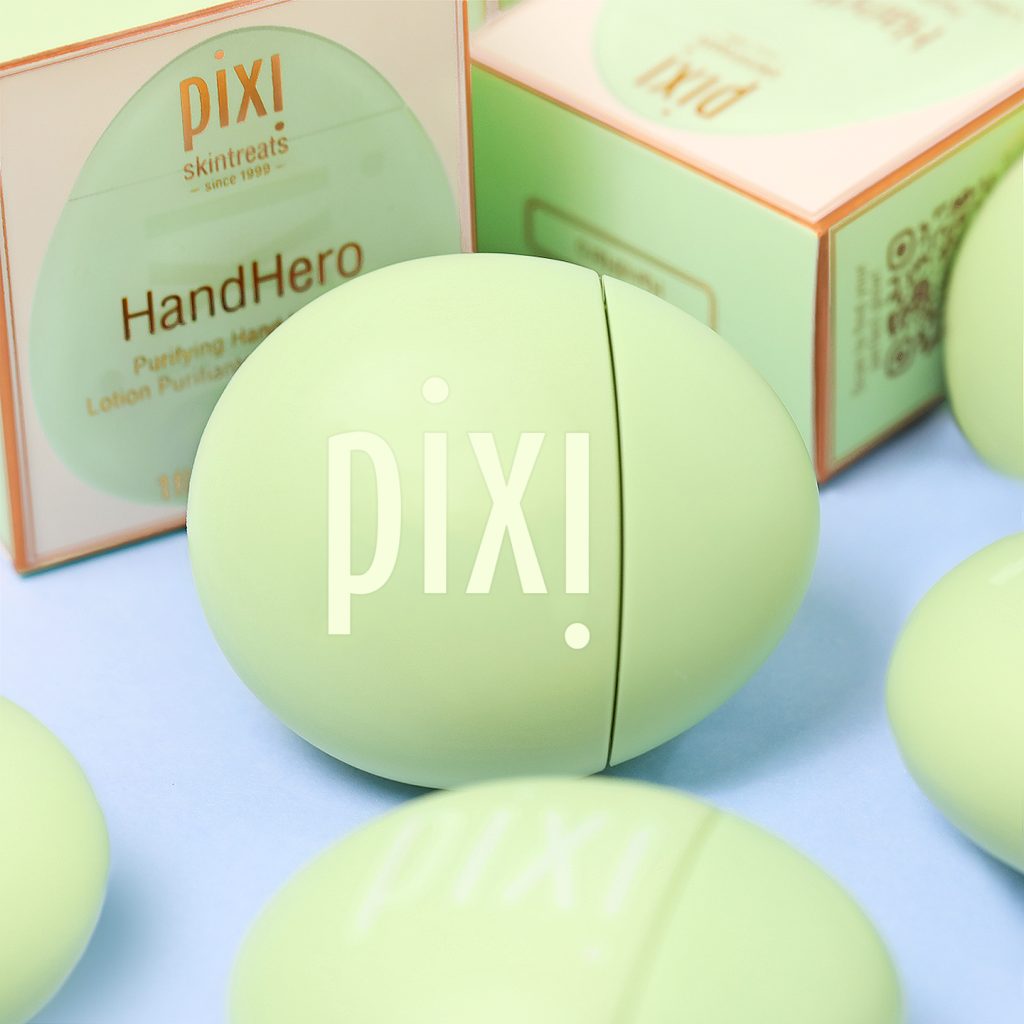
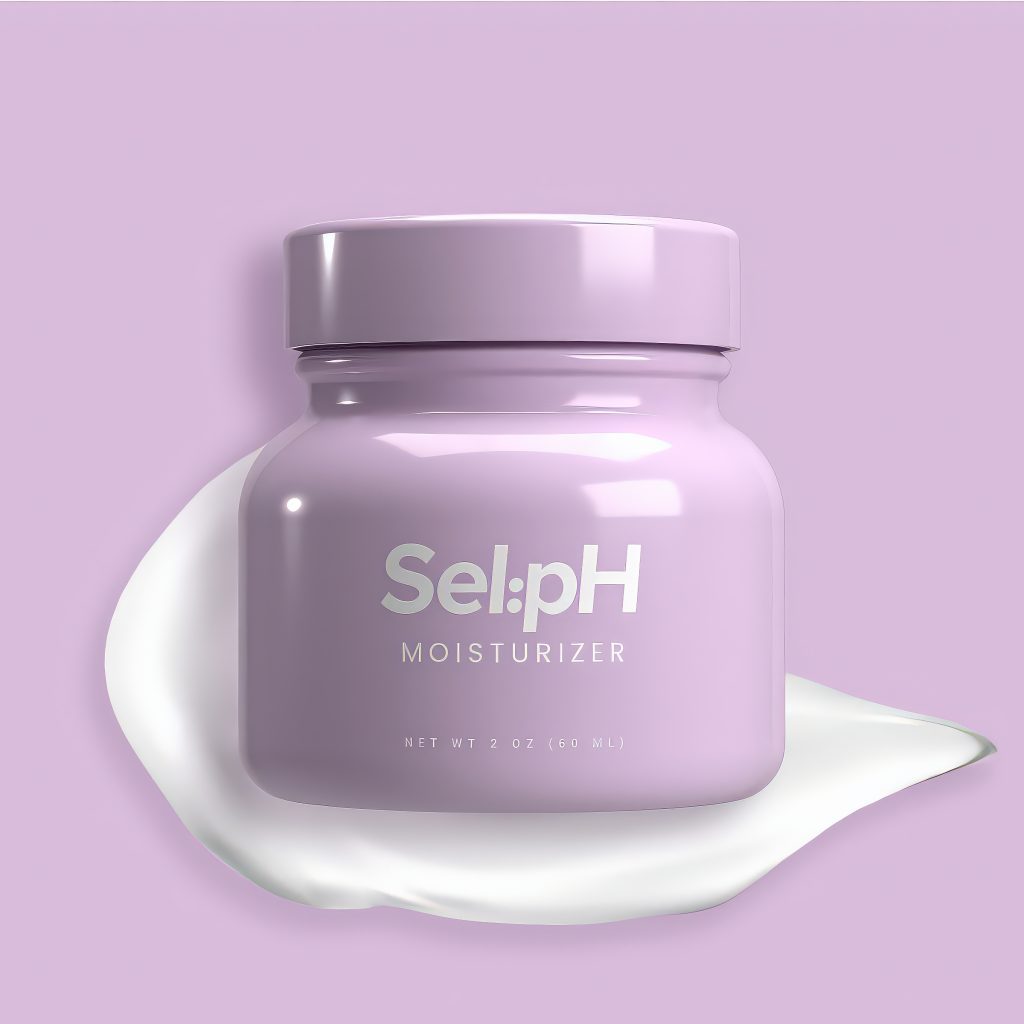
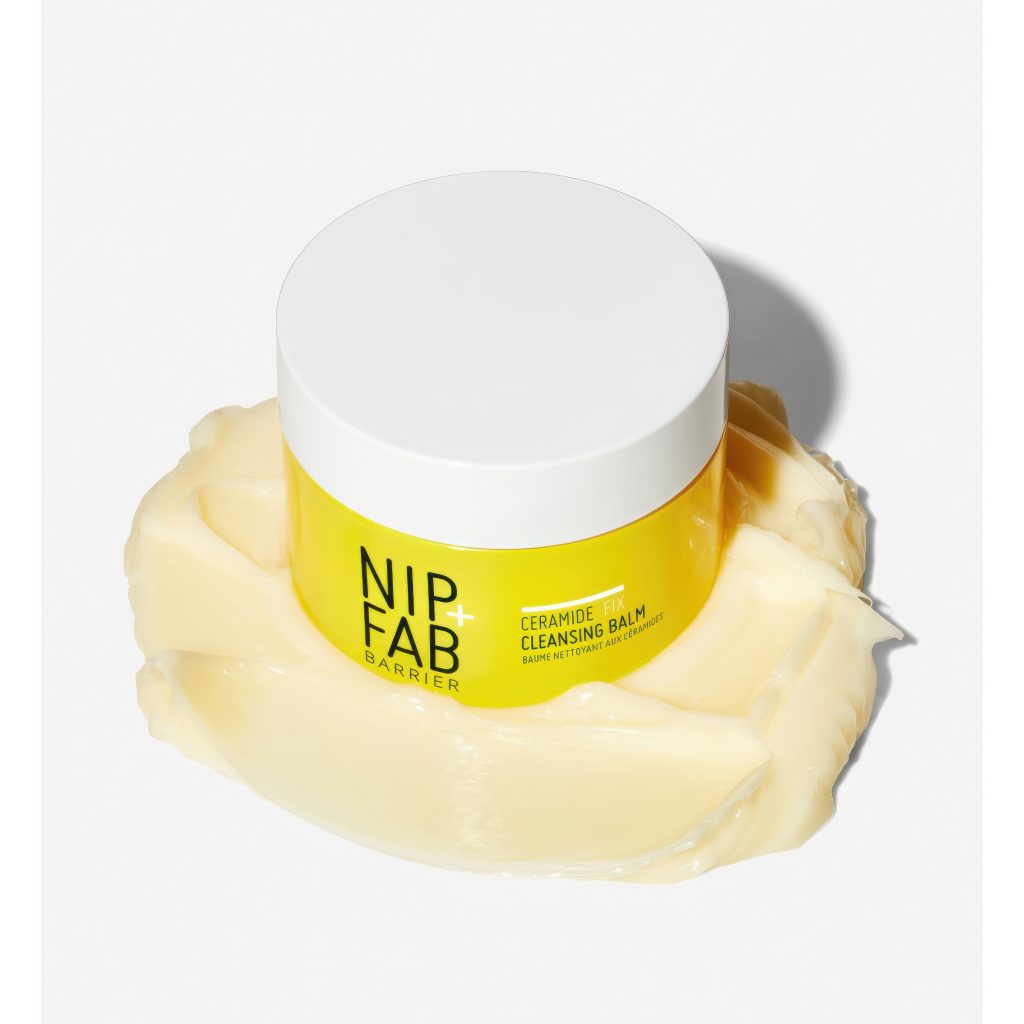
Brands like Nip+Fab and Sel:PH are gaining traction in South Africa because they lead with clinically active formulations and clear messaging. They are not selling aspiration—they are selling results.
“Retailers need to start thinking less like beauty merchants and more like skin health advisors. That means organising shelves around concerns, investing in clearer education, and curating ranges with genuine clinical credibility.”
— Nick Hunt
The brands that combine strong science with honest communication are the ones that will define the next decade of skincare.
The Bottom Line
The shift is already happening. South African consumers are more informed, more selective, and less influenced by traditional marketing than ever before.
They are not buying promises anymore.
They are buying proof.
And for the beauty industry, the message is clear: evolve with the consumer—or risk being left behind.