
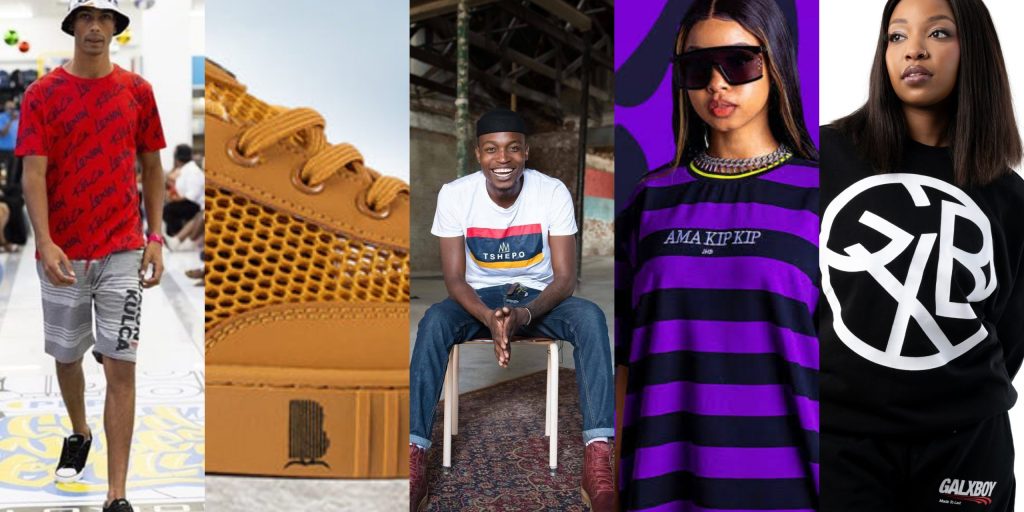
The Rise of South African Streetwear: From Loxion Kulca to Bathu and Beyond
Before South Africa had Bathu sneakers, GALXBOY streetwear, or Tshepo Jeans denim couture, there was Loxion Kulca and Ama Kip Kip — the two brands that defined township cool, street identity, and self-expression in the early 2000s.
These brands weren’t just labels; they were movements born from the streets of Johannesburg. They gave voice to a generation that finally saw itself represented in fashion. And while new-age brands continue to thrive in 2025, the question remains: what happened to the legends that started it all?
Loxion Kulca: The Brand That Defined a Generation
Founded in 1999 by Mzwandile “Wandi” Nzimande and Sechaba Mogale, Loxion Kulca was born from humble beginnings — selling handmade T-shirts and caps from the boot of a car. The name itself, “Loxion,” derived from township slang for “location,” spoke to the essence of where it all began: the streets, the people, the rhythm of South African life.
Drawing inspiration from ubuntu and authentic African identity, Loxion Kulca captured the raw energy of the early democratic era — a time when South Africans were rewriting their narratives. The brand soon caught the attention of Sales House (now Jet Stores), leading to nationwide exposure.
By the 2000s, Loxion Kulca had become a fashion statement for icons like Zola 7, Phat Joe, HHP, and ProKid, the latter even collaborating with the label on a sneaker range. Its popularity was so immense that counterfeit versions flooded the streets — a testament to its demand, but also a challenge that diluted its exclusivity.
In 2019, Loxion Kulca celebrated its 20th anniversary with the SABC1 documentary 20 Years of Loxion Kulca, solidifying its place in fashion history. Tragically, in 2021, co-founder Wandi Nzimande passed away due to COVID-19 complications, marking the end of an era. His vision and leadership had been instrumental in the brand’s success.
Recently, Loxion Kulca and SA Fashion Week paid homage to this legacy through “The Tribute” collection designed by Ole Ledimo of House of Ole — a reminder that the brand’s DNA still flows through the veins of South African fashion.
Ama Kip Kip: The Godfather of Streetwear
If Loxion Kulca represented ubuntu, Ama Kip Kip embodied vibe. Founded in 2006 in Johannesburg, the brand captured the color, confidence, and creativity of the youth. Known for its bold graphics, candy-inspired themes, and unapologetic local flavor, Ama Kip Kip quickly became the “it” label of South African street culture.
Its influence was massive — so much so that GALXBOY’s founder began his journey at Ama Kip Kip before launching his own label, proving how foundational the brand was to the new generation of designers.
Ama Kip Kip’s collections reflected township life, music, and art. It was more than a brand — it was an identity, a statement of pride. However, while it still operates today, it no longer commands the same trendsetting influence.
Why Brands Like Bathu and GALXBOY Are Thriving in 2025
In 2025, brands like Bathu, GALXBOY, Butan Wear, SGOD, Tshepo Jeans, and Maxhosa dominate the fashion landscape — not only locally, but globally. Their success lies in three key elements:
- Authenticity + Innovation
These brands have stayed true to their cultural roots while embracing modern trends, technology, and storytelling. Bathu, for example, turned the simple sneaker into a symbol of progress and pride, while GALXBOY merged local street energy with global streetwear aesthetics. - Digital Presence and Global Vision
The founders of these brands understood the power of social media, influencer marketing, and international collaborations. They built communities, not just customers. - Consistency and Evolution
These brands continuously evolve their designs, messaging, and distribution models — from e-commerce to pop-up activations and influencer partnerships.
Why Loxion Kulca and Ama Kip Kip Faded From the Spotlight
Both brands remain deeply respected, but several challenges led to their decline in mainstream relevance like:
- Counterfeits: Fake merchandise undercut profits and damaged brand image.
Yet, their absence from the spotlight doesn’t diminish their impact — if anything, their pioneering spirit paved the way for every local designer making waves today.
The Legacy Lives On
Without Loxion Kulca and Ama Kip Kip, there would be no Bathu, GALXBOY, or Tshepo Jeans. These two brands laid the foundation for South Africa’s streetwear movement — creating a blueprint of authenticity, culture, and community that continues to shape the industry.
As Loxion Kulca’s “The Tribute” reminded audiences at SA Fashion Week, the past isn’t gone — it’s evolving. The godfathers may have passed the baton, but their spirit remains stitched into every seam of South African fashion today.