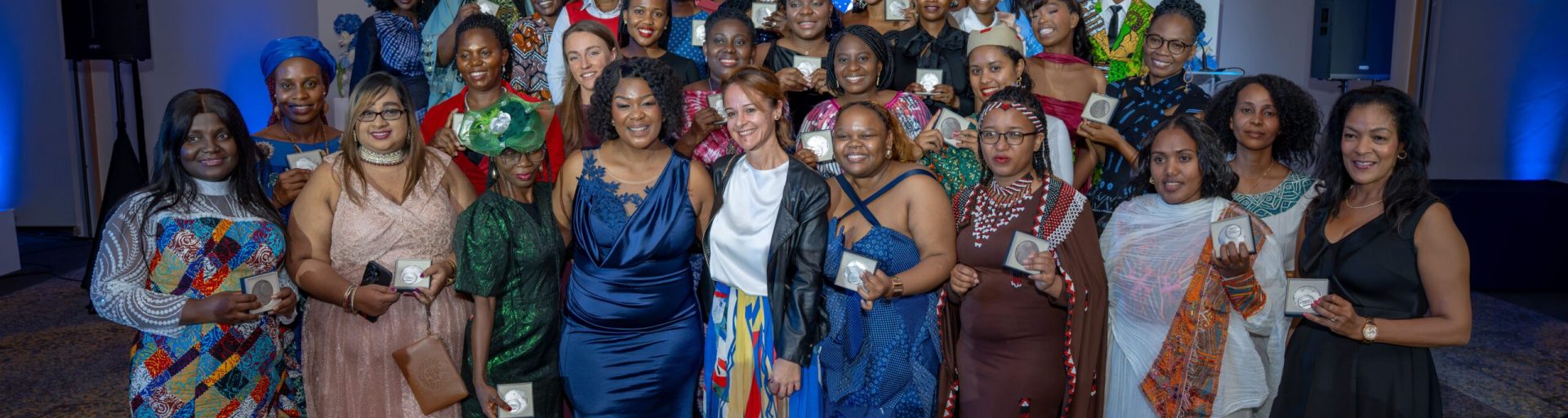
South Africa‘s next generation of scientific breakthroughs is being shaped by women who are asking important questions about the challenges facing our communities. From developing smarter ways to detect diseases to exploring sustainable water solutions and cleaner energy, eight South African researchers are putting African innovation on the map.
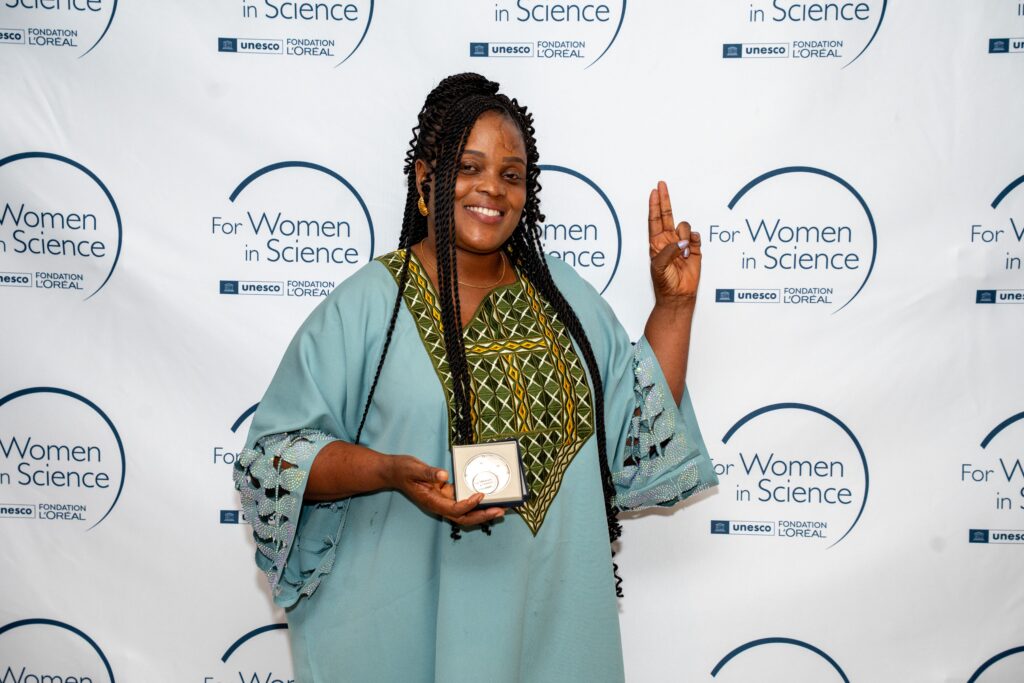
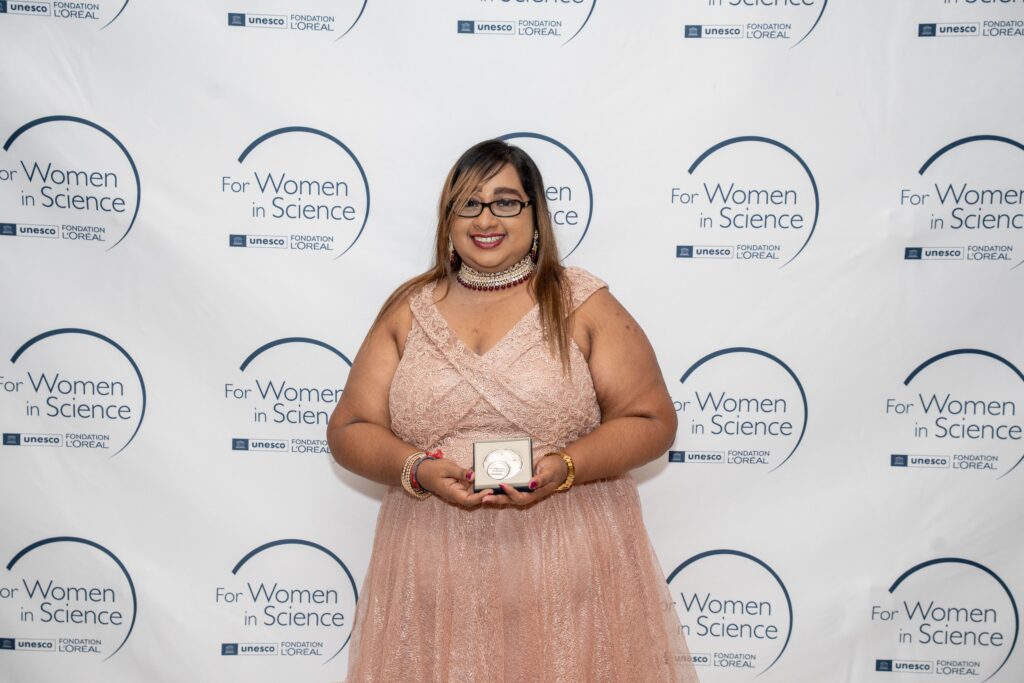
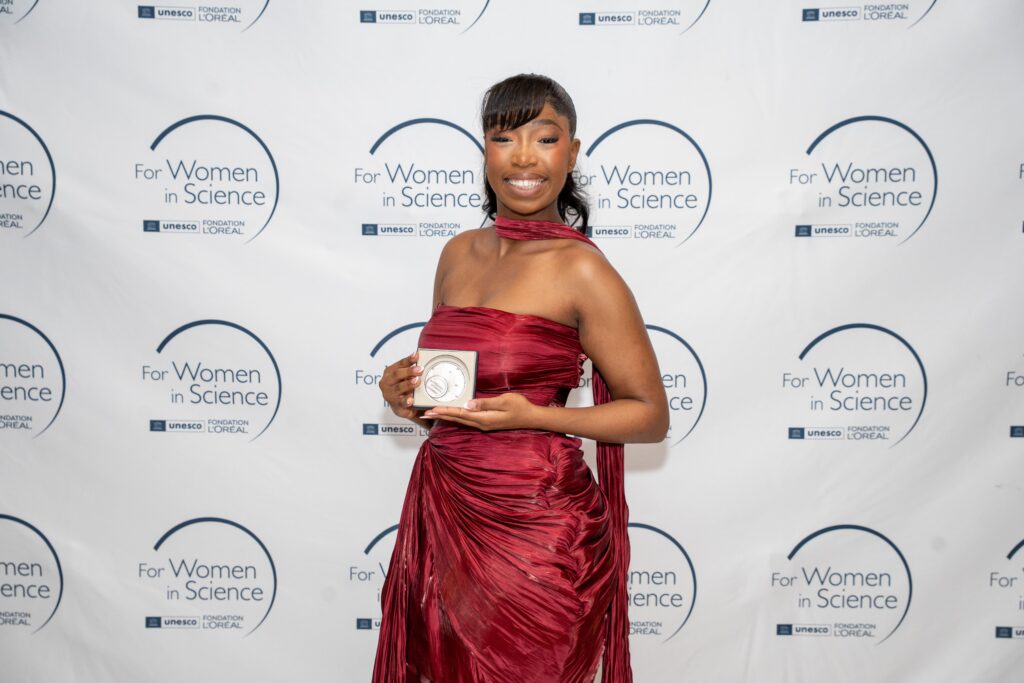
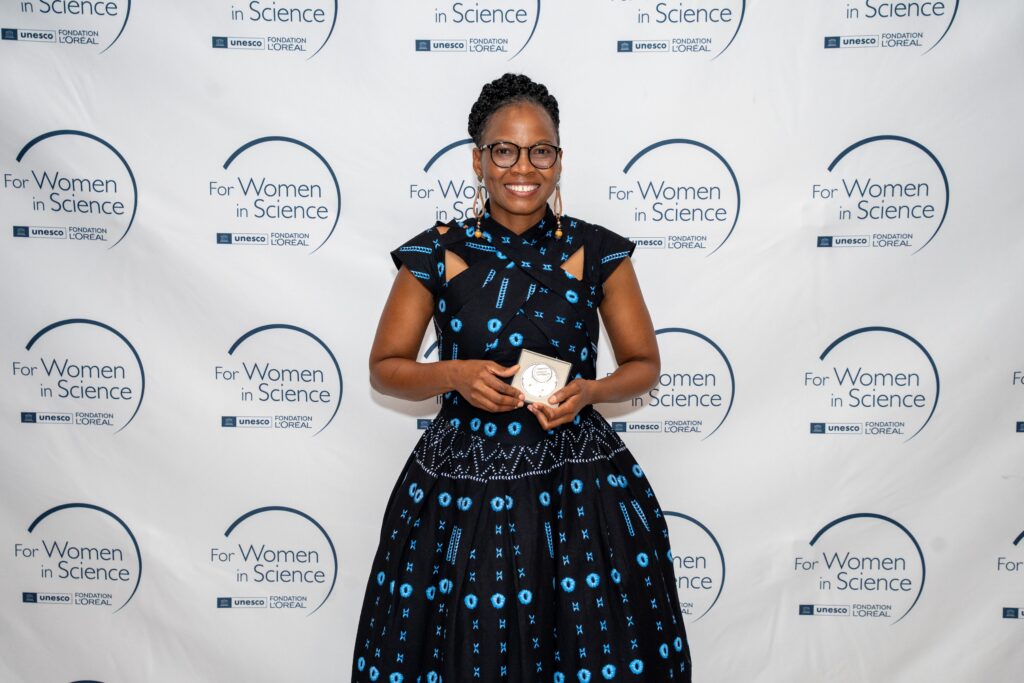
Their work has earned them recognition at the 2026 L’Oréal-UNESCO For Women in Science Awards, held at the @Sandton Hotel, where 38 women scientists from across Sub-Saharan Africa were celebrated.
Selected from more than 1,000 applications, the researchers represent a powerful reminder that some of the most important solutions to Africa’s challenges are already being developed on the continent.
Science That Speaks to African Realities
What makes this year’s awardees particularly exciting is the practical nature of their research.
These aren’t simply academic exercises happening behind university laboratory doors. Their work explores issues that affect everyday life, including water shortages, infectious diseases, food security, healthcare accessibility and the transition towards cleaner energy.
Among the recognised projects are affordable water filters made using clay and cassava peel, energy storage technologies developed from agricultural waste, and artificial intelligence tools designed to improve disease diagnosis.
For South Africa, where communities continue to face infrastructure challenges, environmental pressures and unequal access to healthcare, this kind of research has enormous potential.
Eight Women, Eight Different Paths to Innovation
The South African awardees are tackling challenges across several scientific disciplines.
At the University of Cape Town, Nonjabulo Mbhele is investigating how municipalities manage water and sanitation infrastructure throughout its lifecycle. Her research aims to identify weaknesses and improve the reliability of essential services.
Fellow UCT researcher Nikita Singh is exploring how wastewater can become a valuable resource rather than simply something that needs treatment. By studying the interaction between duckweed and microalgae, she hopes to contribute to more sustainable wastewater management and future biofuel production.
Meanwhile, Shandry Tebele is investigating how drought-tolerant plants interact with microorganisms around their roots. Her research could help inform the development of agricultural crops better equipped to survive water scarcity and changing climate conditions.
In healthcare, Johncy Mahapane from the University of Pretoria is researching ways to extend the shelf life of an investigational radiopharmaceutical being explored for glioblastoma treatment. Improving its distribution could potentially make future treatment options more accessible to distant medical facilities.
Her University of Pretoria colleague, Roxanne Malan, is developing an AI-supported smartphone camera system to help identify and monitor voice disorders, with particular attention to underserved communities.
At Wits, Caitlin Wheeler is investigating genetic patterns associated with autoimmune liver disease, with the aim of contributing to more locally relevant patient care.
Hlengiwe Nombuso Mtetwa from Durban University of Technology is exploring how wastewater could provide early warning signals of tuberculosis, drug resistance and other infectious disease threats.
Completing the South African group, Lebogang Motsomone from the University of Limpopo is using computer modelling to investigate advanced materials that could improve hydrogen storage, contributing to research into future clean-energy technologies.
Breaking Barriers Beyond the Laboratory
Recognition of these researchers also highlights a bigger conversation about women’s representation in science.
According to UNESCO’s 2025 publication, women account for approximately one in three researchers globally. In Sub-Saharan Africa, women represent 33.6% of researchers, while South Africa‘s figure stands at 47.6%, based on 2022 data.
However, representation does not automatically translate into equal opportunities.
An Ipsos study conducted for Fondation L’Oréal found that 81% of women scientists surveyed had experienced sexism during their careers, while 49% reported experiencing sexual harassment.
These realities make platforms that recognise, fund and develop women researchers particularly important.
Michelle Gololo, Corporate Affairs and Engagement Lead at L’Oréal Sub-Saharan Africa, emphasised the importance of visibility, funding and recognition in changing who gets to lead scientific research and inspiring the next generation.
Investing in the Women Shaping Tomorrow
Beyond recognition, the awards provide practical support for continued research.
PhD candidates receive grants of €10,000, while postdoctoral researchers receive €15,000. Recipients also gain access to leadership training, science communication and career development opportunities.
Established in 1998 through a partnership between Fondation L’Oréal and UNESCO, the For Women in Science programme has supported more than 5,000 researchers across over 140 countries.
For young South Africans considering careers in science, technology, engineering and mathematics, these eight women offer something more powerful than inspiration alone: proof that local talent can contribute to solving global challenges.
Their achievements also challenge us to rethink how we recognise innovation. The future of African science isn’t something we need to wait for or import. It is already being researched, tested and developed by women right here on the continent.