The biggest victories in sport aren’t always measured in medals. Sometimes, they come from overcoming setbacks, finding purpose and discovering that your identity extends far beyond the competition.
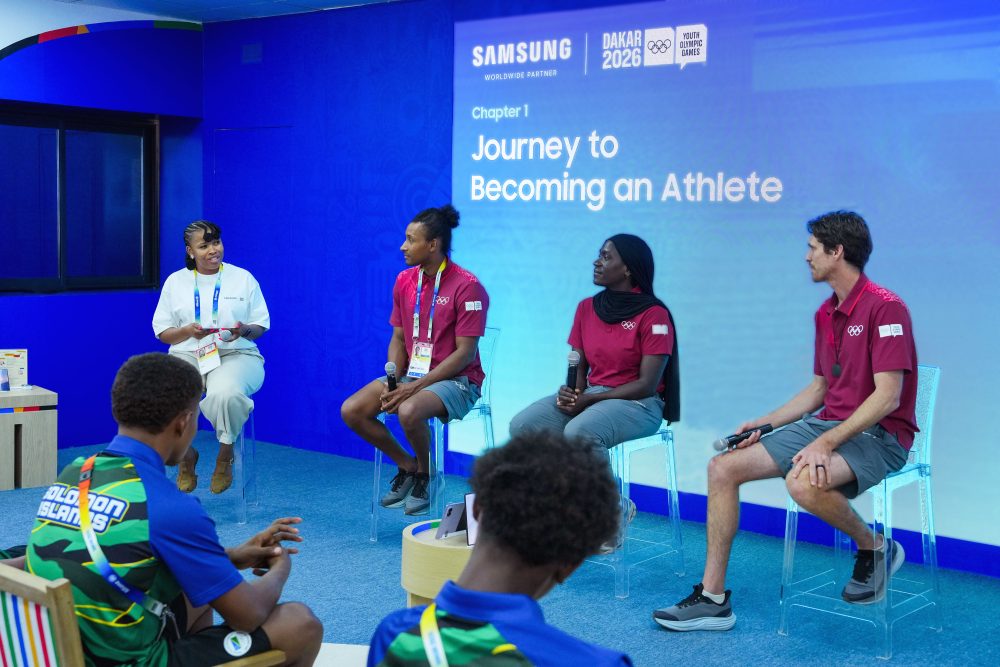
That was the message behind Samsung’s Beyond the Medal: Your Journey Shapes What Comes Next mentoring session at the Dakar 2026 Youth Olympic Games, where experienced Olympians challenged young athletes to think about their futures beyond the sporting arena.
With approximately 2,700 young athletes from around the world competing across 25 sports, Dakar 2026 represents a historic moment for African sport. Running from 31 October to 13 November 2026, it is the first Olympic event ever hosted on African soil, creating an opportunity to rethink how the continent supports and develops its next generation of sporting talent.
More Than Competition: Learning From Those Who Came Before
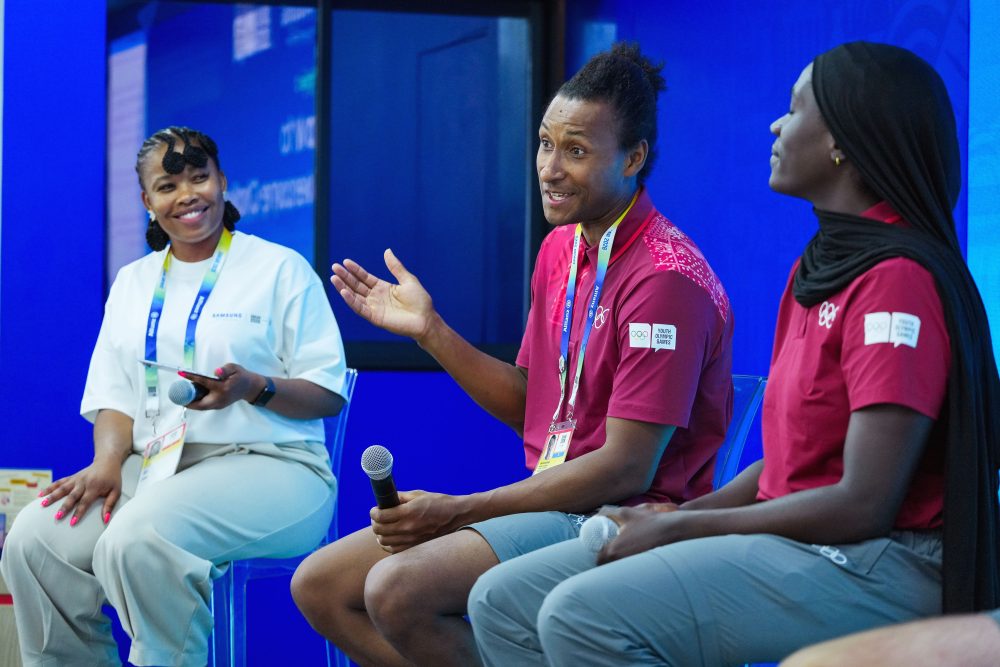
Held on 3 November at the Samsung Open Station inside the Youth Olympic Village, the mentoring session brought together three athletes whose journeys demonstrate that success rarely follows a straightforward path.
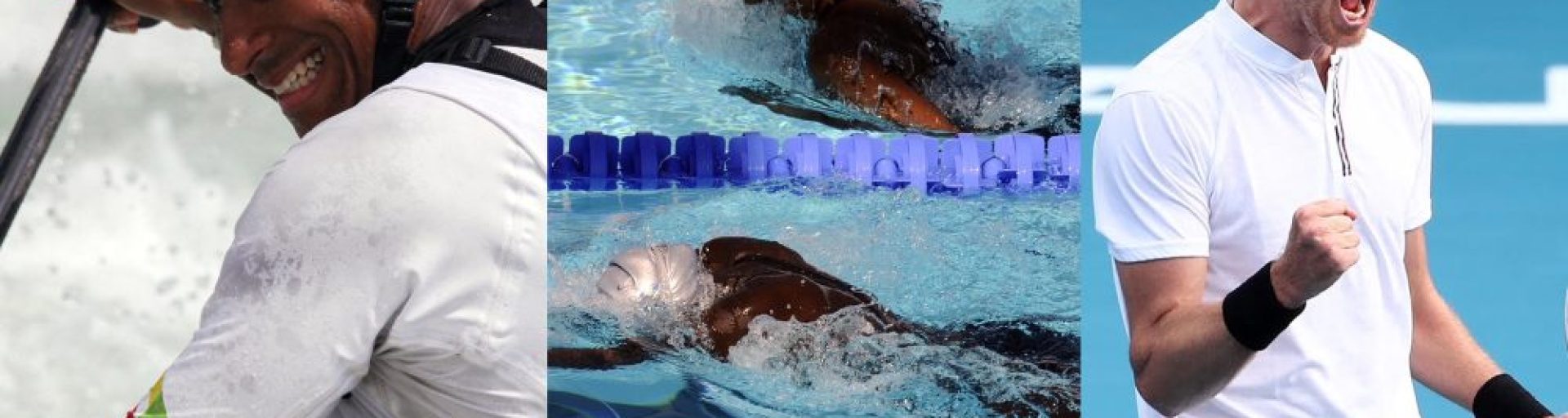
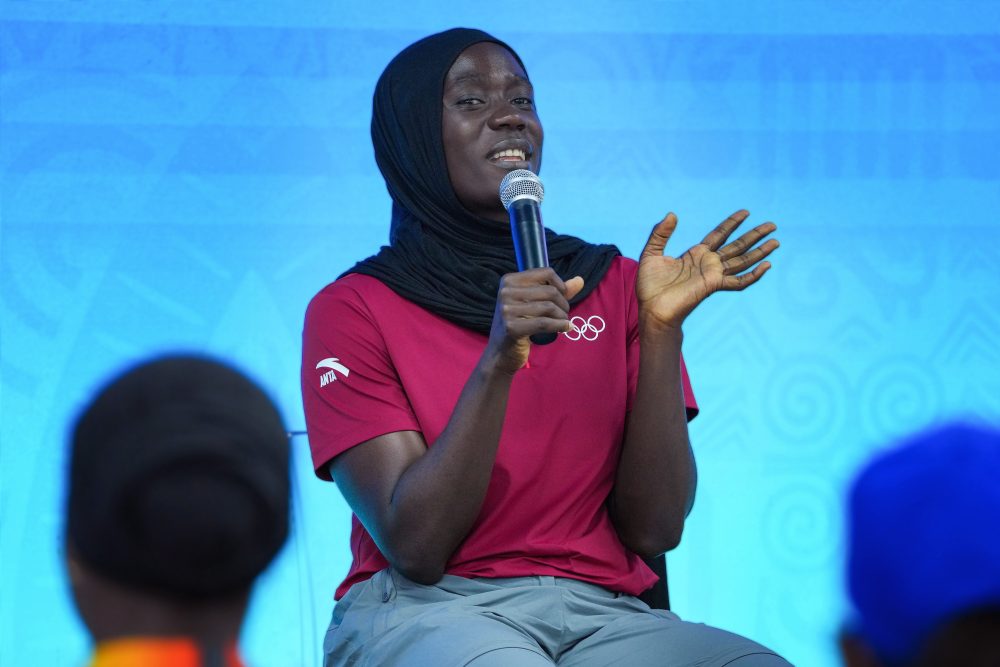
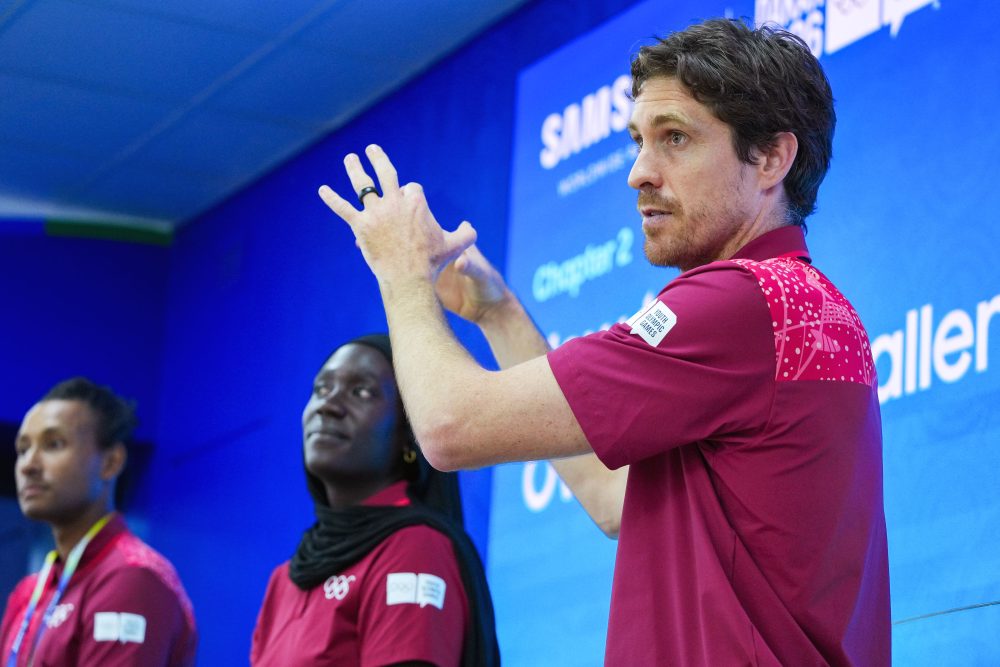
Senegalese canoe slalom Olympian Jean-Pierre Bourhis, Ugandan swimming Olympian Jamila Lunkuse and New Zealand Olympic tennis medallist Marcus Daniell shared personal experiences with 28 young athletes representing 12 countries.
Their conversations explored the realities behind elite sport: difficult decisions, limited resources, mental health challenges, injuries and the importance of finding something meaningful beyond winning.
For Bourhis, the inspiration came in 2008 when Togo’s Benjamin Boukpeti won an Olympic kayaking bronze medal. Seeing an African athlete reach the podium helped him imagine a similar future.
Now, having represented Senegal at Rio 2016 and Tokyo 2020, he wants to make that pathway more accessible to others.
His approach is particularly relevant to African sporting development, where access to facilities and resources can determine whether young talent gets an opportunity to compete internationally.
The Reality Behind the Olympic Dream
While sporting success often looks glamorous from the outside, the mentors offered a more honest picture of what it takes to reach the highest level.
Bourhis explained how the lack of whitewater training facilities in Senegal forced him to establish his training base in France while maintaining a full-time engineering job.
Rather than treating those limitations as reasons to quit, he approached them as problems to solve.
Lunkuse shared a different but equally important lesson. Making her Olympic debut at just 15, she experienced anxiety and pressure when qualifying times began overshadowing her enjoyment of swimming.
Taking time away helped her recognise what she was experiencing and understand the support she needed.
Daniell, meanwhile, reflected on a serious knee injury in 2022 that kept him away from tennis for almost two years.
His experience reinforced the importance of having an identity and purpose beyond professional sport.
Together, their stories delivered an important message to young competitors: resilience isn’t about pretending everything is fine. It is about recognising challenges, asking for help and finding the strength to continue.
Building Opportunities That Outlast Medals
Perhaps the most powerful part of the discussion was the focus on what athletes can contribute once their competitive careers evolve.
Bourhis is working to develop a canoeing ecosystem in Senegal through non-profit initiatives, including locally manufactured canoes that could make the sport more affordable while creating employment opportunities.
Lunkuse continues to contribute through youth coaching and her role on the World Aquatics Athletes’ Committee.
Daniell has also taken his influence beyond tennis through High Impact Athletes, a non-profit connecting professional athletes with charitable causes.
Their work highlights a bigger opportunity for African sport: transforming individual sporting achievements into sustainable community development.
A South African Story of Opportunity and Possibility
The session also carried a meaningful South African connection through its moderator, Lefa Makgato, CSR Manager at Samsung Electronics Africa.
Sharing her own journey, Makgato spoke about growing up in a township and encountering a computer for the first time at 18 through one of Samsung’s Solar Powered Internet Schools.
That opportunity helped open doors to a career in technology and eventually to leading corporate social responsibility programmes across Africa.
Her experience reinforces an important conversation about access to education, digital skills and opportunities for young people who might not otherwise encounter them.
Through initiatives such as Samsung’s Solve for Tomorrow, the company continues to support young people in exploring innovation and developing solutions to real-world challenges.
As Samsung marks another Youth Olympic Games partnership, its Dakar 2026 activities demonstrate how technology, mentorship and access can contribute to a broader youth development conversation.
Ultimately, the next generation needs more than podium finishes. It needs role models, supportive communities and opportunities to explore different possibilities.
Because the medal might mark the end of a competition, but it should never mark the end of someone’s potential.